Will Alabama vs Florida State be suspended? Latest update on weather delay after lightning halts first quarter
Source Entity
Latest News: Todays Latest News Headlines from India & World | Hindustan Times | Hindustan Times
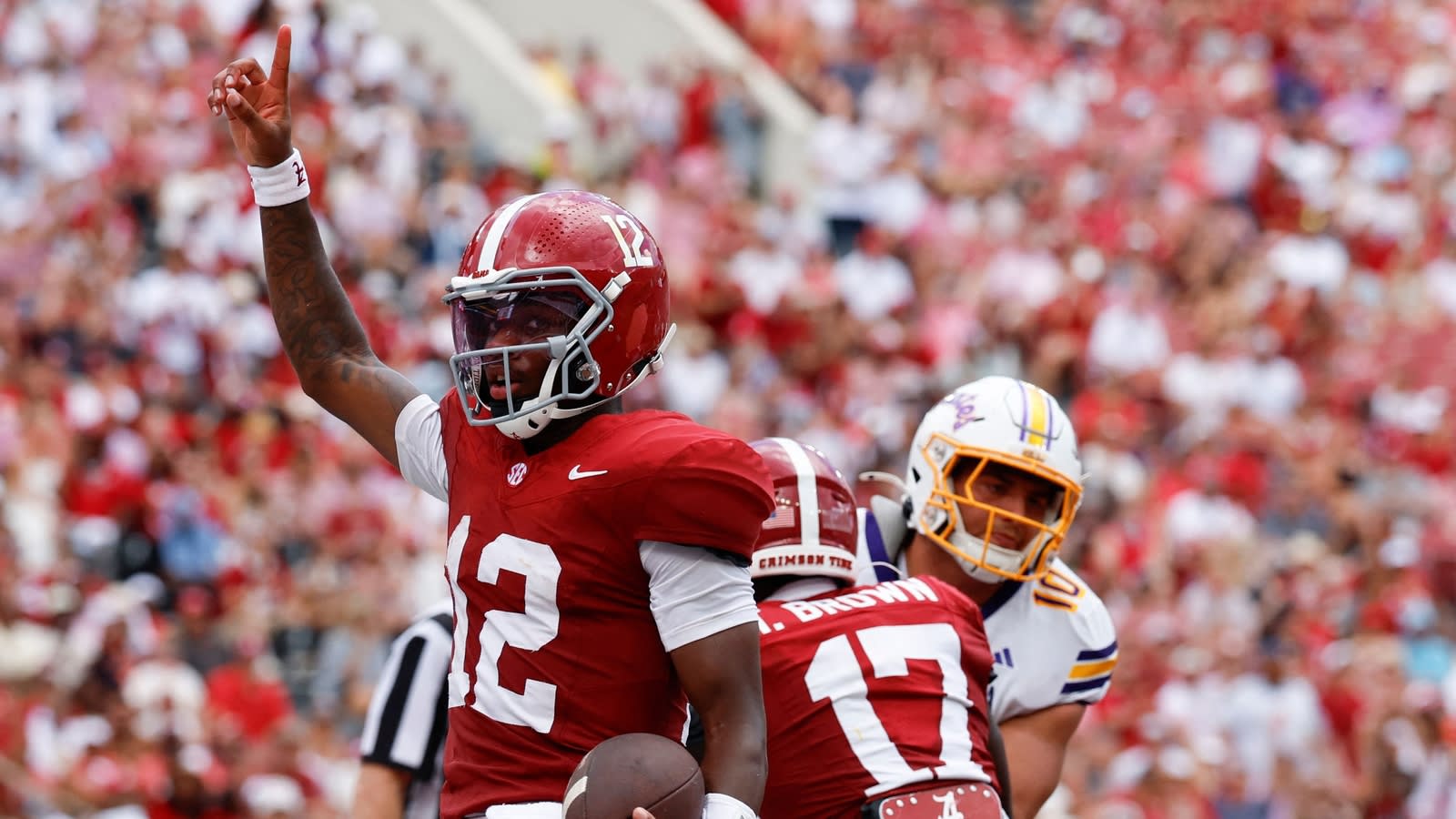
The Alabama-Florida State football game faced significant disruptions due to severe weather and lightning near Bryant-Denny Stadium. Officials implemented multiple delays and eventually removed the halftime break to keep the contest moving.
Weather Disruptions Impact Alabama-Florida State Clash
The highly anticipated matchup between the Alabama Crimson Tide and the Florida State Seminoles at Bryant-Denny Stadium in Tuscaloosa was significantly impacted by volatile weather conditions. Originally scheduled for a 3:30 pm ET kickoff, the event faced an immediate roadblock when lightning was detected within an eight-mile radius of the venue. This triggered mandatory safety protocols, forcing a substantial delay as stadium officials prioritized the safety of student-athletes, staff, and spectators.
The Impact of Lightning Protocols
Athletic departments operate under strict lightning policies, which mandate a 30-minute waiting period every time a strike is detected within a certain distance of the stadium. Alabama insider Nick Kelly provided consistent updates throughout the afternoon, noting that the clock was repeatedly reset as storms lingered in the Tuscaloosa area. This forced the teams to remain in a holding pattern, preventing them from taking the field for warmups until conditions were deemed safe.
Game Progression and Subsequent Pauses
Following an initial delay of nearly two hours, the game finally kicked off at 5:15 pm ET. However, the weather continued to play a disruptive role throughout the evening. Even after the game was underway, officials were forced to pause the action again with minutes remaining in the first quarter. Such interruptions are inherently difficult for players, as maintaining physical and mental readiness during multiple, unpredictable stoppages poses a unique challenge to the flow of competitive football.
Operational Adjustments and Halftime Changes
To mitigate the impact of these extensive delays, the University of Alabama made a critical operational decision: the elimination of the traditional halftime break. By foregoing the standard intermission, officials aimed to ensure the contest reached its conclusion in a timely manner despite the lost time. This rare adjustment highlights the logistical pressure that weather-related delays place on major collegiate sporting events.
Broader Implications for Collegiate Athletics
This event serves as a reminder of the vulnerabilities inherent in outdoor sporting events during the transition seasons when severe weather is common in the Southern United States. The necessity of these delays underscores the priority of safety over scheduling convenience. As the game prepared to resume at 7:02 pm ET following the second-quarter pause, the focus shifted toward the teams' ability to adapt to the disjointed nature of the evening's competition.
Conclusion
The Alabama-Florida State game became a test of endurance for both teams, shaped entirely by the unpredictable nature of the Alabama climate. From the initial pregame delays to the mid-game stoppage and the subsequent removal of halftime, the event demonstrated how institutional safety protocols fundamentally alter the structure of high-stakes college football games.
Verification Required?