Disquiet grows in Albanese’s back yard as Grayndler artists unite against ‘insane’ AI proposal
Source Entity
Caitlin Cassidy
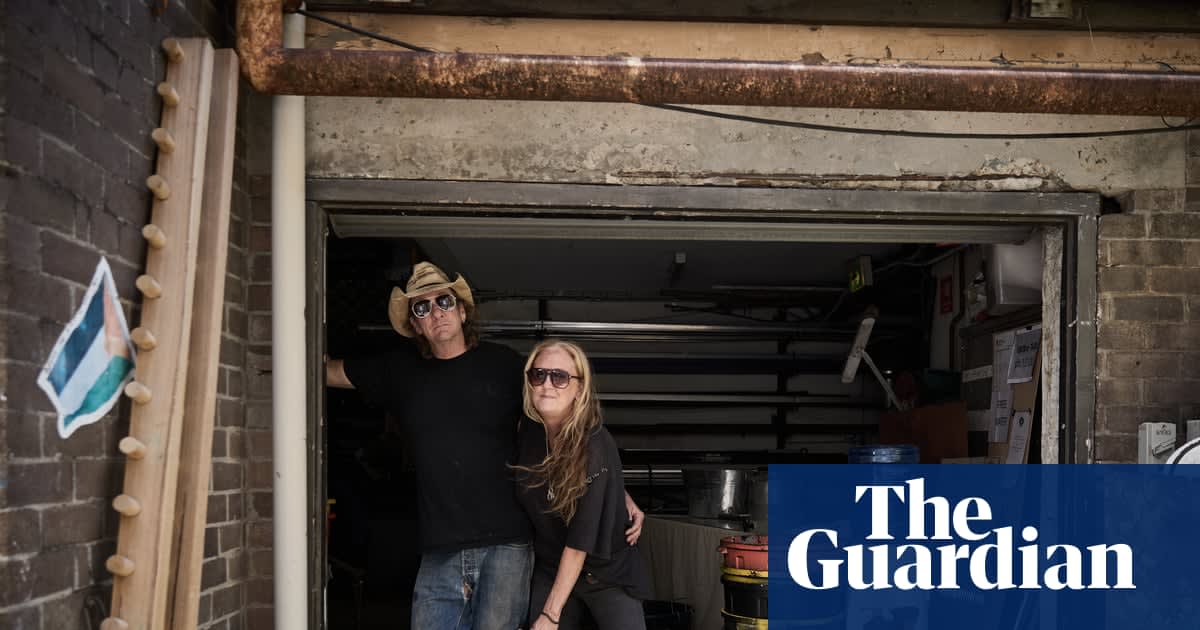
Prime Minister Anthony Albanese is facing backlash in his Grayndler electorate over proposed copyright reforms that could allow AI companies to scrape creative works. Indigenous artists and creatives argue this threatens their intellectual property and cultural heritage.
The Grayndler Creative Crisis: AI Policy Meets Local Discontent
Prime Minister Anthony Albanese finds himself in a politically precarious position within his own electorate of Grayndler, Sydney. Known for its dense concentration of cultural and creative industries—employing 10% of the local workforce compared to the 4.2% national average—this region is now the epicenter of a fierce debate regarding artificial intelligence. The government’s consideration of a policy that would allow AI companies to scrape Australian creative content by default has sparked outrage among local artists who fear the devaluation of their labor.
A Conflict of Interests and Identity
For three decades, Albanese has touted Grayndler’s vibrant music, theatre, and arts scene as a point of pride. However, the current tension suggests a disconnect between the Prime Minister’s national policy aspirations and the existential concerns of his constituents. By pursuing a compromise with US-based tech giants, the Labor government is inadvertently positioning itself against the very demographic that has historically formed the backbone of its inner-west support base.
The Threat to Indigenous Intellectual Property
Beyond the general creative sector, the implications for First Nations artists are profound. Sally Scales, chair of the National Gallery of Australia’s First Nations advisory group, has been vocal in labeling the unauthorized use of Indigenous art as "theft." The concern is not merely economic; it is a matter of cultural integrity. The transformation of complex, meaningful Indigenous art into derivative AI-generated "Temu slop" represents a significant threat to the agency and authenticity of First Nations creators.
The Copyright Conundrum
While the government maintains that there are "no plans to weaken copyright protections," the reality on the ground contradicts this rhetoric. High-profile Australian figures such as Kylie Minogue and Nick Cave have already seen their creative works utilized to train AI models without compensation or consent. This has created a credibility gap for the administration, as the gap between official promises and the technological reality of data scraping continues to widen.
Broader Implications and Future Trends
This issue serves as a microcosm for the global struggle to regulate AI. As governments worldwide attempt to balance the economic benefits of AI innovation with the protection of intellectual property, the Australian experience highlights the specific dangers posed to cultural heritage. If the government proceeds with its proposal, it may set a precedent that prioritizes tech industry expansion over the rights of individual creators, potentially leading to long-term erosion of the Australian cultural landscape.
Conclusion
The path forward for the Albanese government remains fraught with difficulty. To regain the trust of the Grayndler arts community and address the valid concerns of Indigenous leaders, the administration must reconcile its tech-forward policies with robust, enforceable protections for creators. Failure to do so may not only result in political fallout within the Prime Minister’s own backyard but could also lead to a permanent degradation of Australia's unique creative and cultural output.