'Fair of Thugs': BJP poster jab ahead of massive INDIA bloc rally
Source Entity
TRISHA MAHAJAN
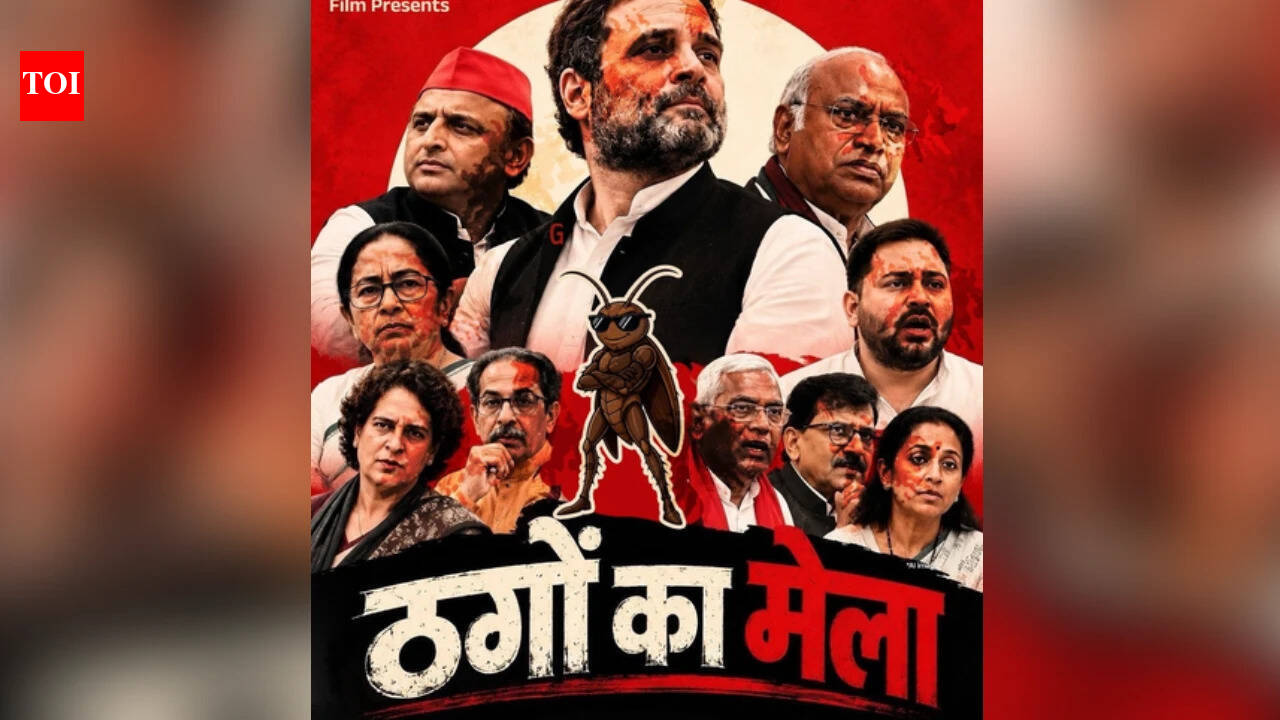
The INDIA bloc has launched a campaign against CEC Gyanesh Kumar, alleging electoral manipulation through voter list deletions. This movement includes a symbolic 'public impeachment' and a major rally in Delhi to demand his resignation.
The INDIA Bloc’s Public Challenge to the Election Commission
In a highly unusual political development, the Indian National Developmental Inclusive Alliance (INDIA) bloc has initiated a 'public impeachment' of Chief Election Commissioner (CEC) Gyanesh Kumar. This symbolic motion, conducted at the residence of Mallikarjun Kharge, signals a significant escalation in the opposition's confrontation with the constitutional body responsible for overseeing the nation’s democratic processes. By formally adopting a motion against the CEC, the opposition seeks to challenge the legitimacy of current electoral management practices.
The Core Allegations and Voter Concerns
The opposition's grievances center on the Special Intensive Revision (SIR) of electoral rolls. During the proceedings, the bloc leveled six specific charges against the CEC, most notably the allegation that approximately 13.2 crore voters were systematically deleted from the rolls. This claim was bolstered by testimonies from voters who reported finding their names missing, which the INDIA bloc characterizes as a calculated effort to manipulate electoral outcomes in favor of the ruling BJP.
Political Tensions and Government Accusations
The narrative promoted by the opposition explicitly links the CEC’s actions to the executive branch, alleging that the Election Commission is functioning at the behest of Prime Minister Narendra Modi and Home Minister Amit Shah. Rahul Gandhi, the Leader of the Opposition in the Lok Sabha, has framed the situation as 'vote chori' (theft). He has further accused the Home Ministry of attempting to obstruct supporters from reaching the capital for the subsequent mega rally at Ramlila Maidan, an assertion that the government has categorically dismissed as a fabrication.
The Strategic Significance of the 'Chalo Dilli' March
The 'Chalo Dilli' march and the subsequent rally at Ramlila Maidan represent a strategic attempt by the INDIA bloc to consolidate its voter base and bring national attention to their claims of electoral malpractice. By moving the discourse from the legislative floor to a public forum, the opposition is attempting to mobilize public sentiment against the Election Commission, effectively transforming institutional criticism into a grassroots protest movement.
Broader Implications for Democratic Institutions
This confrontation highlights a deepening crisis of trust between the opposition and constitutional authorities. Historically, the Election Commission of India has been viewed as a neutral arbiter. However, the current demand for the CEC's resignation suggests that the opposition no longer recognizes the impartiality of the commission. This trend of challenging the integrity of electoral management bodies risks creating long-term instability in how electoral results are perceived by the public, potentially undermining faith in the democratic process itself.
Future Trends and Outlook
As the INDIA bloc continues its campaign, the political landscape is likely to become more polarized. The government's rejection of these claims as 'lies' sets the stage for a prolonged stalemate. If the opposition sustains its momentum, it may force a more rigorous public audit of the voter roll revision process. Conversely, if the allegations fail to gain broader traction, the opposition risks being perceived as undermining constitutional offices for political gain, which could have significant consequences for their electoral standing in future cycles.
Multiple Citing Sources