HT Morning Brief November 1: Oppn's ‘Chalo Dilli’ march today; protests sweep France, Germany and more
Source Entity
Latest News: Todays Latest News Headlines from India & World | Hindustan Times
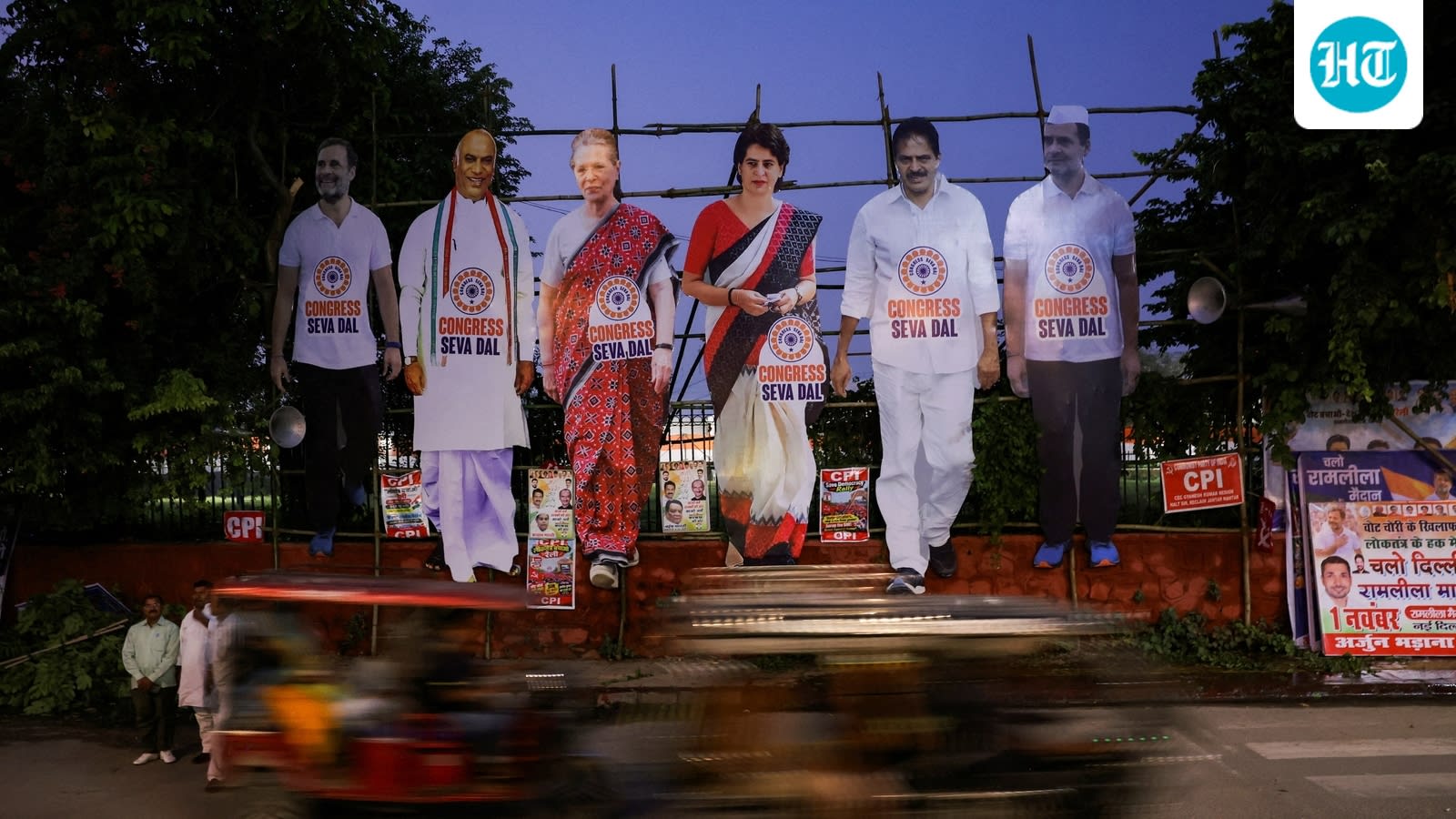
The Delhi Traffic Police has implemented major route diversions and security lockdowns for the INDIA bloc's 'Chalo Dilli' rally at Ramlila Maidan. Over 4,000 security personnel are deployed to manage an expected crowd of 50,000 protesting against electoral roll irregularities.
Massive Security and Traffic Overhaul in Delhi for INDIA Bloc Rally
As the INDIA bloc prepares for its high-profile “Chalo Dilli” rally at Ramlila Maidan, the national capital is bracing for significant logistical and security challenges. The Delhi Traffic Police has issued a comprehensive advisory, signaling that 11 major road stretches will face severe restrictions, with 10 specific diversion points—including critical junctions like ITO A-Point, Delhi Gate, and Rajghat—being activated. These measures, effective from 10 am to 5 pm, reflect the city’s attempt to balance the constitutional right to protest with the necessity of maintaining urban flow in a densely populated central district.
Unprecedented Security Deployment
The scale of the security apparatus is reflective of the political gravity of the event. With over 4,000 police personnel and additional Central Armed Police Forces (CAPF) companies on the ground, the authorities are leaving little to chance. The venue has been strategically partitioned into 14 distinct security zones, monitored by a network of over 200 CCTV cameras. This level of surveillance underscores the high-stakes nature of the gathering, which aims to accommodate an estimated 50,000 supporters arriving from across the country.
The Political Catalyst
At the core of this mass mobilization is a specific set of grievances held by the opposition INDIA bloc. The protesters are voicing sharp criticism regarding the special intensive revision (SIR) of electoral rolls. By organizing this rally, the coalition is aiming to consolidate public opinion against the Election Commission of India, specifically targeting the tenure of Chief Election Commissioner Gyanesh Kumar. The demand for his resignation serves as the central rallying cry, framing the protest as a defense of electoral integrity.
Operational Challenges and Public Impact
The logistical burden of this event extends beyond the immediate vicinity of Ramlila Maidan. With nearly 350 traffic personnel and over 100 home guards tasked with managing the influx, the city’s infrastructure will be under immense strain. The police have emphasized that vehicular movement will be regulated dynamically based on real-time operational requirements, particularly along the Minto Bridge to Ramlila Maidan route. This fluidity suggests that while a plan is in place, the authorities are preparing for the unpredictability inherent in large-scale political demonstrations.
Broader Implications for Democratic Discourse
The "Chalo Dilli" rally represents a significant moment for the opposition’s show of strength. By choosing a historic venue like Ramlila Maidan—a site traditionally associated with major movements in Indian politics—the INDIA bloc is seeking to amplify its narrative on a national stage. The focus on electoral process concerns highlights a growing trend in Indian politics where the mechanism of voting itself is becoming as much a point of contention as the policy platforms of the competing parties.
Future Trends in Political Mobilization
As we look ahead, this event underscores the increasing complexity of organizing large-scale protests in modern urban environments. The integration of high-density surveillance technology with traditional traffic management protocols is likely to become the standard for future political rallies in Delhi. Furthermore, the focus on the Election Commission indicates that future electoral cycles will likely see heightened scrutiny regarding administrative processes, necessitating clear communication between state institutions and political entities to maintain public trust.
Multiple Citing Sources
Verification Required?