Who is Aleksandra Vasilevna Mendoza AKA Alorah Ziva? 18-year-old who sued Clavicular drops sexual assault allegation
Source Entity
Latest News: Todays Latest News Headlines from India & World | Hindustan Times | Hindustan Times
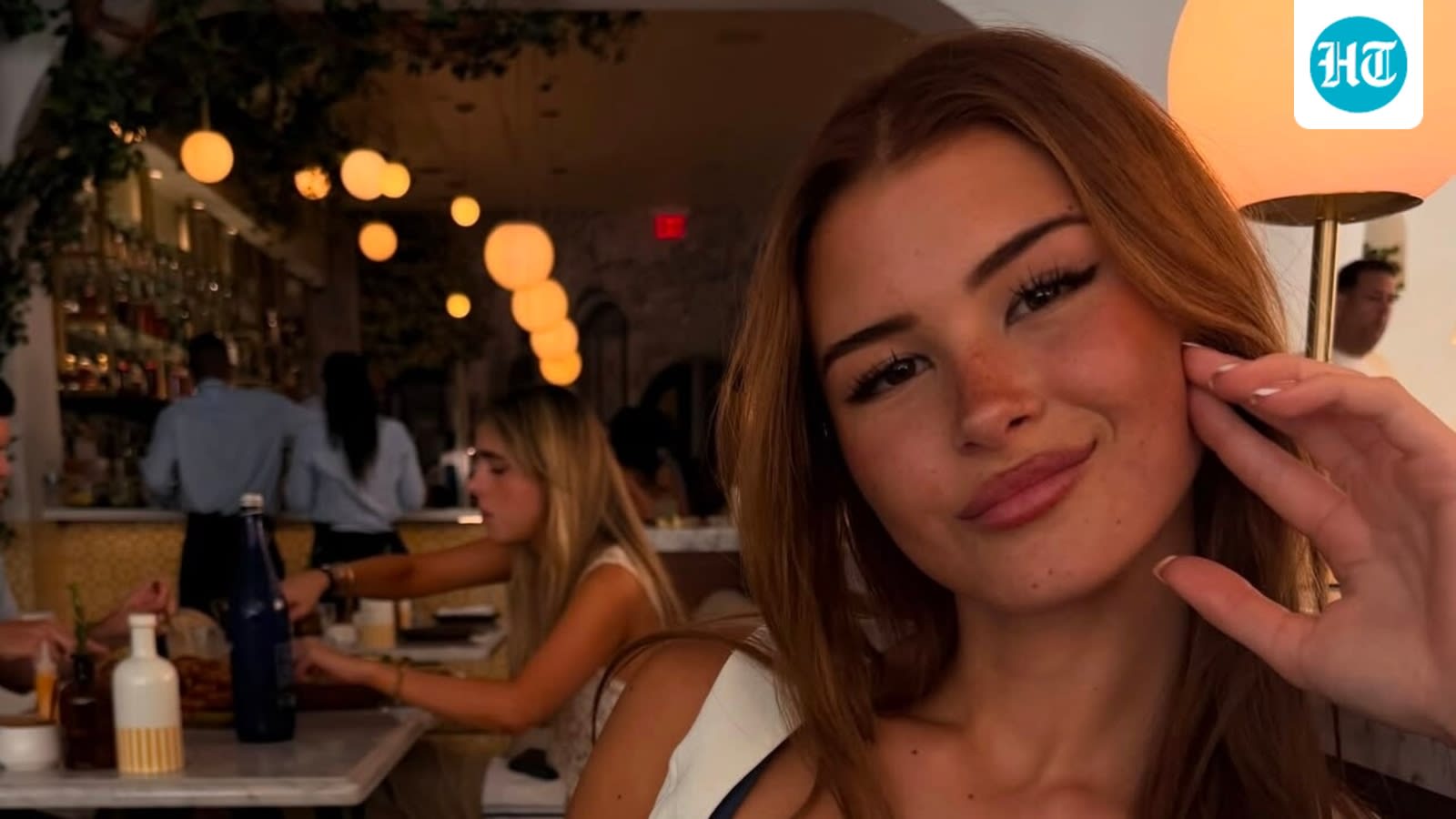
Aleksandra Vasilevna Mendoza has withdrawn the sexual assault count from her Florida civil lawsuit against influencer Braden 'Clavicular' Peters. This decision was made to allow a separate criminal prosecution in Massachusetts to proceed exclusively on those charges. The legal battle highlights the intersection of online influence and serious criminal allegations.
The Legal Evolution of the Mendoza-Peters Case
A Procedural Shift in Litigation
Aleksandra Vasilevna Mendoza, an 18-year-old influencer recognized in digital spaces as Alorah or Alorah Ziva, has officially amended her civil lawsuit against Braden Peters, the influencer popularly known as 'Clavicular.' The most significant development in this legal saga is the formal withdrawal of the sexual assault count from the civil complaint filed in Florida. This move marks a pivot in how the allegations against the 'looksmaxxing' influencer are being handled within the American judicial system.
The Role of Jurisdictional Strategy
According to legal counsel for Mendoza, the decision to remove the sexual assault allegation from the Florida civil suit was a strategic choice rather than a reflection of the case's merit. By focusing the civil proceedings on other aspects of the dispute while allowing the Massachusetts criminal prosecution to take precedence, the legal team is avoiding procedural overlaps. This is a common tactical maneuver in high-profile cases where both civil and criminal venues are engaged, ensuring that evidence and testimony are handled appropriately within the criminal justice framework.
The Intersection of Influencer Culture and Accountability
The case has drawn significant attention due to the public-facing nature of both parties. Braden Peters, known for the 'looksmaxxing' subculture—a niche community focused on physical self-improvement—represents a modern intersection of digital influence and personal accountability. When such figures face serious allegations, the public discourse often blurs the line between personal reputation and legal reality, making the adherence to formal court proceedings essential for a fair outcome.
Understanding the Massachusetts Criminal Prosecution
While the Florida civil case continues in a modified form, the core of the allegations regarding sexual assault is now being funneled through the Massachusetts criminal justice system. Criminal prosecutions carry a higher burden of proof—'beyond a reasonable doubt'—compared to the 'preponderance of evidence' standard required in civil litigation. This transition signifies that the state has deemed the allegations substantial enough to warrant a criminal trial, which carries more severe potential consequences for the defendant.
Broader Implications for Digital Creators
This situation serves as a cautionary tale for the burgeoning influencer economy. As digital creators build platforms and gather followings, their personal lives and private actions are increasingly subject to public scrutiny and legal intervention. The transition of these allegations from social media discourse to formal courtrooms in multiple states underscores a growing trend where online behavior and alleged private misconduct are treated with the full weight of the law, regardless of the individual's online status or niche following.
Future Trends in Legal Resolution
Looking ahead, the resolution of the Massachusetts criminal case will likely set the tone for any future civil litigation. Should the prosecution succeed in securing a conviction, it would significantly bolster the legal standing of the plaintiff in civil matters. Conversely, a failure to secure a conviction would force a re-evaluation of the civil claims. The legal community will be watching closely as these dual-track proceedings unfold, as they represent the complexities of modern litigation involving public figures across state lines.
Verification Required?