Why do Bengali women wear white sarees with red borders during sindoor khela? The history and symbolism behind the tradition
Source Entity
Latest News: Todays Latest News Headlines from India & World | Hindustan Times | Hindustan Times
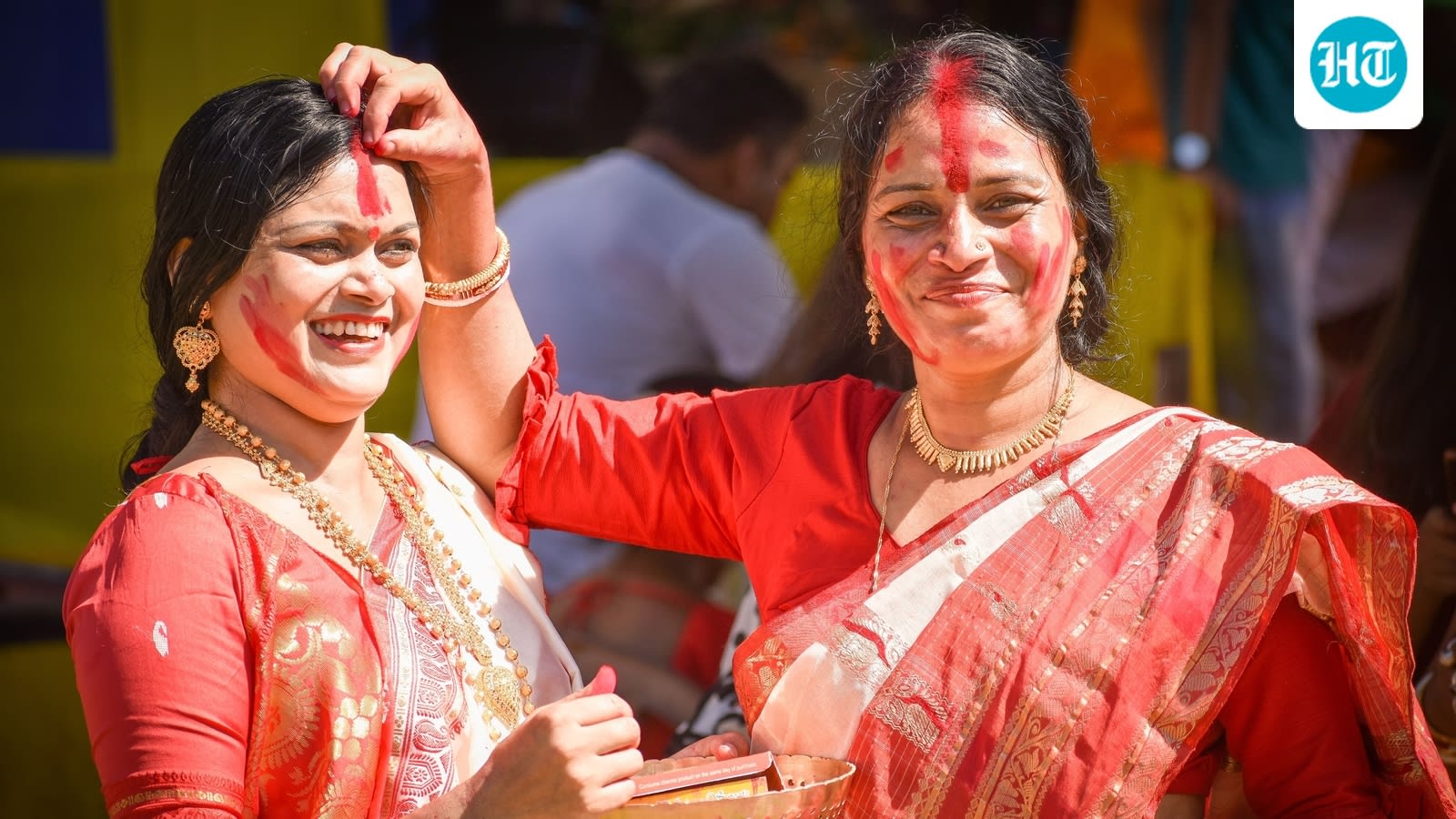
The tradition of wearing white sarees with red borders during Sindoor Khela reflects deep-rooted Bengali cultural history and symbolism. This attire is integral to the visual identity of Durga Puja, representing traditional ideals of womanhood passed down through generations.
The Cultural Significance of the White and Red Saree
The image of Bengali women adorned in white sarees with striking red borders during the ritual of Sindoor Khela is perhaps one of the most iconic visual representations of Durga Puja. This sartorial choice is far from a mere aesthetic preference; it is a profound expression of Bengali identity, history, and the intricate social fabric that defines the region's most significant religious festival.
Historical Context and Symbolism
As noted by historian Saru Subba, the white saree with a red border is deeply connected to Bengal’s cultural history and traditional concepts of womanhood. In the context of Bengali social life, colors are rarely neutral; they carry specific meanings that have been carefully curated and transmitted through generations. The white fabric signifies purity and simplicity, while the bold red border—often associated with the vermillion (sindoor) used during the ritual—symbolizes fertility, auspiciousness, and the divine energy of Goddess Durga herself.
The Visual Language of Durga Puja
During Sindoor Khela, which takes place on Vijayadashami, the visual language of the festival reaches its zenith. The interplay between the white cloth and the vibrant red vermillion creates a striking visual contrast that aligns with the celebratory yet solemn nature of the deity's departure. This attire functions as a uniform of devotion, allowing participants to visually participate in the narrative of the Goddess, who is believed to be returning to her husband, Lord Shiva, after her victory over evil.
Socio-Cultural Implications
Beyond the ritualistic aspect, the tradition highlights how textiles and religious practices became inextricably linked in Bengali society. The saree is not just clothing; it is a medium through which women express their connection to their heritage. By donning this specific ensemble, women reinforce their role in maintaining cultural continuity, ensuring that traditional practices remain vibrant and recognizable in an increasingly modern world.
Future Trends and Preservation
As global interest in Durga Puja grows, the iconic white-and-red saree continues to serve as a beacon of cultural pride. While fashion trends may evolve, the adherence to this specific color palette during Sindoor Khela suggests a resilient commitment to tradition. Future generations are likely to continue this practice, as it serves as a tangible link to the past, grounding the modern festive experience in the rich, historical tapestry of Bengal.
Conclusion
In conclusion, the white saree with a red border is an essential component of the Sindoor Khela experience. It encapsulates the historical, religious, and social values of the Bengali community, serving as a powerful symbol of womanhood and devotion. By understanding the deeper meaning behind these colors, one gains a greater appreciation for the complexity and beauty of Durga Puja traditions.
Verification Required?