Father battling cancer, village without a doctor: How Alik beat the odds to crack NEET
Source Entity
Deepto Banerjee
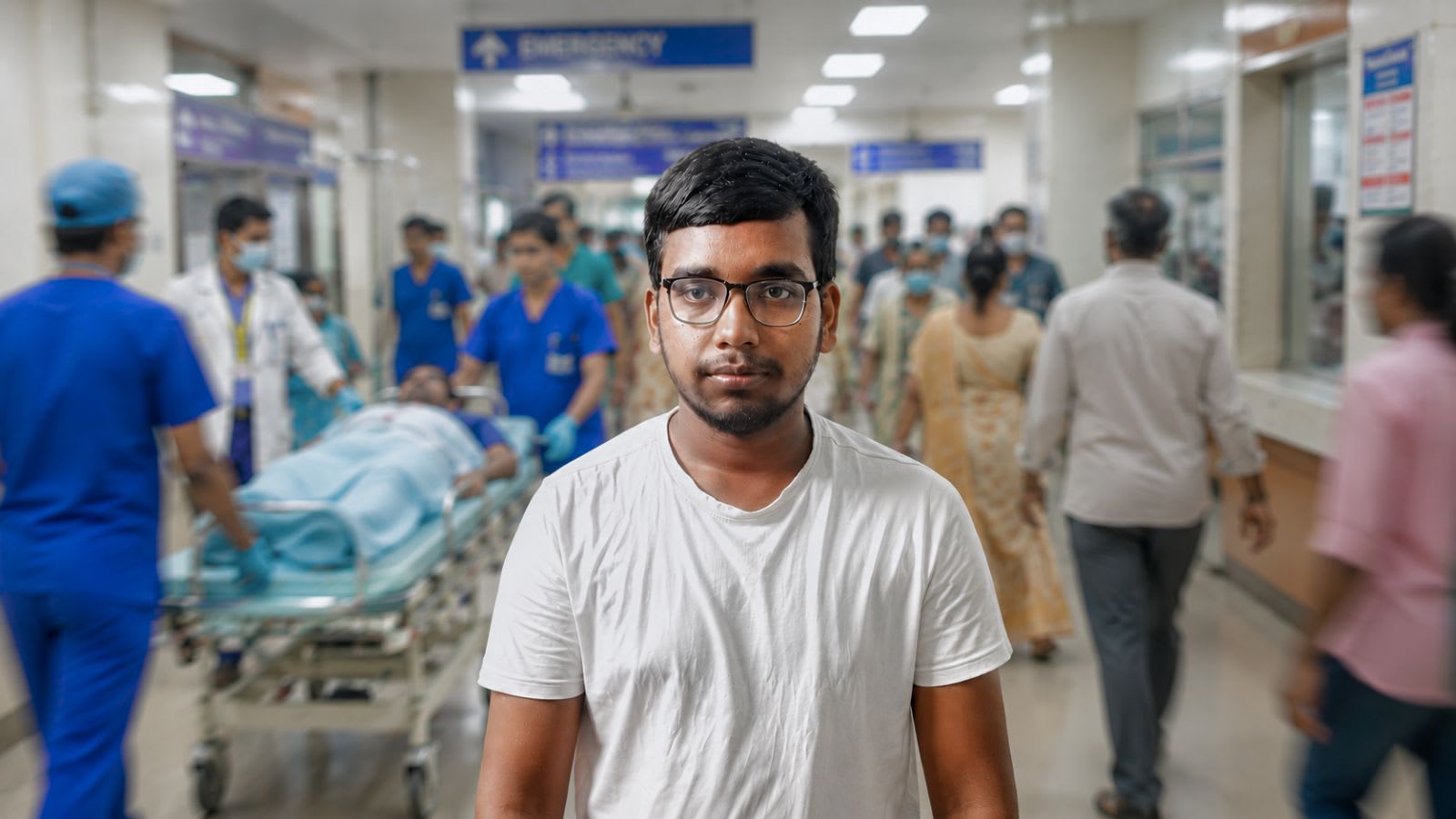
Alik Mandal, a student from a doctor-less village in West Bengal, overcame his father's cancer battle and financial hardship to clear the NEET exam. Scoring 573 marks, he secured a significant jump in rank and now aims for Medical College Kolkata to balance his medical career with family care.
A Triumph Over Adversity: The Journey of Alik Mandal
The story of Alik Mandal, a student from the village of Shantipur in West Bengal’s Nadia district, serves as a poignant reminder of the grit required to navigate the Indian medical education system. Facing the dual challenges of a lack of local healthcare infrastructure and a personal family crisis, Mandal’s success in the National Eligibility cum Entrance Test (NEET) highlights the resilience of students from rural backgrounds who must often balance intense academic rigor with manual labor and caregiving responsibilities.
The Catalyst of Necessity
For many students in rural India, the motivation to pursue medicine is not merely professional ambition but a response to systemic neglect. The absence of a single doctor in Mandal’s home village acted as the primary driver for his academic journey. This scarcity of medical resources turned his education into a mission; his decision to study was not just for personal gain, but a direct reaction to the observation that his community was left without basic medical access.
Balancing Farm Work and Academic Rigor
Preparing for an examination as competitive as NEET requires undivided focus, yet Mandal’s reality was defined by constant interruption. He spent his days oscillating between the demands of farm labor, necessary for his family’s survival, and the complex chapters of biology, physics, and chemistry. This intersection of manual labor and high-stakes study is a reality for many students in West Bengal’s government schools, where resources are often limited, and the burden of household responsibilities remains high.
Navigating Personal Tragedy
Perhaps the most daunting hurdle was his father’s battle with blood cancer. While his peers were likely focusing solely on mock tests and revision, Mandal was spending time in hospital corridors. This emotional and logistical strain makes his jump from 410 marks in his first attempt to 573 marks this year—an improvement that moved his rank from 1,91,900 to 21,801—even more remarkable. The ability to maintain cognitive performance while managing the trauma of a parent’s illness is a testament to his exceptional psychological endurance.
Future Trends in Rural Healthcare Access
By choosing Medical College Kolkata, Mandal is making a pragmatic decision rooted in familial duty rather than just prestige. His desire to remain close to his father during ongoing cancer treatment reflects a growing trend where students from underserved regions prioritize institutions that allow them to sustain their support systems at home. This trajectory suggests that if India aims to fill the medical gaps in its rural villages, it must continue to support students who have the intrinsic motivation to serve their communities but lack the financial and emotional safety nets of their urban counterparts.
Conclusion
Alik Mandal’s achievement is more than a statistic; it is a narrative of breaking cycles of deprivation. His success highlights the critical need for better educational support in rural West Bengal and the importance of recognizing the unique obstacles faced by students who carry the weight of their families' health and economic stability while striving for academic excellence.