Kapil Sibal seeks SC intervention over ‘bulk deletions’ from voters’ lists
Source Entity
India Latest News: Top National Headlines Today & Breaking News | The Hindu
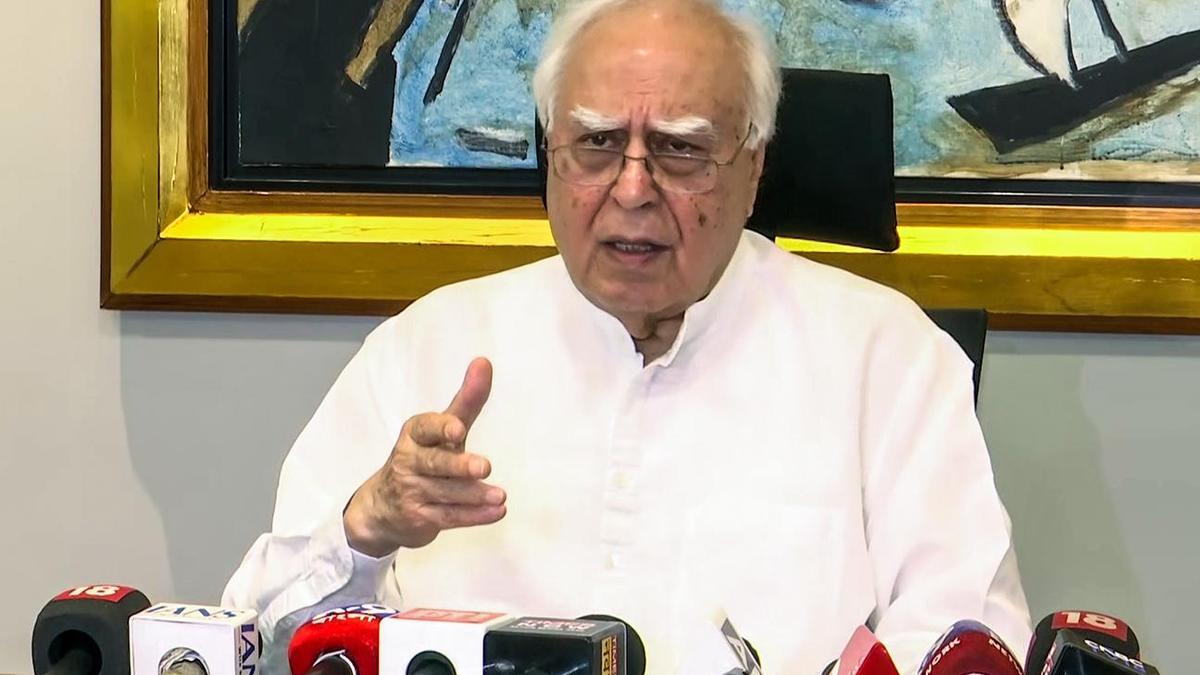
The Congress has alleged widespread voter roll manipulation by the BJP in Maharashtra and Jharkhand during the Special Intensive Revision process. Reports indicate systematic attempts to delete names of minority voters, prompting resistance from local election officials.
Allegations of Electoral Roll Manipulation: A Deep Dive
The integrity of the electoral process in India faces renewed scrutiny following allegations from the Congress party regarding the Special Intensive Revision (SIR) of electoral rolls in Maharashtra and Jharkhand. The core of the controversy involves the systemic deletion of millions of names from draft electoral rolls, which opposition leaders argue is a deliberate strategy to tilt election outcomes in favor of the Bharatiya Janata Party (BJP).
The Maharashtra Context
In Maharashtra, the scale of the issue is particularly alarming, with the Congress flagging the exclusion of 2.06 crore names from the draft rolls published on August 31, 2026. This represents the largest absolute number of deletions in the current phase of the SIR. The party has linked these findings to previous complaints filed after the 2024 Maharashtra elections, where they alleged the use of forged documentation—including mismatched Aadhaar cards—to introduce fictitious voters into the system.
Patterns in Jharkhand's Godda District
Simultaneously, in the Godda district of Jharkhand, a disturbing pattern has emerged. Booth Level Officers (BLOs) have reported that BJP Booth Level Agents (BLAs) are submitting large volumes of Form 7 applications, which are used to request the deletion of names from electoral rolls. Crucially, these requests disproportionately target voters from minority communities. The BLOs, who are government employees, have raised red flags, noting that many of these forms were procedurally incorrect and did not meet the legal standards required for processing.
Legal Framework and Accountability
Under Section 22 of the Representation of the People (RP) Act, 1950, Electoral Registration Officers (EROs) hold the mandate to manage deletions and corrections. The law explicitly requires that any deletion must be preceded by a formal inquiry, providing the affected elector a fair opportunity to respond before a final order is passed. The rejection of improperly formatted forms by BLOs in Godda highlights the necessity of this procedural safeguard in preventing disenfranchisement.
Historical Precedents and Broader Implications
The Congress has pointed to historical data from West Bengal, where 91% of names previously struck off during an SIR were later reinstated after appeals. This suggests that without rigorous oversight, administrative errors—or intentional manipulation—can lead to the mass disenfranchisement of legitimate voters. The current situation in Maharashtra and Jharkhand serves as a critical test for the Election Commission of India (ECI) to maintain public trust.
Future Trends and Conclusion
As India continues its electoral cycles, the reliance on digital databases like Aadhaar for voter verification will remain a flashpoint for political debate. The trend of political parties micro-managing voter lists through BLAs suggests a shift toward hyper-local electoral warfare. Moving forward, the ECI must ensure that the SIR process is not only transparent but also resilient against partisan interference, as the disenfranchisement of any segment of the population undermines the democratic foundation of the nation.
Verification Required?