A more cautious BJP? What recent political shifts suggest
Source Entity
Liz Mathew
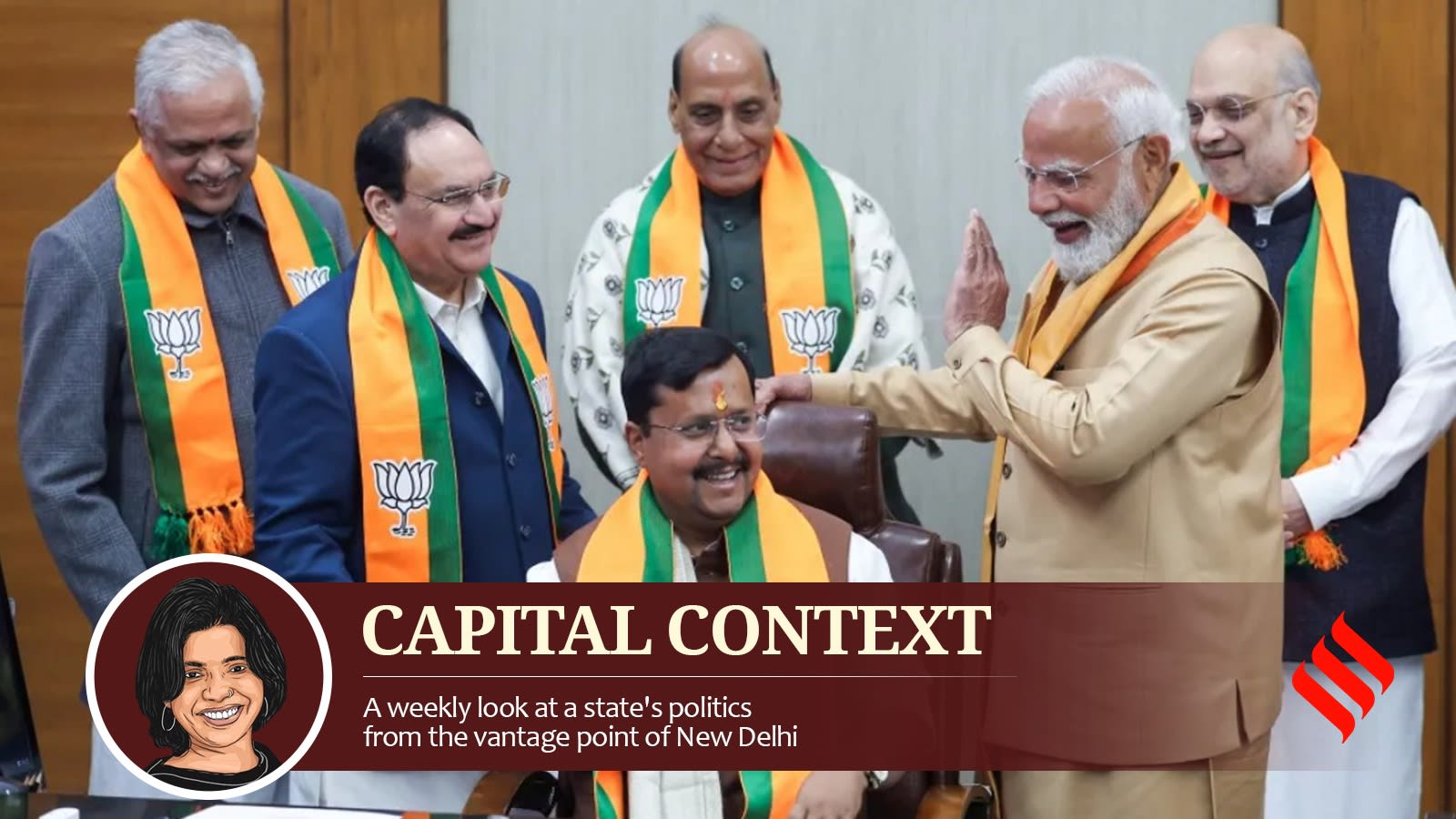
The BJP is exhibiting a shift toward cautious governance following recent public protests, marking a departure from its previously decisive legislative style. This trend of political calibration is visible in both central policy delays and proactive corrective measures taken by state governments.
The Shift Toward Political Caution in the BJP
For over a decade, the Bharatiya Janata Party (BJP) has defined its governance style through bold, decisive legislative actions—most notably the abrogation of Article 370 and the implementation of the Citizenship Amendment Act (CAA). However, recent events suggest a significant pivot in strategy. Following the Jantar Mantar protests in July, which resulted in the first resignation of a Union Minister under public pressure in 12 years, the party’s trademark decisiveness has been replaced by a more calculated, cautious approach to governance.
The Impact of Public Pressure on Governance
The resignation of a Union Minister serves as a critical inflection point, signaling that the current political environment is increasingly sensitive to public dissent. This event appears to have disrupted the BJP's established momentum, forcing a recalibration of their political agenda. The party, which once thrived on pushing through controversial reforms with speed, now finds itself operating under a lens of scrutiny that necessitates a more defensive posture.
Legislative Stagnation and Strategic Delay
This newfound tentativeness is most visible in the government's legislative agenda. Several items that were previously considered priorities have been held back, suggesting that the party is no longer willing to risk the political capital required to force through polarizing legislation. By pausing these initiatives, the BJP is likely attempting to avoid further mobilization of opposition groups and to prevent the recurrence of the large-scale protests that characterized the summer months.
Corrective Measures at the State Level
The shift in strategy is not confined to the central government; state-level administrations are also adjusting their tactics to mitigate potential unrest. Recognizing that regional dissatisfaction can quickly escalate into national political liabilities, BJP-led state governments are proactively implementing corrective measures. A prime example is the Rajasthan government under Bhajan Lal Sharma, which announced a comprehensive three-year roadmap on August 21, aimed at stabilizing the state’s political and economic climate.
Future Implications and Political Trends
Looking ahead, this trend of 'calibration under pressure' is likely to continue as the party navigates a more complex political landscape. The BJP is currently balancing the need to maintain its ideological base with the practical necessity of avoiding optics that suggest government instability. As the party moves forward, the primary challenge will be to reconcile this newfound caution with its reputation as a party of decisive action, potentially leading to a more moderate or consensus-based governance style in the near future.
Conclusion
In summary, the BJP is currently undergoing a period of strategic reassessment. The transition from a policy-first, rapid-deployment model to one of careful political calibration indicates that the party is acutely aware of the shifting sentiments among the electorate. Whether this caution is a temporary response to recent pressures or the start of a long-term evolution in the party's governing philosophy remains to be seen.