SIR: Automated system flags ‘unusual’ age gaps, family links
Source Entity
Latest News: Todays Latest News Headlines from India & World | Hindustan Times | Hindustan Times
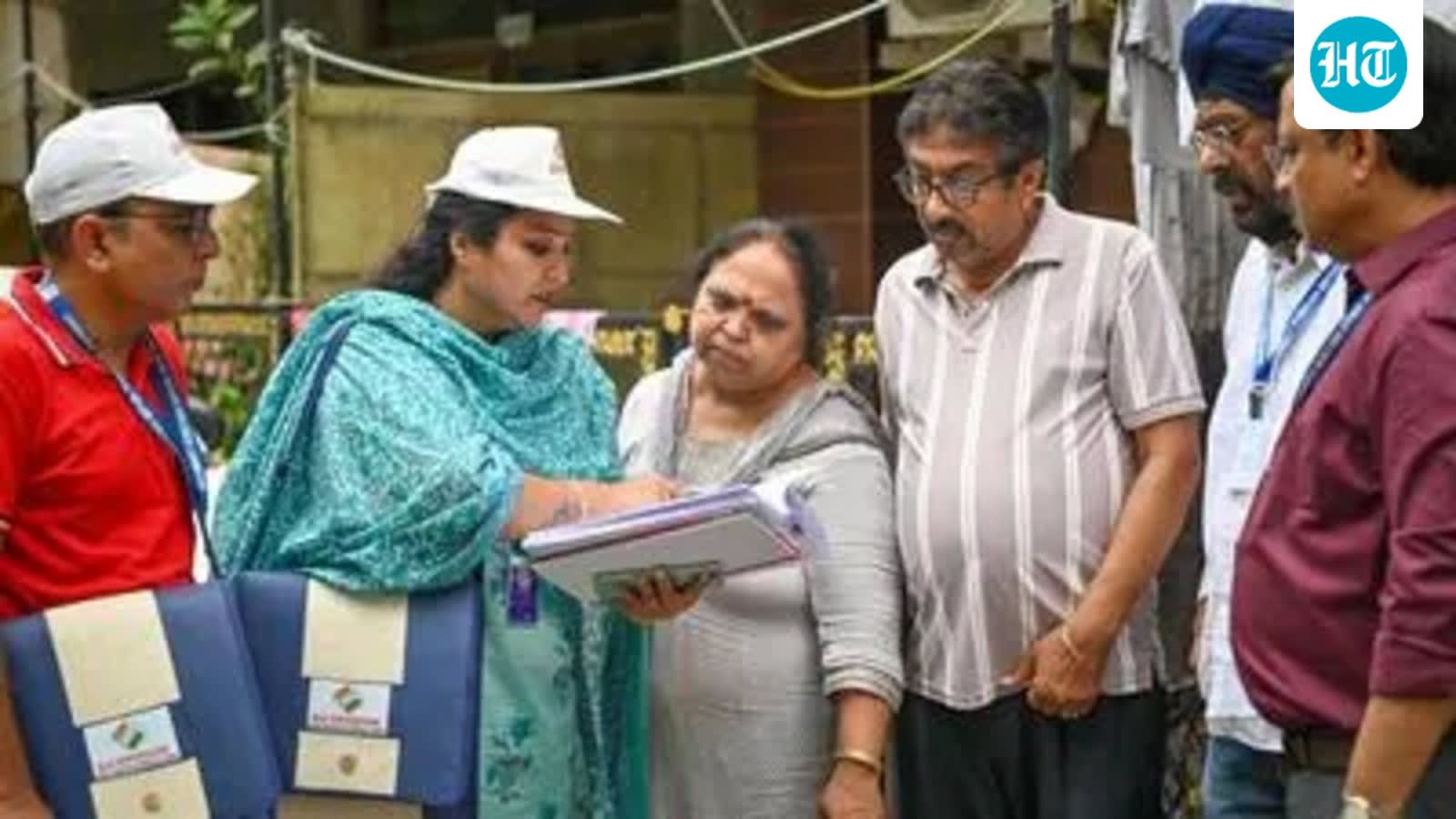
The Election Commission of India has flagged 3.3 million Delhi voters for discrepancies during its Special Intensive Revision exercise. Officials are issuing notices to these voters to verify their eligibility and resolve data inconsistencies.
Integrity of the Electoral Roll: The Delhi Special Intensive Revision
The Election Commission of India (ECI) has initiated a critical phase in the electoral process for the National Capital Territory of Delhi, following the publication of draft rolls under the Special Intensive Revision (SIR) exercise. As part of this comprehensive administrative undertaking, approximately 3.3 million voters have been identified for further scrutiny due to data discrepancies. This process serves as a vital safeguard for the democratic infrastructure, ensuring that the electoral database remains accurate, transparent, and reflective of the ground reality of the electorate.
Understanding the Discrepancy Breakdown
The identified 3.3 million cases are bifurcated into two primary categories that highlight the challenges of digitizing massive demographic datasets. First, approximately 1.9 million voters have been flagged for 'logical discrepancies,' which refers to entries that appear inconsistent when measured against existing database constraints. Second, 1.4 million voters could not be successfully mapped to the 2002 electoral rolls, suggesting a significant gap in historical data continuity. These figures, while substantial, are currently at a draft stage and remain subject to change as the ECI navigates the claims and objections process.
The Role of Automated Scrutiny
The ECI has employed an automated system to scrutinize digitized forms, which has produced some anomalous flags. Examples cited include instances of unusual age gaps between parents and children—such as a 38-year-old father with a 26-year-old son—or cases where multiple births appear to occur within biologically improbable timeframes. While these flags generate high numbers, officials have emphasized that a 'flag' does not equate to a 'mistake.' The system is designed to prioritize caution, flagging any entry that deviates from standard statistical patterns so that human oversight can verify the legitimacy of the information.
Implications for Voter Eligibility
The core objective of this exercise is not to disenfranchise voters, but to ensure that every individual listed in the final electoral roll is a legitimate, eligible citizen. Voters flagged by the system will be required to provide supporting documentation or clarification to establish their status. This administrative verification is a routine yet essential part of maintaining the sanctity of the electoral process, especially in a densely populated and highly mobile urban environment like Delhi.
Future Trends and Administrative Accuracy
Moving forward, the ECI’s reliance on automated systems for error detection is likely to become more sophisticated. By flagging inconsistencies early, the Commission aims to reduce the margin of error in future elections. While the current SIR exercise highlights the complexities of updating legacy records, it also underscores the commitment to technological integration in electoral management. The success of this revision will depend on the proactive cooperation of the public during the claims and objections window, ultimately leading to a more robust and reliable electoral roll for the national capital.
Multiple Citing Sources
Verification Required?