UDF aiding saffronisation of higher education: R. Bindu
Source Entity
India Latest News: Top National Headlines Today & Breaking News | The Hindu
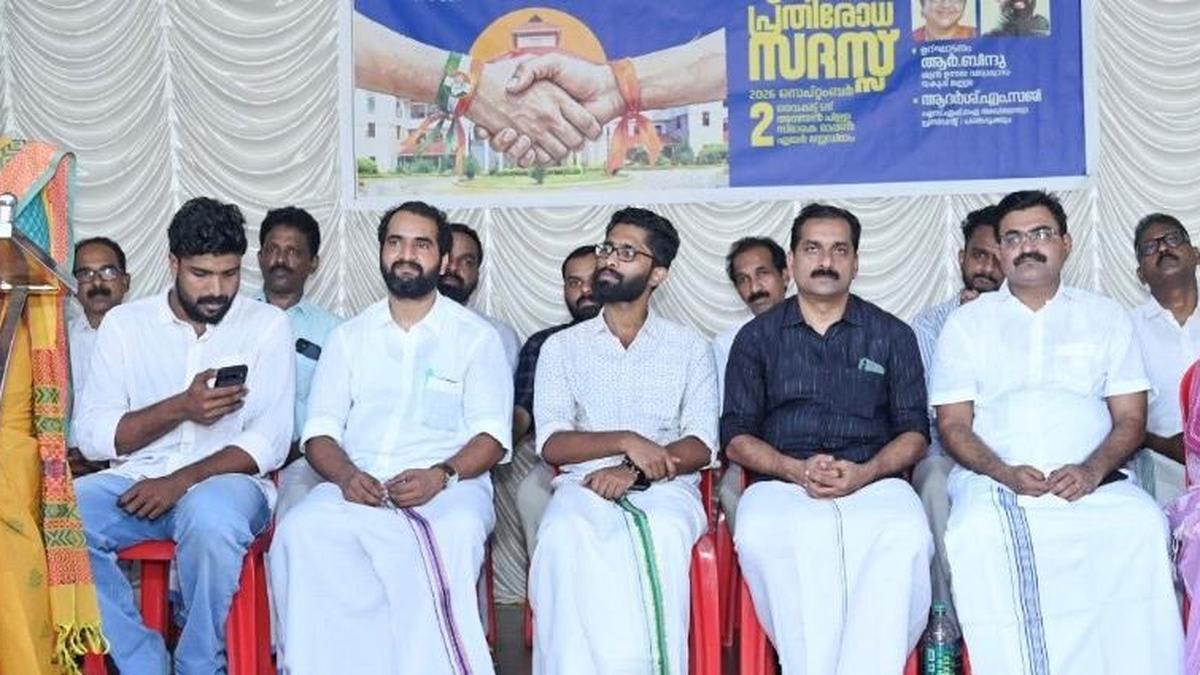
A political debate has emerged in Kerala regarding the rendition of Vande Mataram at official events. Former Minister R. Bindu accuses the UDF of compromising with the Sangh Parivar, while CM V.D. Satheesan defends the adherence to Central protocol during high-level visits.
The Vande Mataram Protocol Dispute in Kerala
The political landscape in Kerala is currently witnessing a heated debate over the rendition of the national song, Vande Mataram, during official state functions. Former Minister for Higher Education, R. Bindu, has leveled serious allegations against the United Democratic Front (UDF) government, accusing it of facilitating the 'saffronisation' of the higher education sector. This friction stems from the government's insistence on performing the full rendition of the song, a move Bindu interprets as a concession to the ideological interests of the Sangh Parivar.
The Intersection of Protocol and Ideology
At the heart of this controversy is the interpretation of official protocols governing state events. R. Bindu argues that the government’s insistence on the full rendition of Vande Mataram—as required when the Governor is in attendance—is a misinterpretation of existing guidelines. She suggests that the UDF administration, under Higher Education Minister Roji M. John, has signaled a lack of resistance toward the Sangh Parivar’s influence within state universities, potentially destabilizing academic autonomy.
Government Justification and Central Mandates
Responding to these allegations, Chief Minister V.D. Satheesan has taken a pragmatic stance, emphasizing the constitutional and administrative obligations of the state. During a press conference in Thiruvananthapuram, Satheesan clarified that the state government is legally bound to follow Central protocols whenever high-ranking dignitaries, such as the President, Vice-President, or Prime Minister, are present. He underscored that these actions are matters of administrative compliance rather than ideological capitulation.
Distinguishing Policy from Allegiance
To address the criticism, the Chief Minister highlighted that the government’s ideological stance remains distinct from its protocol-bound duties. He pointed to the recent Independence Day celebrations, where the state opted to sing only two stanzas of Vande Mataram, as proof that the Congress and the current administration maintain a specific, localized policy regarding the song. This distinction is vital, as it frames the current dispute not as a shift in values, but as a adherence to the hierarchy of official state functions.
Broader Implications for Higher Education
The rhetoric used by R. Bindu at the Sanskrit University Samrakshana Samithi meeting reflects a deeper anxiety regarding the political control of educational institutions. By linking the rendition of Vande Mataram to the broader theme of 'saffronisation,' the opposition is framing administrative decisions as existential threats to the cultural and academic character of Kerala's universities. This narrative suggests that the battle over symbols is, in reality, a battle for the intellectual independence of the state's academic sphere.
Future Trends in State-Center Relations
As the debate continues, it highlights the increasing tension between state-level autonomy and federal protocols. The question posed by Chief Minister Satheesan—whether the state should exclude national leaders from cultural festivals like Onam simply to avoid protocol-related controversies—points to a strategic dilemma. Moving forward, the Kerala government will likely continue to face pressure to balance its regional political identity with the operational requirements of hosting national figures, making such disputes a recurring feature of the state's political discourse.
Multiple Citing Sources
Verification Required?