Range Rover’s new EV looks just like a regular Range Rover — that’s refreshing
Source Entity
Andrew J. Hawkins
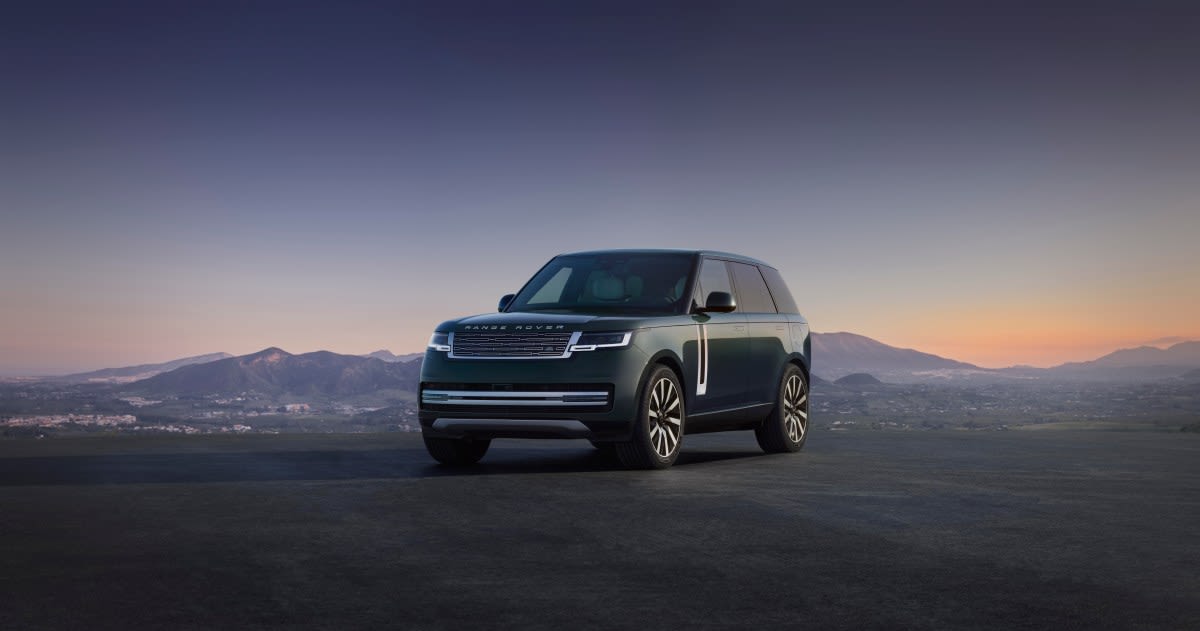
Range Rover is shifting its design strategy for the upcoming electric model by maintaining the iconic silhouette of its gas-powered SUVs. This approach prioritizes brand familiarity while integrating advanced electric powertrain technology.
The Evolution of Luxury EV Design
Range Rover’s recent decision to maintain its traditional aesthetic for its upcoming electric vehicle (EV) represents a significant shift in automotive design philosophy. For years, the industry trend dictated that electric vehicles should look distinctively 'futuristic' or aerodynamic to emphasize their non-combustion nature, often resulting in unconventional, pod-like shapes. By choosing to retain the classic, rugged, and boxy silhouette of its internal combustion engine (ICE) lineup, Range Rover is betting that luxury consumers prioritize brand identity and timeless design over radical visual departures.
Prioritizing Brand Continuity
The strategic choice to avoid a 'spaceship' aesthetic is a calculated move to preserve the Range Rover brand's heritage. The vehicle remains instantly recognizable, ensuring that current owners feel a sense of continuity when transitioning to an electric platform. This design consistency helps mitigate the 'range anxiety' or 'identity crisis' that some traditional luxury buyers feel when moving away from traditional engines, positioning the electric variant not as a niche experiment, but as a direct, superior evolution of the existing fleet.
Engineering Under the Surface
While the exterior pays homage to the classic Range Rover, the mechanical reality is a complete departure from the past. The vehicle is engineered with twin permanent magnet 260kW electric motors, providing the high-torque, all-wheel-drive capability that the brand is famous for. This transition from mechanical combustion to an electrified powertrain allows for a quieter, smoother, and more responsive driving experience without sacrificing the off-road prowess associated with the nameplate.
Power and Range Specifications
At the heart of this new offering is a robust, double-stacked 118.5 kWh lithium-ion battery. This significant power density is aimed at addressing the primary barrier to EV adoption in the luxury SUV segment: range. With an estimated 330 real-world miles, the Range Rover Electric is positioned to compete directly with high-end luxury commuters and long-distance travelers alike, proving that high-performance electric SUVs do not need to compromise on utility or distance.
Future Trends in Luxury EVs
This move by Range Rover may signal a broader trend across the luxury automotive sector. As the market matures, the novelty of 'electric-only' design languages is wearing off, and manufacturers are increasingly looking to normalize EVs within their established design portfolios. By focusing on internal technological advancement rather than external visual gimmicks, automakers are likely to see higher retention rates among legacy customers who value the prestige and familiarity of established luxury brands.
Conclusion
In summary, the Range Rover Electric is a masterclass in balancing tradition with innovation. By keeping the iconic look that defines the brand while packing it with state-of-the-art battery and motor technology, the company is effectively bridging the gap between historical prestige and the future of transportation. This strategy underscores a growing industry realization that for many consumers, the best electric vehicle is the one that still feels like the car they have always loved.