The hands that are shaping Amaravati
Source Entity
India Latest News: Top National Headlines Today & Breaking News | The Hindu
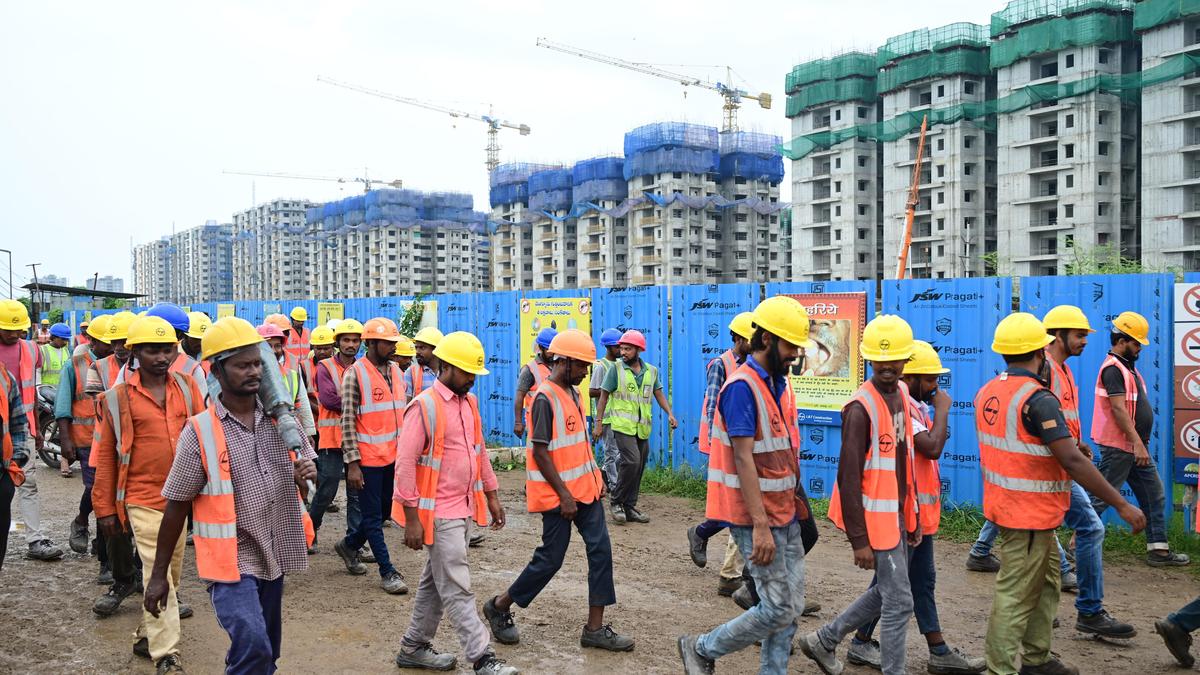
The construction of Andhra Pradesh's greenfield capital, Amaravati, is driving significant socio-economic shifts for migrant workers and local communities. While infrastructure dominates the skyline, the project is simultaneously fostering new livelihoods and skill development for those involved in its creation.
The Human Infrastructure of Amaravati
The construction of Amaravati, the ambitious greenfield capital of Andhra Pradesh, is frequently discussed in terms of architectural blueprints, government complexes, and urban planning milestones. However, beneath the shadow of cranes and earthmovers lies a complex human narrative. The transformation of this landscape is not merely a feat of civil engineering but a profound catalyst for socio-economic change, fundamentally altering the lives of thousands of workers who have converged on the region to build a city from the ground up.
The Migrant Workforce: The Backbone of Development
At the center of this transformation is a diverse migrant workforce. Individuals like 46-year-old Deepak Maiti, who hails from the Purba Medinipur district of West Bengal, exemplify the human capital driving this project. Maiti is representative of a larger cohort of approximately 1,900 migrant labourers—primarily originating from West Bengal, Uttar Pradesh, and Odisha—who are currently engaged in the construction of critical infrastructure, such as the sprawling multi-storied NGO housing. Their presence underscores the interstate mobility that fuels large-scale urban development in India.
Socio-Economic Shifts for Local Communities
Beyond the migrant experience, the development of Amaravati is creating ripples of opportunity for the local population. The project has acted as a spark for women in the region to explore entrepreneurship and participate in structured skill development programs. By integrating local labor and providing avenues for professional growth, the capital project is attempting to ensure that the economic benefits of urbanization are not confined to industrial contractors but are distributed among the local communities living in the shadow of the new capital.
Balancing Progress with Sustainability
Building a greenfield capital requires a delicate balance between rapid development and long-term social and environmental stewardship. The current efforts in Amaravati are not just about erecting towers; they involve navigating the complexities of integrating modern infrastructure with the existing social fabric. As the city takes shape, the challenge remains to maintain this equilibrium, ensuring that the developmental velocity does not outpace the welfare of those who provide the manual labor for its completion.
Future Trends and Urban Legacy
Looking ahead, the Amaravati project serves as a case study for future urban planning in India. The integration of migrant labor welfare, coupled with the empowerment of local women through skill-based livelihoods, suggests a model where city-building can be an inclusive process. If successful, Amaravati may set a precedent for how 'smart' or 'green' cities can prioritize human capital as much as technological or structural advancement, ultimately creating a more resilient and equitable urban environment for future generations.
Verification Required?