"Worse Crime Than Murder": Ex-IAS Officer Denied Bail In Paper Leak Case
Source Entity
NDTV News Search Records Found 1000
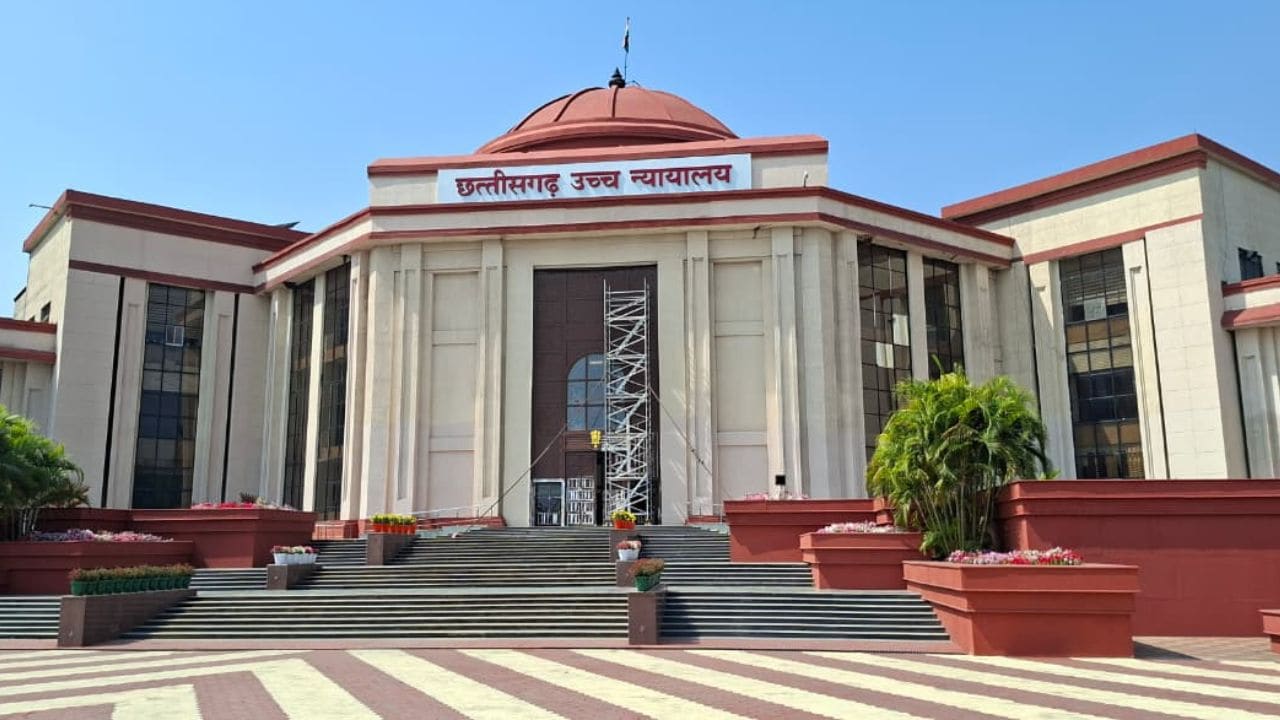
The Chhattisgarh High Court has denied bail to a retired IAS officer, Jeevan Kishore Dhruv, in connection with a 2021 CGPSC paper leak scandal. The court condemned the act, equating it to a crime worse than murder due to its devastating impact on meritocracy.
The Judicial Stand Against Merit-Based Corruption
In a landmark observation, the Chhattisgarh High Court has denied bail to Jeevan Kishore Dhruv, a retired IAS officer and former secretary of the Chhattisgarh Public Service Commission (CGPSC). The court’s scathing characterization of the 2021 paper leak scandal as a crime “more heinous than murder” highlights the judiciary's increasing intolerance toward systemic corruption that erodes the foundation of public institutions. This decision marks a significant development in the ongoing investigation into alleged irregularities that compromised the integrity of the state civil services examination.
The Anatomy of the Alleged Scandal
Jeevan Kishore Dhruv, 62, was arrested by the Central Bureau of Investigation (CBI) last September. The allegations center on his misuse of official authority to facilitate irregularities in the 2021 CGPSC examination. Crucially, the investigation revealed that Dhruv’s own son, Sumit Dhruv, was among those shortlisted in the tainted recruitment cycle, leading to the arrest of both father and son. The CBI contends that as the secretary of the commission, the applicant held a fiduciary duty to maintain absolute confidentiality—a trust he is accused of breaching for personal gain.
Legal Implications and Judicial Scrutiny
By classifying the paper leak as a crime more severe than murder, the court is emphasizing the societal damage caused by such acts. Unlike a conventional crime, a paper leak destroys the aspirations of thousands of honest candidates, undermines the meritocratic selection process, and permanently damages public trust in government recruitment bodies. The CBI’s opposition to the bail application focused on the gravity of the breach, arguing that the applicant exploited his position to secure illegal advantages, thereby subverting the fairness of the state’s administrative entry point.
The Broader Impact on Public Trust
This case is symptomatic of a larger national concern regarding the security of competitive examinations in India. When individuals in high-ranking positions—such as a former IAS officer—are implicated in such scandals, it signals a deep-rooted institutional failure. The judicial denial of bail reflects a growing consensus that white-collar crimes involving institutional sabotage deserve stringent legal consequences to serve as a deterrent against future malfeasance.
Future Trends and Accountability
As the legal proceedings against the Dhruvs continue, this case will likely serve as a precedent for how courts handle public corruption cases involving recruitment irregularities. The focus moving forward will remain on the CBI’s ability to prove the extent of the manipulation and the potential involvement of other commission officials. The refusal to grant bail underscores a judicial trend toward prioritizing the sanctity of public examinations over individual liberty when the integrity of the state apparatus is at stake.
Conclusion
The Chhattisgarh High Court’s refusal to grant bail to Jeevan Kishore Dhruv is a stern reminder of the high stakes involved in public sector recruitment. By framing the scandal as an existential threat to meritocracy, the court has set a firm tone for the ongoing trial. The outcome of this case will be pivotal in shaping the future of administrative accountability in Chhattisgarh and potentially influencing how similar cases are adjudicated across India.
Verification Required?