Nitin Gadkari stresses good training for drivers to curb road accidents
Source Entity
Latest News: Todays Latest News Headlines from India & World | Hindustan Times | Hindustan Times
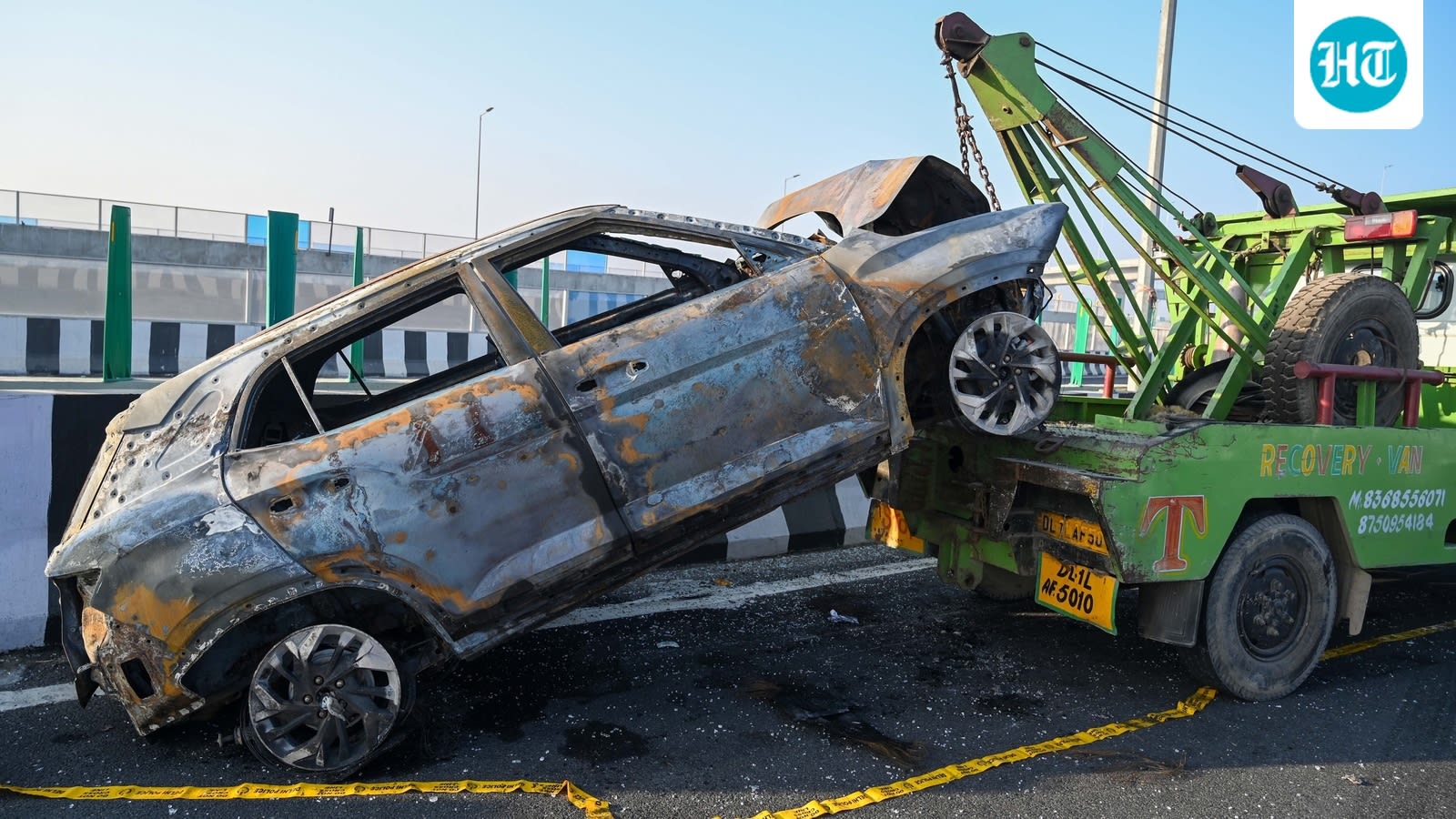
Union Minister Nitin Gadkari has highlighted the critical need for improved driver training to address India's high road accident fatalities. He identified lane indiscipline, over-speeding, and rash driving as primary factors behind the 1.8 lakh annual deaths.
Addressing India's Road Safety Crisis: A Focus on Driver Discipline
Union Minister for Road Transport and Highways, Nitin Gadkari, recently addressed the alarming state of road safety in India, emphasizing that systematic training is essential to mitigate the rising number of fatalities. With approximately 1.8 lakh deaths occurring on Indian roads annually, the government is intensifying its focus on behavioral modifications, specifically targeting lane discipline and adherence to traffic regulations.
The Mechanics of Road Fatalities
According to the Ministry of Road Transport and Highways (MoRTH), the primary catalysts for these tragic accidents are multifaceted. While over-speeding and general rash driving remain the leading causes of accidents across the country, the minister specifically highlighted 'wrong-lane driving' and 'sudden lane changes' as critical, preventable factors. These behaviors disrupt traffic flow and create hazardous conditions that lead to high-impact collisions.
The Role of Infrastructure and Human Error
While India has seen significant advancements in highway construction and road infrastructure, the human element remains the most volatile variable. The minister's insistence on proper training suggests a shift toward a more holistic approach that balances physical road engineering with the cognitive discipline of the driver. If drivers are not trained to respect lane markings and signal their intentions, even the most modern highways will continue to witness preventable loss of life.
Comparative Context and Future Trends
Internationally, nations with lower accident rates have integrated rigorous licensing and continuous driver education programs as a prerequisite for road access. By focusing on these standards, India aims to align its road safety metrics with global benchmarks. The emphasis on lane discipline is a foundational step in creating a more predictable driving environment, which is necessary as the volume of vehicles on Indian roads continues to grow at an unprecedented rate.
Policy Implications and Strategic Outlook
The government's acknowledgement of these specific behavioral issues in Parliament signals that legislative and administrative pressure will likely increase. This could lead to stricter enforcement of lane-keeping laws, potential updates to the driving test curriculum, and the implementation of intelligent transport systems that monitor traffic violations more effectively. Ultimately, the success of these initiatives will depend on the collective commitment of the public to adopt safer driving habits.
Conclusion
Nitin Gadkari's call to action serves as a stark reminder of the human cost of road accidents. By identifying specific, actionable areas for improvement—namely lane discipline and speed management—the Ministry is setting a clear trajectory for road safety reform. While the challenge remains significant, the focus on driver education is a vital component in reducing the annual death toll on Indian roads.
Verification Required?