Karnataka’s rice bowl shows no signs of filling up
Source Entity
India Latest News: Top National Headlines Today & Breaking News | The Hindu
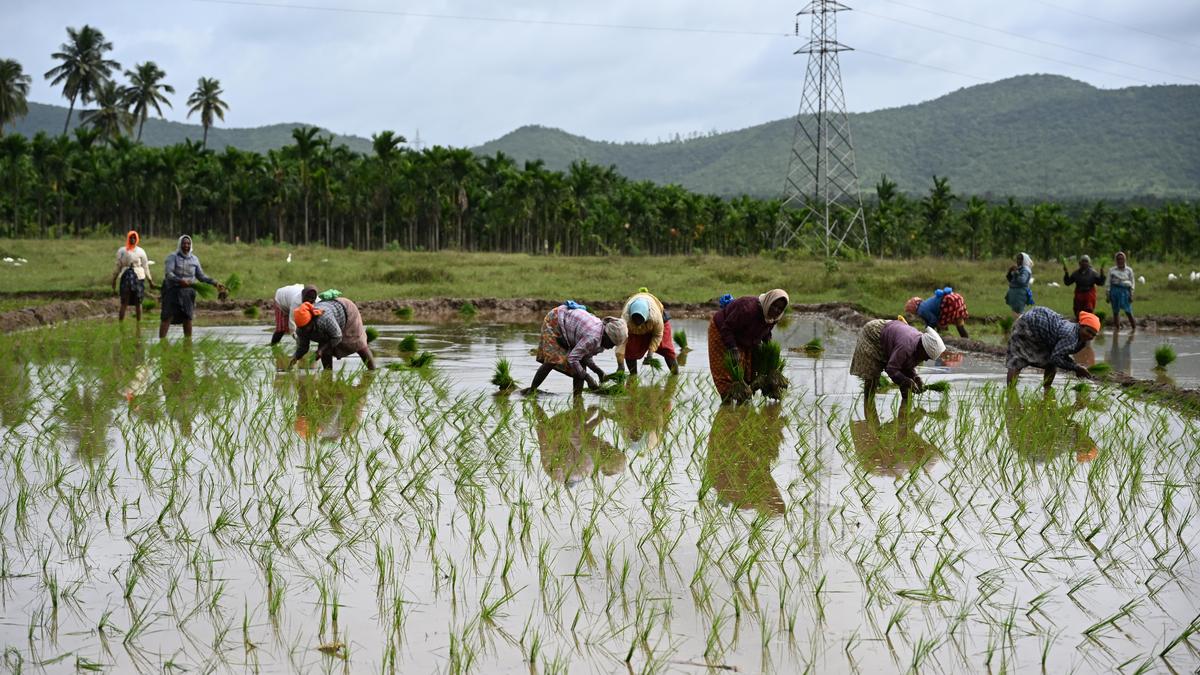
Bengaluru is facing a sharp rise in retail rice prices due to deficit monsoon rains, El-Nino patterns, and geopolitical tensions. Households are forced to adjust their grocery budgets as costs for varieties like Sona Masoori and Jeera Fine continue to climb.
The Rising Cost of Staples: A Deep Dive into Bengaluru’s Rice Crisis
The Impact of Deficit Monsoons and El-Nino
Karnataka, often referred to as a 'rice bowl' for the region, is currently grappling with a significant agricultural challenge. According to recent reports, the state has recorded substantial deficit rainfall during the critical months of June and July. This meteorological shortfall is largely attributed to the El-Nino phenomenon, a climate pattern that often disrupts normal precipitation cycles, leading to dry spells in agricultural heartlands. The immediate consequence of this environmental instability is a restricted supply chain, which directly translates to the price hikes observed in Bengaluru’s retail markets.
Geopolitical and Local Economic Pressures
Beyond climate factors, the current inflation in food prices is being exacerbated by global and local economic pressures. The ongoing conflict in West Asia has introduced volatility into global supply chains, affecting the costs of logistics and essential imports that indirectly influence domestic agricultural pricing. These macro-level disruptions are converging with local production challenges in Karnataka’s rice-growing belts, creating a perfect storm for consumers. The result is a consistent upward trajectory in the price of staple grains that families rely on daily.
The Human Cost: Household Budget Adjustments
For residents of Bengaluru, the economic reality is stark. Individuals like Kavya S., a housewife in BTM Layout, have reported a significant jump in the price of Sona Masoori rice—a staple for many households—which surged from ₹1,560 to ₹1,950 for a 26-kg bag in just one month. Similarly, Radha Shinde from Vijayanagar noted a price increase for bullet rice, forcing her to make difficult trade-offs by cutting pulses from her grocery list to accommodate the rising costs of carbohydrates. These anecdotes illustrate how inflation is not just a statistical figure but a tangible burden that alters the nutritional habits of families.
Market Trends Across Varieties
The price volatility is not limited to common varieties; it extends across the entire spectrum of rice available in the retail sector. Exotic varieties, such as Jeera Fine, have seen even steeper increases, with prices rising from ₹255 to ₹285 per kilogram. Traders have confirmed that prices across all varieties have increased by at least ₹10 to ₹15 per unit, with the most premium types seeing even higher surges. This trend suggests that the supply-side constraints are affecting both mass-market staples and niche culinary products equally.
Future Outlook and Conclusion
Looking ahead, the stability of rice prices in Karnataka remains tethered to the recovery of rainfall patterns and the easing of geopolitical tensions. If the El-Nino influence persists, the agricultural output may continue to struggle, likely keeping retail prices elevated for the foreseeable future. Policy makers and market analysts will need to closely monitor these trends to determine if interventions are required to stabilize the market. For now, the 'rice bowl' of Karnataka remains under pressure, leaving consumers to navigate a period of financial adjustment as they manage the rising cost of their most basic dietary requirements.
Verification Required?