Minutes after Amazon switched on its new AI staffing enforcement, a manager begged an engineer to shut it down
Source Entity
Yahoo Finance
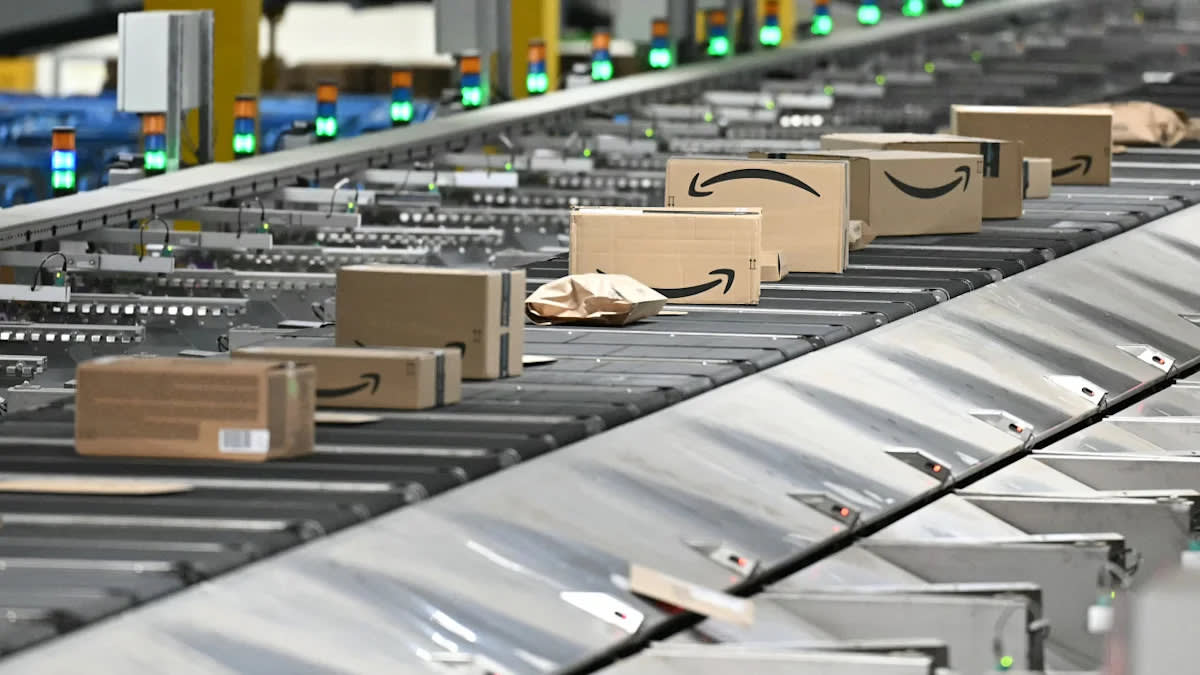
Amazon's implementation of AI-driven staffing enforcement faced immediate resistance when a manager requested an engineer to disable the system. This incident highlights the friction between corporate efficiency goals and the practical, often flawed, realities of deploying autonomous management tools.
The Friction of AI Integration in Corporate Environments
The recent report regarding an Amazon manager requesting an engineer to disable a newly implemented AI staffing tool underscores a critical turning point in modern corporate management. As large-scale enterprises race to leverage artificial intelligence to maximize operational efficiency, the human element—specifically the nuanced judgment of middle management—is increasingly coming into conflict with algorithmic decision-making. This incident serves as a primary case study for the growing pains associated with the rapid deployment of autonomous systems in high-pressure logistics environments.
The Illusion of Algorithmic Perfection
Companies often view AI as a panacea for staffing inefficiencies, promising the ability to optimize labor distribution at a scale no human can match. However, the immediate reaction of the manager in this instance suggests that these systems may lack the contextual awareness necessary for real-world application. When a manager feels compelled to shut down a system mere minutes after its activation, it indicates a significant disconnect between the design intent of the software and the messy, unpredictable reality of the workplace floor.
Implications for Workforce Dynamics
The shift toward AI-managed staffing creates a precarious environment where employees are not only being monitored by algorithms but are increasingly managed by them. This transition raises profound questions about accountability. If an AI system makes a staffing error that disrupts operations or negatively impacts labor conditions, who bears the responsibility? The fact that a manager sought to override the system suggests that human oversight remains a vital, albeit currently strained, component of the workplace hierarchy.
The Broader Economic Context
This incident does not occur in a vacuum; it is part of a broader trend where major corporations are aggressively automating administrative tasks. While proponents argue that this increases productivity and minimizes human error, the resistance from those on the front lines highlights a lack of trust in the technology's current maturity. As companies like Amazon continue to integrate these tools, the industry will likely face ongoing battles between the desire for data-driven efficiency and the practical necessity of human intuition.
Future Trends in Human-AI Collaboration
Moving forward, we can expect to see a more rigorous vetting process for AI implementations. The 'shut it down' approach seen here is a reactive measure that could evolve into more collaborative 'human-in-the-loop' systems. For AI to be successful in staffing, it must move beyond rigid efficiency metrics and incorporate the feedback loops necessary for managers to feel confident in the machine’s output. Until then, the tension between human leadership and algorithmic control will remain a defining feature of the modern corporate landscape.