Amazon’s $1B plan to combat data center backlash draws more backlash
Source Entity
Ashley Belanger
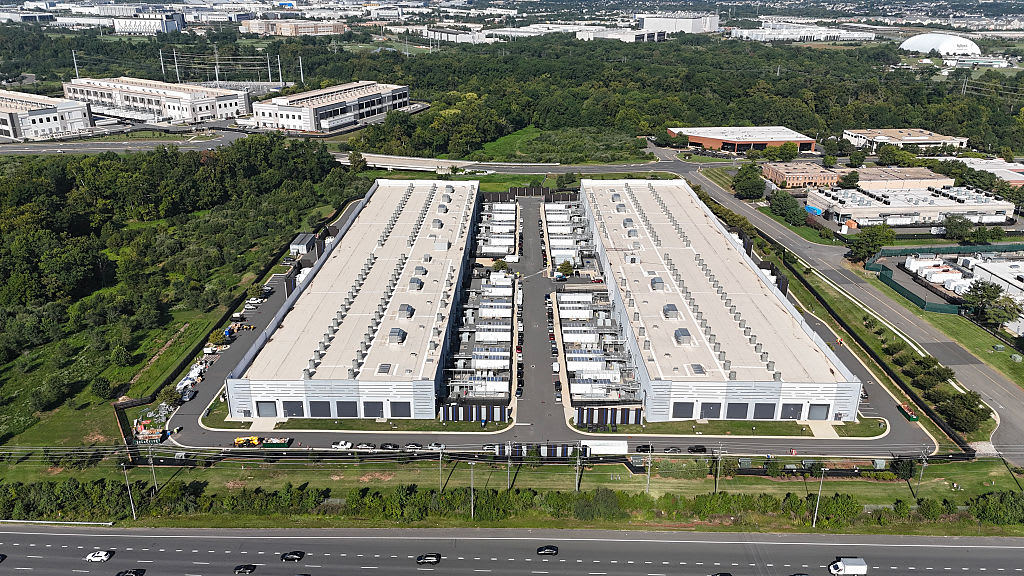
Amazon is facing intense community backlash over the rapid expansion of massive, energy-intensive AI data centers. While the company has pledged $1 billion to mitigate local impacts, critics and local officials remain concerned about environmental degradation and infrastructure stress.
The Growing Friction Between AI Infrastructure and Local Communities
The Shift Toward Hyperscale Infrastructure
As the digital landscape evolves, the physical footprint of the internet has undergone a dramatic transformation. In cities like San Antonio, data centers that once resembled modest, unassuming office buildings have evolved into massive "hyperscale" facilities. Covering millions of square feet, these structures are essential for the physical infrastructure of artificial intelligence. As Councilmember Ric Galvan notes, the proliferation of these sites—moving from a handful of facilities to nearly 20 projected in a single district—has brought the realities of industrial-scale computing directly into residential and natural spaces.
Environmental and Neighborhood Impacts
The rapid development of these facilities has created significant friction with local communities. The clustering of data centers along major thoroughfares has led to a cascade of negative externalities, including the loss of green space, increased traffic, and ongoing operational nuisances like constant noise and high-intensity lighting. For residents, the transition from open fields to industrial hubs represents a fundamental change in the character of their neighborhoods, turning previously quiet areas into nodes of global data processing.
The Geopolitical Stakes of AI Dominance
In response to mounting public concern, Amazon Web Services (AWS) has taken an aggressive stance, framing the construction of these data centers as a matter of national security. CEO Matt Garman has argued that the United States cannot afford to lose the "race for AI dominance," suggesting that opposition to these projects could lead to irreparable harm to the national economy. By positioning data center expansion as a geopolitical necessity, Amazon is attempting to shift the narrative from local environmental concerns to a broader debate about American technological leadership.
Addressing the Backlash with Financial Commitments
To quell the rising tide of opposition, Amazon has pledged over $1 billion to be distributed over five years to communities neighboring its data centers. This initiative aims to address specific grievances related to education, job training, and energy affordability. Furthermore, the company has made public promises to ensure that its operations do not increase local power bills or deplete water supplies, setting a goal to be "water positive" by 2030. These commitments represent an attempt to institutionalize corporate responsibility in regions where the company’s physical presence is most pronounced.
Skepticism and the Future of Data Center Development
Despite these financial pledges, the backlash against Amazon continues to intensify. Critics are skeptical of the company’s messaging, arguing that AWS is downplaying the actual environmental impact and pollution associated with these massive sites. As the company attempts to counter what it characterizes as "misinformation" spread via social media, the underlying tension remains: the massive energy and water demands of AI are fundamentally at odds with the local desires for environmental preservation and neighborhood quality of life. The future of AI infrastructure will likely depend on whether tech giants can move beyond reactive spending to create a model of development that truly harmonizes with local interests.
Multiple Citing Sources