Sean Parker is rebuilding Stability AI around music
Source Entity
Connie Loizos
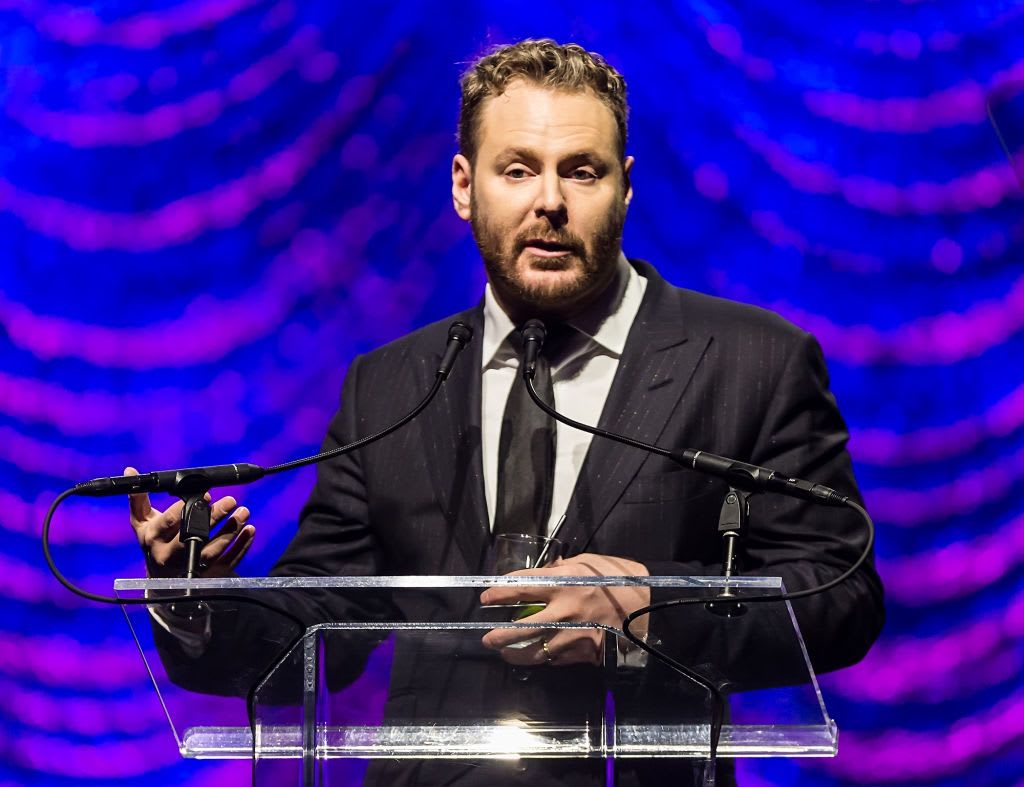
Napster co-founder Sean Parker is pivoting Stability AI toward music industry tools with backing from major labels. This strategic shift follows his involvement in rescuing the company from financial crisis.
The Strategic Pivot of Stability AI
Sean Parker, a figure synonymous with the early digital disruption of the music industry through Napster, has returned to the sector with a vastly different approach. Having previously famously favored the 'ask for forgiveness, not permission' strategy, Parker is now actively collaborating with major record labels. This shift in philosophy marks a significant evolution in his career, moving from a disruptor of traditional copyright models to an architect of AI-driven tools built with industry consensus.
From Financial Rescue to Visionary Leadership
Two years ago, Stability AI was on the brink of collapse, plagued by internal turmoil and excessive spending that led to the ouster of founder Emad Mostaque. Parker’s intervention, alongside his longtime friend Prem Akkaraju—who assumed the role of CEO—was instrumental in stabilizing the company. This $80 million rescue operation provided the necessary runway for the firm to pivot from its original image-generation focus to a more sustainable, specialized trajectory.
Aligning with the Music Industry
Stability AI’s new mandate is to become the premier AI toolmaker for music professionals. By securing $76 million in funding from industry giants like Sony and Warner, the company is signaling a commitment to legal and ethical development. This financial backing is not merely capital; it represents a formal partnership between AI developers and content owners, a stark departure from the adversarial climate that defined the early 2000s.
Implications of Regulatory Compliance
By working directly with labels, Parker is attempting to solve the biggest hurdle facing generative AI: copyright liability. By incorporating the labels as stakeholders, Stability AI aims to build tools that are trained on licensed, authorized data. This approach mitigates the risk of litigation that has hampered other AI startups and creates a scalable model for how creative industries can integrate artificial intelligence without compromising intellectual property rights.
Future Trends in AI and Creative Arts
Looking ahead, the collaboration between Stability AI and music labels could set a standard for the entire creative sector. As AI tools become more integrated into professional workflows, the industry is moving toward a hybrid model where technology enhances human creativity rather than replacing it. If successful, Parker’s efforts will likely serve as a blueprint for other AI firms seeking to navigate the complex intersection of cutting-edge technology and established creative law.
Conclusion
Sean Parker’s return to the music industry represents a full-circle moment, moving from the legal battles of his youth to a position of institutional collaboration. By focusing Stability AI on music-specific tools with the explicit blessing of the major labels, he is positioning the company to lead a new era of creative technology. This transformation of Stability AI from a struggling startup to an industry-backed innovator highlights the growing necessity of partnership in the rapidly evolving AI landscape.