Amazon's Astro home robot has fans but looks destined for the 'trash heap.' Why it's trying again
Source Entity
US Top News and Analysis
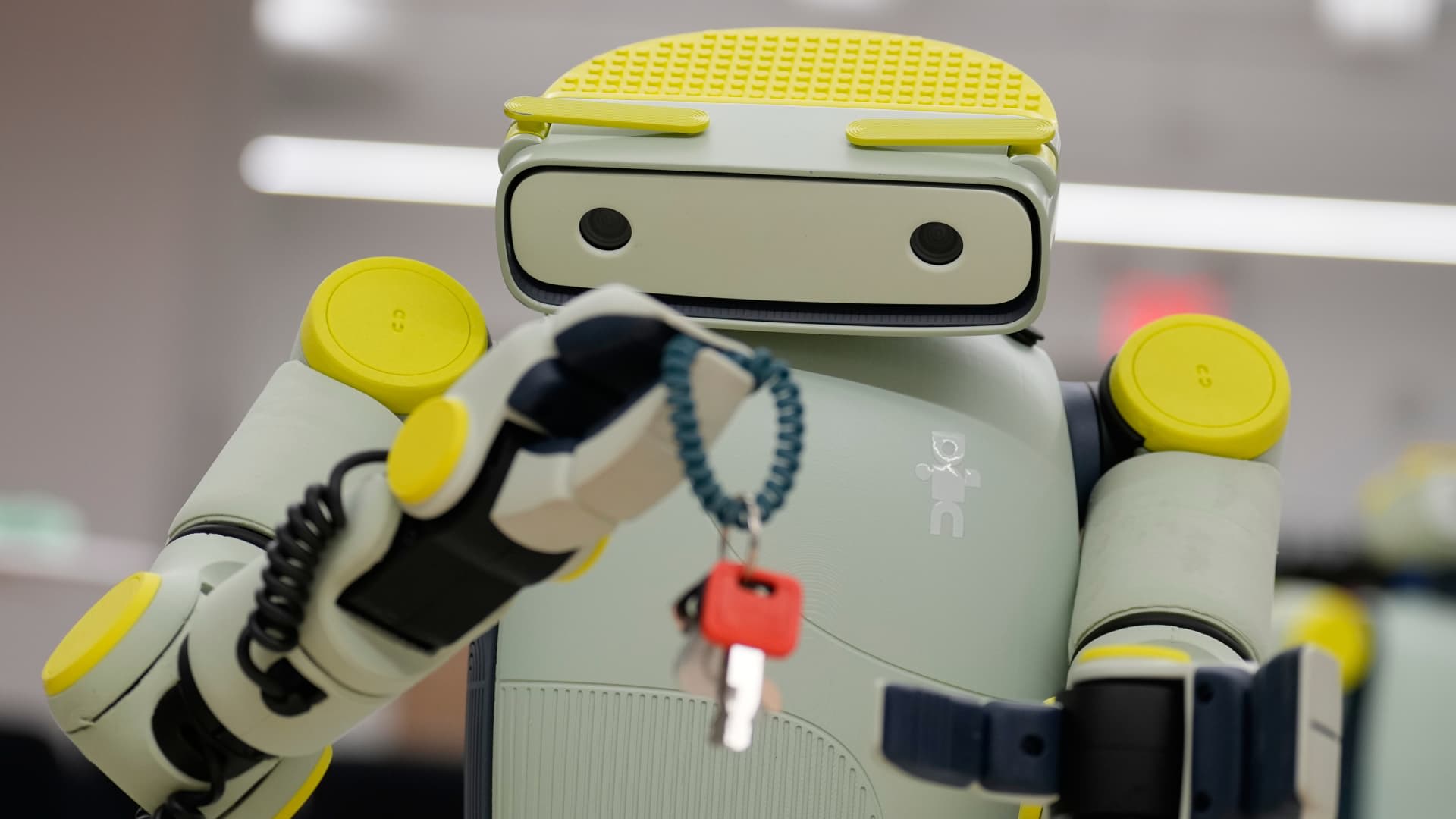
Amazon is pivoting its robotics strategy by assembling a new team to develop a 'new-to-world' home robot. This follows the limited success of the Astro, which struggled to move beyond an invite-only phase despite its potential.
Amazon’s Robotics Evolution: Beyond the Astro Era
Amazon’s journey into the consumer robotics space began in 2017 under the direct mandate of founder Jeff Bezos. Driven by a vision of a future where autonomous machines serve as household staples, the company mobilized its top device executives to pioneer a new category of home technology. This initiative culminated in the 2021 reveal of Astro, a $1,450 device described essentially as an Alexa-equipped tablet on wheels. While the machine demonstrated impressive capabilities—navigating homes autonomously, recognizing faces, and acting as a mobile security monitor—it ultimately struggled to achieve mainstream adoption.
The Challenges of the Astro Program
Despite its innovative design, the Astro never reached the scale of other Amazon hardware like Echo or Kindle. The robot remained confined to an invite-only model, reaching only a few thousand customers. This exclusivity limited the real-world data collection and iterative feedback necessary for a product to mature, leaving many early adopters concerned about the long-term support and viability of the platform. The attempt to pivot the technology toward a commercial B2B application with a 2023 business-focused version highlighted Amazon's internal struggle to define a clear value proposition for the hardware.
Strategic Pivot and New Talent Acquisition
Recent analysis of Amazon’s job postings indicates that the company is not abandoning its robotics ambitions but rather recalibrating them. By forming a new, dedicated home robotics team, Amazon is signaling a shift toward a 'new-to-world' product. This suggests that the company is moving away from the iterative constraints of the original Astro design and toward a clean-sheet approach that may address the limitations that hindered its predecessor's market penetration.
Market Implications and Future Trends
The shift in strategy reflects a broader trend in the tech industry: the transition from novelty-driven robotics to utility-driven automation. For Amazon, the stakes are high, as they seek to integrate their vast ecosystem of Alexa services into mobile hardware. Future success will depend on whether this new team can create a device that offers undeniable utility rather than just serving as a roving digital assistant. If they can solve the navigation and privacy concerns that often plague home robots, they may finally secure a foothold in the competitive smart home market.
Conclusion
Amazon’s path forward remains ambitious, rooted in the same sci-fi inspiration that launched the Astro project in 2017. While the original robot may face an uncertain future, the formation of a new team demonstrates a commitment to learning from past shortcomings. By focusing on a 'new-to-world' solution, Amazon is positioning itself to potentially redefine the role of domestic robots, provided they can transition from experimental hardware to essential home infrastructure.