Amazon’s drones will soon deliver to nearly 500 US cities and towns
Source Entity
Jess Weatherbed
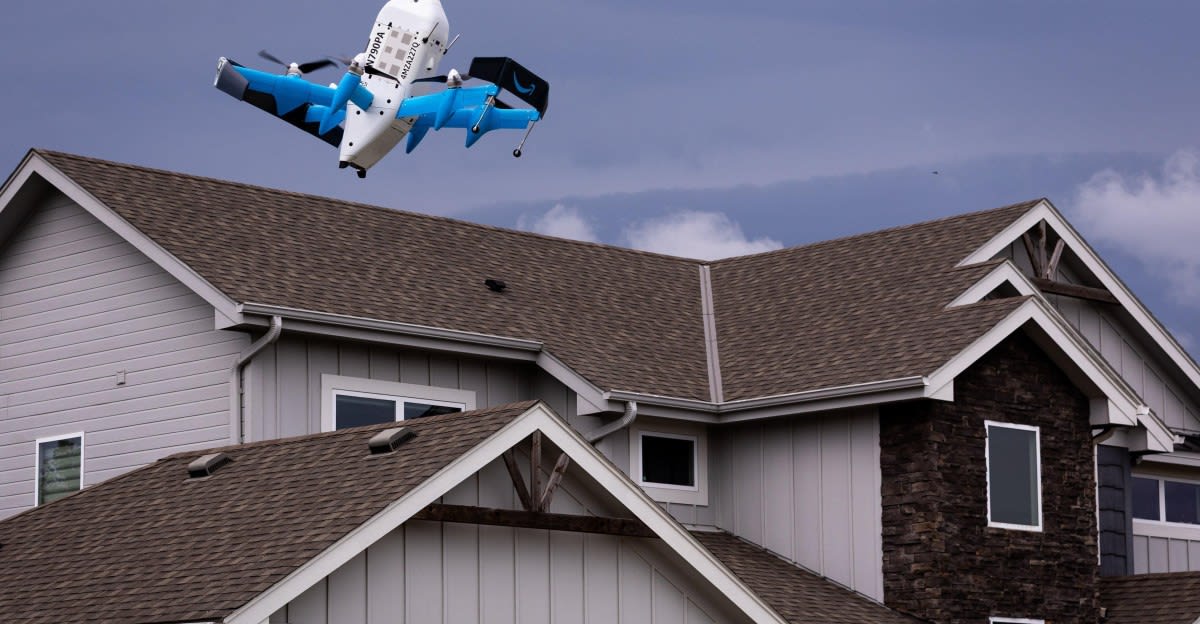
Amazon is significantly scaling its Prime Air drone delivery service, aiming to reach nearly 500 U.S. cities by the end of 2026. While this expansion promises rapid delivery for small packages, it also raises concerns regarding safety, operational history, and community noise pollution.
The Rapid Ascent of Amazon Prime Air
Amazon has officially announced a massive strategic expansion of its Prime Air drone delivery service, with the ambitious goal of reaching nearly 500 cities and towns across the United States by the end of 2026. This move represents a sixfold increase in the service’s current operational footprint, signaling a shift from experimental deployments to a more standardized, large-scale logistics model. By targeting major metropolitan areas—including Chicago, Atlanta, Cleveland, and Boise—Amazon is attempting to integrate autonomous aerial logistics into the daily lives of millions of consumers.
Operational Mechanics and Service Scope
At the core of this service is the promise of unprecedented speed. Amazon Prime Air is designed to handle packages weighing up to 5 pounds, which covers a significant portion of its daily retail order volume. Each drone delivery site is configured to serve a radius of approximately 175 square miles, offering delivery times that range from 30 to 60 minutes. This model is intended to drastically reduce reliance on traditional ground-based delivery vans for small, urgent items, potentially easing traffic congestion in dense urban centers.
Navigating Safety and Historical Challenges
Despite the technological advancements, the expansion is not without its hurdles. Amazon is returning to areas like Tolleson, Arizona, which was the site of a notable drone accident in October 2025 involving a collision with a crane boom. This incident, alongside previous reports of drones clipping internet cables and experiencing crashes, highlights the inherent risks of low-altitude autonomous flight. These safety concerns remain a focal point for regulatory bodies and local communities as the company scales its operations into more densely populated neighborhoods.
Societal Implications and Community Impact
As Prime Air becomes a common sight in the skies above American suburbs and cities, the trade-off between convenience and quality of life will likely come under scrutiny. The increased frequency of daily drone flights introduces the reality of persistent mechanical noise, a factor that many communities have yet to fully experience. The success of this rollout will depend heavily on Amazon's ability to balance the efficiency of its logistics network with the public’s tolerance for industrial-grade drone activity in residential airspace.
A New Frontier in Logistics
Looking ahead, the 2026 deadline for 500 cities serves as a litmus test for the viability of drone-based retail. If Amazon successfully mitigates the safety risks associated with its flight paths and manages the environmental impact of its fleet, it could set a new industry standard for last-mile delivery. However, the company must also navigate a complex regulatory landscape that is still adapting to the presence of thousands of autonomous delivery vehicles operating simultaneously across the national airspace.
Conclusion
In summary, Amazon’s push to scale Prime Air is a transformative step for the e-commerce giant, aiming to make sub-hour delivery a standard expectation. While the logistical potential is immense, the path forward is tempered by a history of mechanical failures and the need to maintain community trust. Whether this expansion will be met with widespread adoption or significant local resistance remains the critical question for the future of aerial logistics in the United States.
Multiple Citing Sources