AMD rides data center riches to ‘largest and most profitable’ quarter in history
Source Entity
Stevie Bonifield
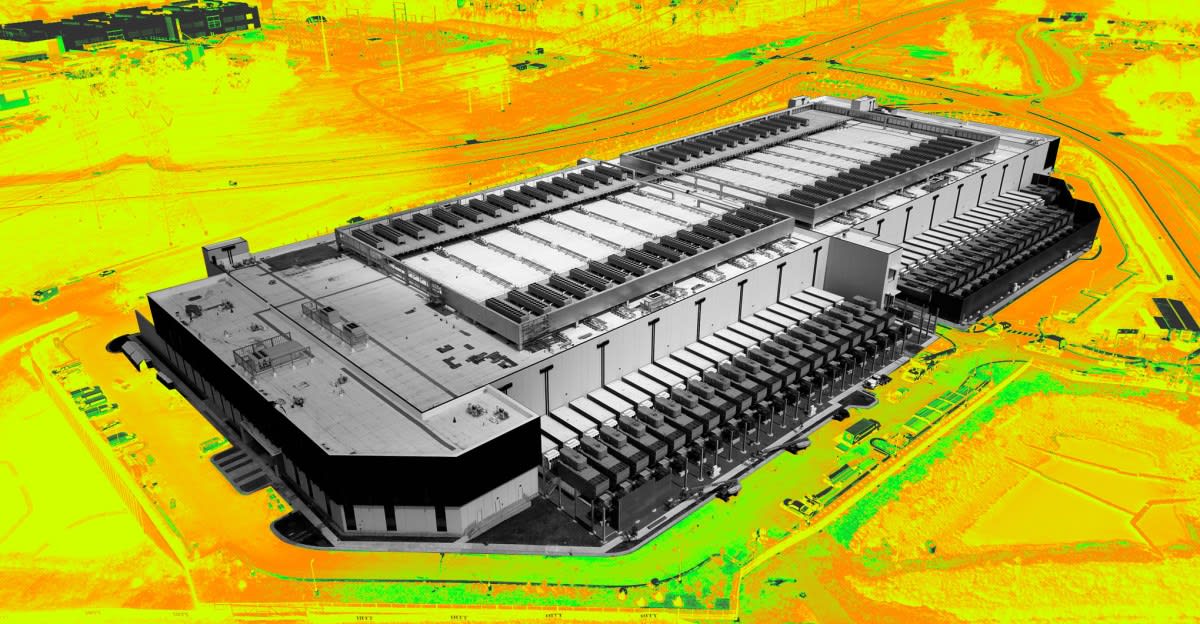
AMD reported record data-center revenue and a strong Q4 forecast, signaling robust AI demand. This performance has boosted investor confidence in the AI chip sector, helping tech stocks recover from recent market volatility.
AMD’s Strategic Surge in the AI Chip Market
Advanced Micro Devices (AMD) has recently signaled a pivotal moment in the semiconductor industry by forecasting fourth-quarter revenue that exceeds Wall Street expectations. This optimistic outlook is underpinned by record-breaking data-center revenue, a clear indicator that the company's multi-billion dollar investment strategy to compete with Nvidia is yielding tangible results. By demonstrating "real" revenue growth directly tied to artificial intelligence, AMD has effectively addressed and countered growing investor skepticism regarding the long-term sustainability of AI-related capital expenditures.
Market Response and Investor Sentiment
The immediate market reaction saw AMD shares jump over 8% in extended trading, reflecting a massive vote of confidence from shareholders. This surge is particularly significant given the broader context of recent tech market instability. Investors had been rattled by concerns over the escalating costs associated with the massive AI buildout and a weak outlook from industry peer Intel. AMD’s ability to provide a strong forecast has acted as a stabilizer, offering relief to a market that was previously spooked by fears of overspending and diminishing returns on AI infrastructure.
The Broader Tech Landscape
While AMD’s performance stands out, the wider tech sector experienced a notable recovery on Tuesday. The Nasdaq rose 0.83%, aided by gains in major chipmakers like Nvidia, Broadcom, and Micron Technology. This recovery occurred despite mixed signals from other tech giants, such as Apple, which saw its share price drop following a margin forecast impacted by the rising costs of memory chips. The divergence between AMD’s success and Apple’s margin pressures highlights the current volatility inherent in the tech hardware supply chain.
Regulatory and Political Context
Beyond pure financial metrics, the market is also navigating the potential impacts of the US political climate. While mid-term elections have not yet exerted a massive downward pressure on Wall Street, analysts are already anticipating that a shift in congressional control—specifically if Democrats retain or expand their majority—could lead to increased regulatory scrutiny of the AI sector. This potential for future legislative oversight adds a layer of complexity to the long-term investment thesis for companies heavily involved in the AI supply chain.
Future Trends and Industry Outlook
The semiconductor industry remains in a high-stakes race to satisfy the insatiable demand for AI-capable hardware. AMD’s current trajectory suggests that the company is successfully capturing market share, moving beyond theoretical potential to actualized revenue. As data centers continue to scale their computing power to support generative AI and large language models, the competition between AMD, Nvidia, and other chip designers will likely define the growth trajectory of the tech sector for the foreseeable future. The ability to manage costs while maintaining technological leadership will be the ultimate test for these firms as they transition from the initial AI boom to a more mature phase of industrial integration.
Multiple Citing Sources