AMD launches Helios, its first rack AI system to rival Nvidia, adding Microsoft as newest buyer
Source Entity
US Top News and Analysis
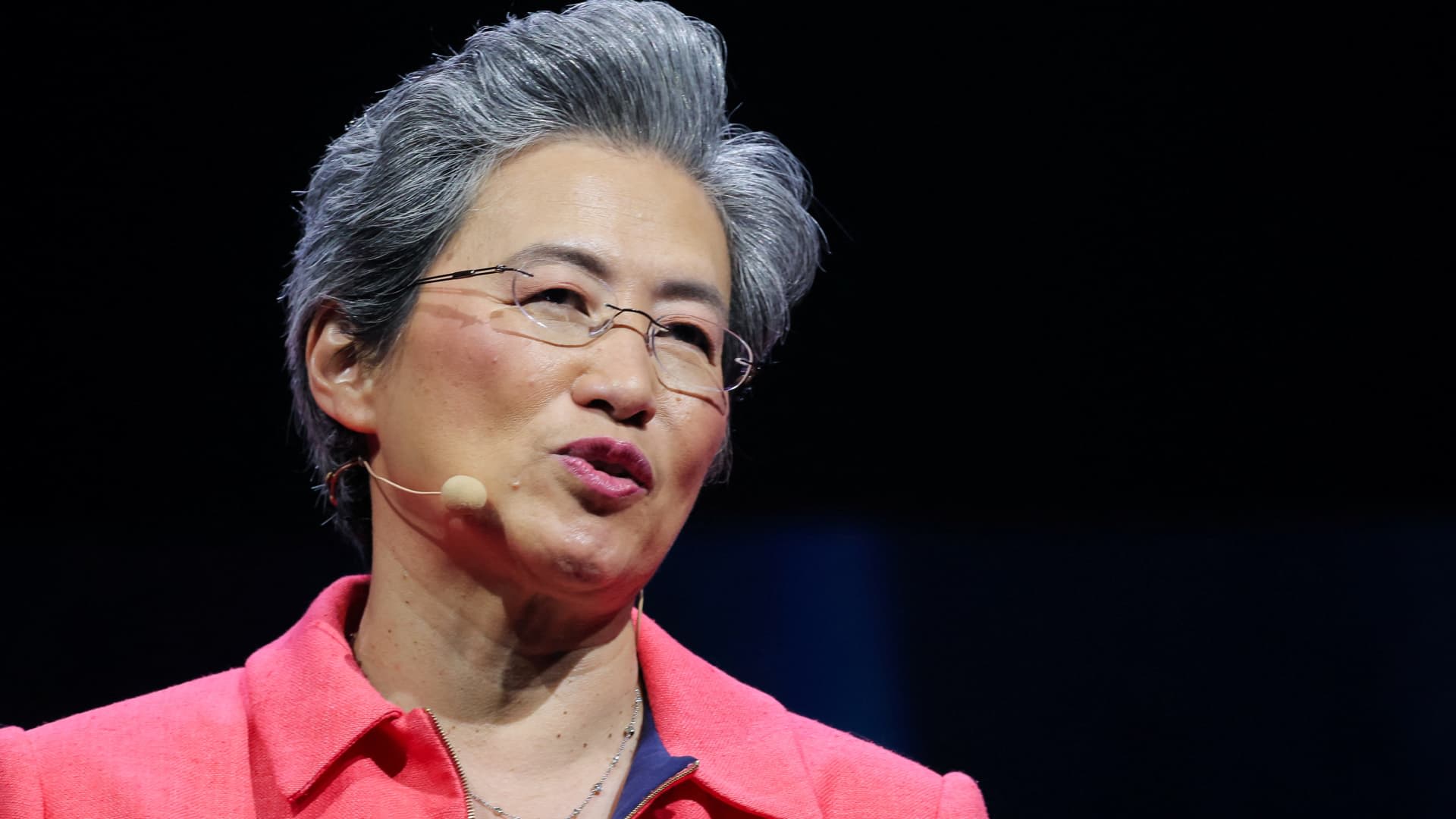
AMD has unveiled Helios, its first rack-scale AI system designed to compete directly with Nvidia's hardware. Microsoft has joined a growing list of major tech firms, including Meta and OpenAI, committed to deploying these systems in their data centers.
AMD Challenges Nvidia’s Dominance with the Helios AI System
Advanced Micro Devices (AMD) has officially signaled a major shift in the competitive landscape of the semiconductor industry with the announcement of Helios, its first rack-scale system dedicated to artificial intelligence. This development marks a pivotal moment for the company, which has spent the last decade executing a strategic comeback to reposition itself as a premier provider of high-performance computing hardware. By launching a full rack-scale solution, AMD is moving beyond selling individual chips to offering integrated infrastructure, a move specifically designed to challenge Nvidia’s long-standing hegemony in the AI compute sector.
The Strategic Importance of the Helios Architecture
Nvidia has long dominated the AI hardware market with its sophisticated Grace Blackwell and Vera Rubin systems, which have become the industry standard for training and deploying large language models. The introduction of Helios is the first direct, large-scale rival to these platforms. By providing a comprehensive rack-scale system, AMD is offering hyperscalers a viable alternative to the Nvidia ecosystem, potentially easing the supply-chain bottlenecks that have plagued the industry as demand for AI compute capacity continues to outpace production.
Microsoft Joins a Growing Roster of Adopters
The market confidence in AMD’s new direction is underscored by the announcement that Microsoft has joined the ranks of Helios customers. Microsoft’s integration of Helios into its data centers is a significant endorsement, placing the company alongside other major industry players like Meta, OpenAI, and Oracle. This collaborative momentum suggests that top-tier tech firms are actively seeking to diversify their hardware suppliers to avoid vendor lock-in and ensure they have the necessary throughput for their expanding AI workloads.
Financial and Market Implications
Following the announcement, the financial markets responded with optimism; AMD shares rose by more than 4%, while Microsoft saw a 1% gain. This positive reaction reflects investor sentiment that AMD is finally positioned to capture a meaningful share of the booming AI infrastructure market. While specific financial terms and the exact compute capacity of the Helios racks remain undisclosed, the market clearly perceives this move as a substantial step toward breaking Nvidia’s pricing power and supply dominance.
Future Trends and Industry Outlook
As AMD prepares to commence shipping Helios systems later this year, the industry is entering a new phase of intense competition. The race to secure high-performance compute capacity is no longer just about chip performance; it is about the efficiency of integrated systems that can be rapidly deployed at scale. If Helios performs to the expectations of its early adopters, it could fundamentally alter the trajectory of data center expansion, forcing a more balanced competitive environment where innovation in system architecture, rather than just raw silicon, defines the winners in the AI revolution.