China delivers a one-two punch to America’s AI dominance
Source Entity
Robert Hart
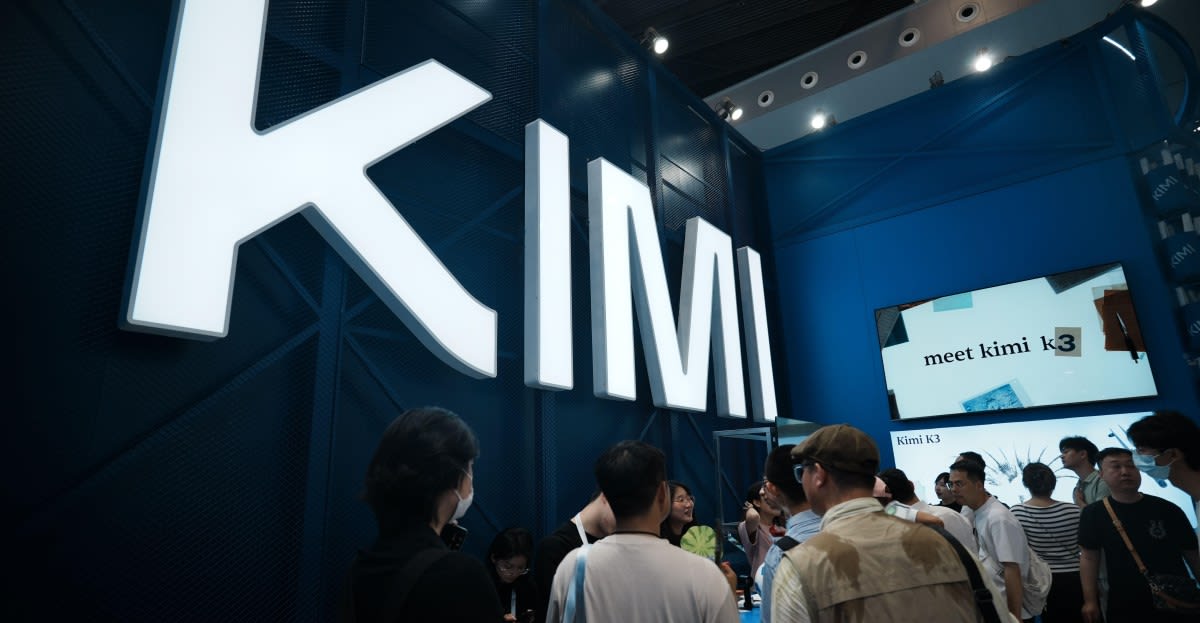
Chinese AI firms like Moonshot and Alibaba are challenging US dominance with high-performance, low-cost open-weight models. This shift toward open accessibility is sparking a major debate over national security, economic strategy, and the future of proprietary AI labs.
The Shift in the Global AI Power Balance
The landscape of artificial intelligence is undergoing a significant transformation as Chinese firms, most notably Moonshot AI and Alibaba, aggressively challenge the established supremacy of Silicon Valley giants like OpenAI and Anthropic. The recent unveiling of Moonshot’s Kimi K3—a model that reportedly rivals the best American systems at a fraction of the cost—marks a pivotal moment in the global AI race. This development suggests that the era of uncontested American dominance at the AI frontier is facing a rigorous test of efficiency and accessibility.
The Strategic Pivot: Open-Weights vs. Proprietary Models
A core point of contention in this shift is the deployment of "open-weight" models. While US-based labs have largely adhered to a "closed-first" strategy, keeping their most advanced technologies behind proprietary walls, Chinese developers are increasingly leveraging an open-weights approach. Proponents argue that this strategy accelerates global innovation and democratizes access, effectively eroding the "moat" that American companies rely on. The ease with which users can switch between models, such as moving from ChatGPT to Claude, indicates that the true value in AI lies not in the base model itself, but in the surrounding enterprise ecosystems.
Economic and National Security Implications
As AI becomes deeply integrated into national security and economic infrastructure, the competition between Beijing and Washington has intensified. The rapid progress of Chinese firms is not merely a technical milestone; it is a geopolitical signal. The debate has reached a fever pitch, with some voices, such as OpenAI’s Dean W. Ball, suggesting that the US government should employ regulatory measures to create distrust around these open-weight models. These calls are rooted in the fear that affordable, high-performance models from China could deter the capital investment required to sustain Western frontier labs.
The Debate Over Regulatory Intervention
The suggestion that the US should use regulatory "fear, uncertainty, and distrust" to stifle Chinese open-weight models has ignited a backlash from the broader tech community. Luminaries like Yann LeCun have argued that open software is a catalyst for progress, not a threat to be neutralized. The subsequent retraction of calls for a regulatory crackdown highlights the tension between protecting domestic commercial interests and fostering an environment where open-source innovation can thrive alongside proprietary projects.
Future Trends and Market Dynamics
The future of AI development will likely be defined by the tension between these two philosophies. If the "moat" for AI companies continues to shift toward enterprise services—such as specific contracts, system integration, and workflow optimization—the purely model-based advantage held by US labs may continue to diminish. As Chinese firms continue to provide high-quality alternatives at lower costs, the US will be forced to reconsider whether its current "locked-down" strategy is a sustainable long-term economic model or an obstacle to its own technological evolution.
Multiple Citing Sources