AMD takes on Nvidia with its Helios AI rack-scale system
Source Entity
Lucas Ropek
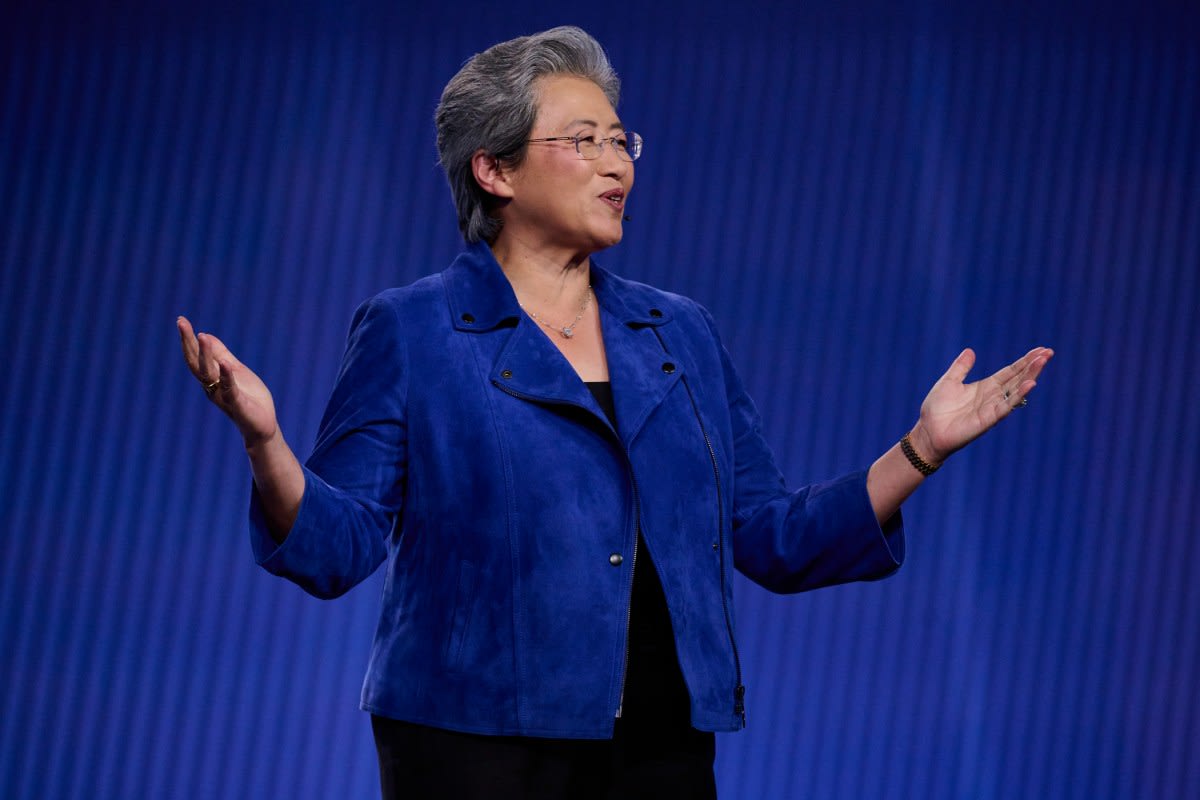
AMD has unveiled its new 'Helios' rack-scale AI system to compete directly with Nvidia in the high-performance data center market. Backed by major partners like Microsoft, the move marks a strategic expansion from GPU-only competition into the broader server CPU and infrastructure space.
AMD Challenges Nvidia with Helios AI Rack-Scale System
The Strategic Shift in AI Infrastructure
AMD has officially intensified its competition with industry leader Nvidia by unveiling the 'Helios' rack-scale system. Announced by CEO Dr. Lisa Su at the Advancing AI conference in San Francisco, this new hardware platform is specifically engineered to meet the extreme demands of the world’s largest AI laboratories. By moving beyond individual chip components to offer a complete rack-scale solution, AMD is attempting to provide a more integrated and efficient infrastructure for data centers tasked with training and running massive AI models.
Understanding Rack-Scale Architecture
At its core, the Helios system represents a shift toward high-density computing. Rack systems are essential for modern data centers because they combine multiple processors into a single, high-powered unit, allowing for the massive parallel processing required by generative AI and other compute-intensive workloads. By optimizing the integration of these processors, AMD aims to reduce bottlenecks that typically occur when individual components are sourced separately, thereby offering a more cohesive 'dragon-slaying' solution for the compute-hungry AI industry.
Broadening the Competitive Frontier
While AMD and Nvidia have long been locked in a fierce rivalry within the graphics processing unit (GPU) market, the announcement of Helios signals an expansion of this battleground. The chipmakers are increasingly competing in the lucrative server CPU market, a sector that serves as the backbone for cloud computing and enterprise-level artificial intelligence. This dual-pronged strategy—focusing on both GPU performance and CPU-integrated rack systems—allows AMD to capture a larger share of the data center ecosystem.
Industry Partnerships and Market Adoption
Crucially, the success of the Helios system is already being validated by major industry players. The inclusion of Microsoft as a key customer provides AMD with a significant competitive advantage, signaling that tier-one hyperscalers are willing to diversify their hardware suppliers. As AMD prepares to ship these systems later this year, the company is positioning itself not just as a chip vendor, but as a critical infrastructure provider capable of supporting the next wave of AI innovation.
Future Trends and Market Implications
Looking ahead, the pivot toward rack-scale systems suggests that the AI hardware market is moving away from a 'component-only' philosophy toward 'total system' solutions. As AI models continue to grow in complexity, data centers will prioritize platforms that offer superior thermal management, power efficiency, and inter-processor communication. AMD’s entry into this space suggests that the future of the semiconductor industry will be defined by how effectively companies can build the entire stack, rather than just the individual chips themselves.