Why some of America's biggest brands are losing ground in China
Source Entity
US Top News and Analysis
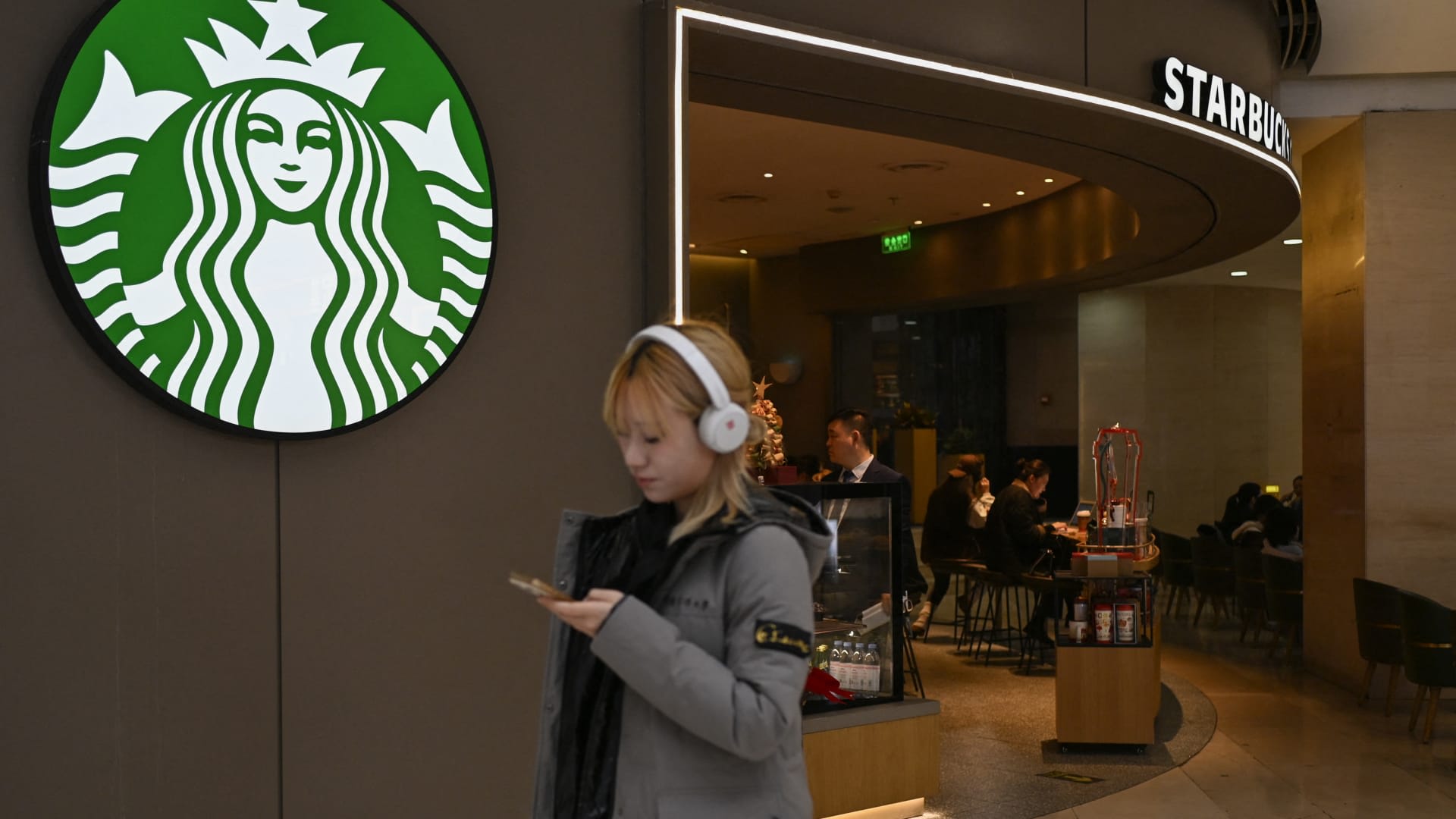
Major American brands like Nike, Starbucks, and GM are struggling in China due to intense local competition and shifting consumer preferences. Geopolitical tensions and a disconnect from local market trends have further eroded their once-dominant positions.
The Shifting Landscape of the Chinese Consumer Market
For decades, China served as the primary engine of global growth for multinational corporations, offering a massive addressable market of 1.4 billion people. Iconic American brands, including Nike, Starbucks, and General Motors, successfully leveraged this expansion to drive record revenues. However, the current landscape reveals a significant cooling in this relationship, as these companies face a confluence of systemic challenges that threaten their long-term relevance in the region.
The Rise of Domestic Competitors
One of the most profound shifts is the maturation of Chinese domestic brands. Where once Western labels carried an inherent premium and aspirational value, local competitors have caught up in quality, design, and digital integration. These domestic firms are often more agile, tailoring their products specifically to the nuances of the Chinese consumer experience. Consequently, American giants are no longer the default choice for middle-class shoppers, who increasingly favor homegrown alternatives that align better with local cultural values and trends.
Geopolitical Friction and Market Access
The erosion of market share is not merely a result of commercial competition; it is deeply entangled with rising geopolitical tensions. As relations between Washington and Beijing have become more strained, multinational corporations find themselves navigating a precarious middle ground. This environment can lead to consumer boycotts or a subtle shift in brand sentiment, where purchasing foreign products is viewed through a lens of nationalistic identity rather than just utility or status.
The Disconnect in Consumer Preferences
Beyond politics, there is a fundamental challenge regarding brand localization. American companies have struggled to adapt their marketing and operational strategies to keep pace with the rapid digitalization of the Chinese retail sector. From e-commerce integration to social commerce trends, the speed at which Chinese consumers adopt new purchasing behaviors has occasionally outpaced the legacy systems of established US brands. This 'disconnect' has left some firms looking out of touch with the modern Chinese shopper.
Future Outlook and Strategic Realignment
Looking ahead, the narrative for American businesses in China is shifting from aggressive expansion to defensive consolidation. Firms must now prioritize hyper-localization to regain lost ground. This requires a deeper understanding of regional preferences and a commitment to agility that matches the local ecosystem. While China remains an essential market, the era of automatic growth for Western brands has clearly ended, necessitating a more nuanced and resilient approach to global strategy.