How Rahul Gandhi Is Rewriting Political Strategy With His Outreach To Gen Z, Women
Source Entity
NDTV News Search Records Found 1000
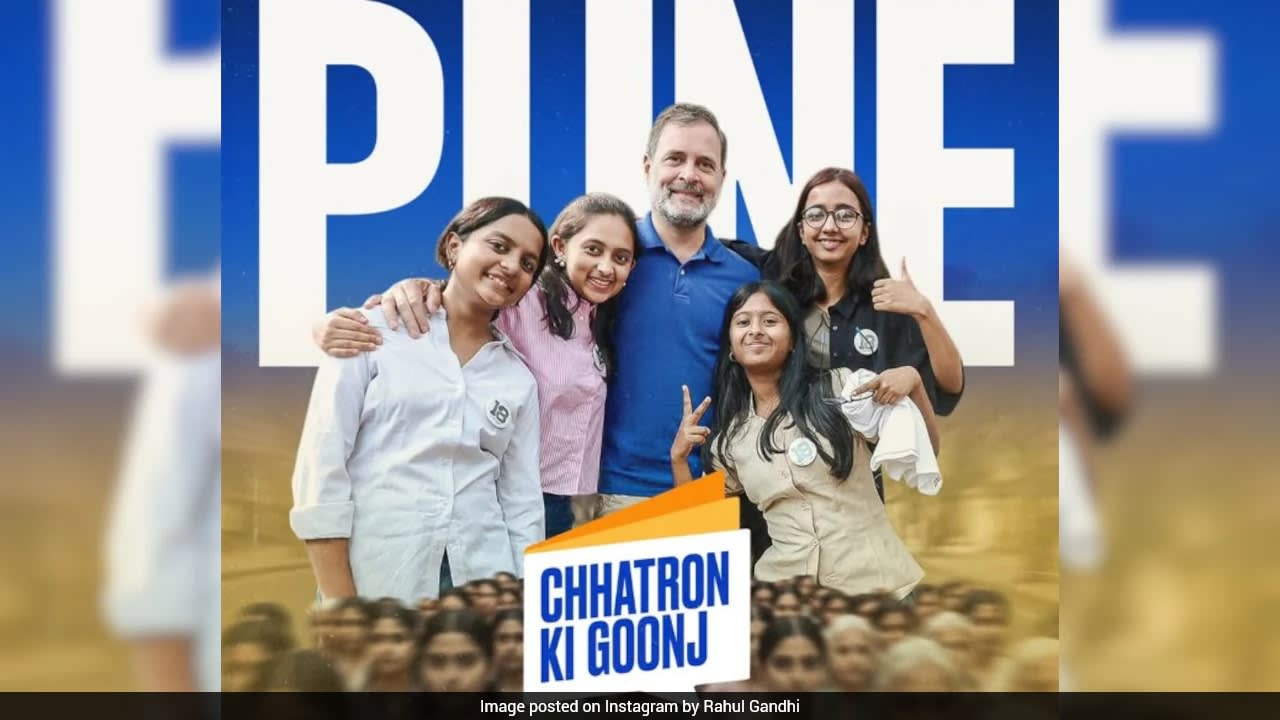
The Congress party is pivoting its political strategy to prioritize Gen Z and youth engagement by focusing on education-to-employment pathways. This shift, driven by recent student protests and party-level deliberations, aims to address systemic concerns and regain electoral relevance.
The Strategic Pivot: Congress Reimagines Youth Engagement
In a significant shift in political discourse, the Indian National Congress has embarked on a comprehensive restructuring of its outreach strategy, specifically targeting the demographic cohorts of Gen Z and the nation’s youth. This recalibration is not merely a superficial campaign adjustment but a fundamental change in how the party seeks to interact with younger voters. By moving away from traditional, top-down messaging, the party is attempting to foster a two-way dialogue that acknowledges the unique socioeconomic anxieties faced by today’s students and young professionals.
The Catalyst: Student Activism and Public Pressure
The impetus for this strategic evolution can be traced back to the burgeoning student protests at Jantar Mantar. These demonstrations served as a stark wake-up call for political entities, signaling that the youth demographic is increasingly willing to bypass traditional party structures to voice their grievances. The Congress party, recognizing the volatility of this sentiment, has acknowledged that the status quo of political engagement is insufficient. The pressure exerted by these grassroots movements has forced a necessary course correction, compelling leadership to treat youth-centric issues as a primary pillar of their policy platform rather than an auxiliary concern.
Policy Framework: The Education-to-Employment Roadmap
Central to this new trajectory is the roadmap proposed by the Congress Working Committee (CWC). Recognizing that the primary anxiety among Indian youth revolves around the transition from academic institutions to the professional workforce, the party has prioritized an 'education-to-employment' framework. This policy-heavy approach is designed to resonate with a demographic that is increasingly focused on tangible economic outcomes, skill development, and job security, moving the conversation beyond ideological rhetoric to address the practical realities of the modern labor market.
Leadership and the 'Two-Way Conversation'
Rahul Gandhi’s recent public engagements serve as the face of this strategic shift. By actively participating in platforms that encourage direct interaction, Gandhi is attempting to bridge the disconnect that has historically existed between legacy parties and the digital-native generation. This 'two-way conversation' model is intended to make the party appear more accessible and responsive to the real-time feedback of Gen Z, creating a feedback loop where student concerns are directly translated into party policy.
Broader Implications and Future Trends
If successful, this strategy could signal a broader trend in Indian politics where parties must increasingly compete on the merits of their youth-employment agendas. As the demographic dividend remains a critical factor in India's electoral landscape, the ability to capture the youth vote will likely define the long-term viability of political organizations. The Congress party’s current commitment to this demographic suggests a recognition that failing to address the aspirations of the young will lead to political obsolescence in an increasingly competitive democratic environment.
Conclusion: Assessing the Long-Term Impact
The move to place student issues at the heart of the party’s strategy is a calculated gamble to reclaim lost political ground. By institutionalizing youth outreach through the CWC and focusing on the critical link between education and employment, the Congress is attempting to align its institutional machinery with the evolving demands of the modern voter. Whether this strategy translates into electoral success remains to be seen, but it undoubtedly marks a definitive shift in the party's operational philosophy.
Verification Required?