Watch: Congress’s position on ‘Jana Gana Mana’ and ‘Vande Mataram’ remains the same: Shashi Tharoor
Source Entity
India Latest News: Top National Headlines Today & Breaking News | The Hindu
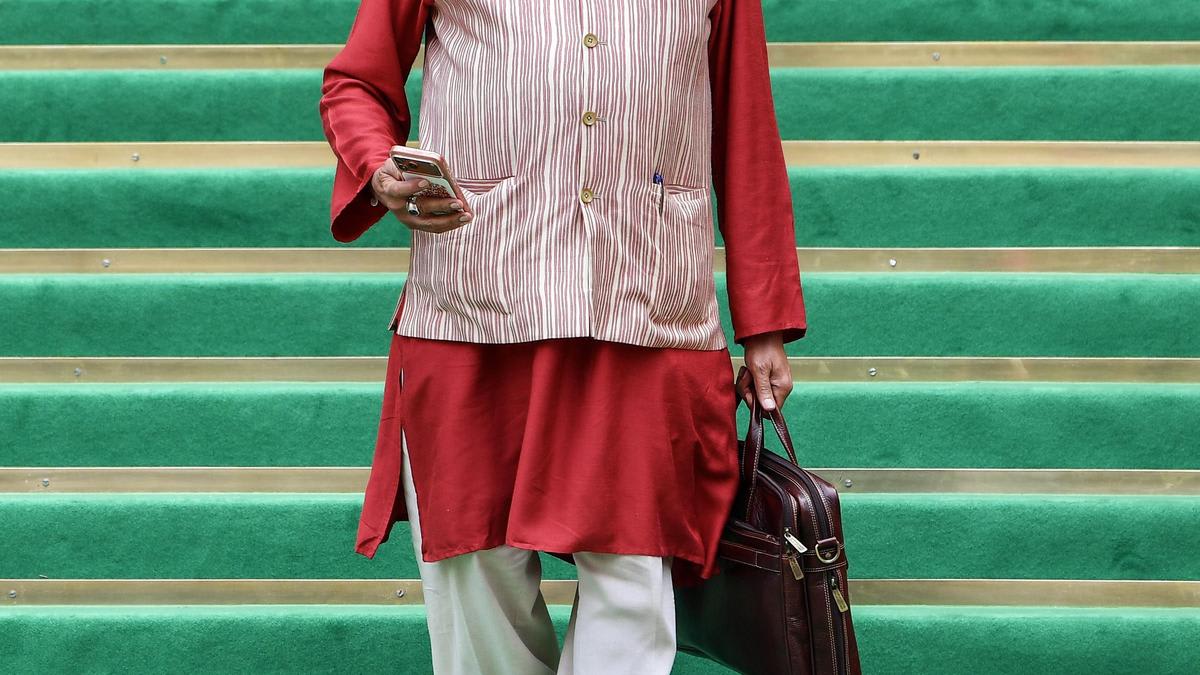
Indian political discourse remains heated as leaders trade barbs over national symbols and party acronyms. Meanwhile, reports from the Campaign for Judicial Accountability and Reforms highlight critical infrastructure failures in rural education.
Political Rhetoric and Infrastructure Challenges in India
The Intersection of National Identity and Political Discourse
Recent developments in Indian political discourse highlight a persistent tension between symbolic identity and governance. Congress leader Shashi Tharoor has reiterated that his party’s position regarding the national anthem, 'Jana Gana Mana,' and the national song, 'Vande Mataram,' remains unchanged. This statement serves to anchor the party’s historical stance on national symbols amidst ongoing scrutiny of their ideological alignment. Such discussions often surface when political parties seek to solidify their base by reaffirming their commitment to constitutional and historical pillars of the nation.
Acronym Wars and Partisan Attacks
In a parallel development, Samajwadi Party leader Akhilesh Yadav has engaged in sharp political rhetoric by reinterpreting the acronym 'BJP' as 'Bhag Jao Pakistan.' This form of linguistic maneuvering is common in the high-stakes environment of Indian electoral politics, where parties utilize provocative labeling to discredit their opponents. By linking the ruling party to external geopolitical tensions, Yadav aims to shift the narrative focus, illustrating how acronym-based mudslinging continues to be a primary tool for political mobilization and public messaging.
The Reality of Rural Infrastructure
Beyond the theater of political rhetoric, reports from the Campaign for Judicial Accountability and Reforms (CJP) have brought to light the stark realities facing rural education. Investigations into a rural school revealed severe deficiencies, including the presence of alcohol and weed on premises and a complete lack of functional sanitation facilities. These findings shift the focus from abstract political debates to the tangible failure of public service delivery, highlighting the urgent need for systemic reform in basic infrastructure.
The Disconnect Between Politics and Governance
There is a notable disconnect between the intense focus on ideological and rhetorical battles and the ground-level reality of rural development. While party leaders exchange barbs over national symbols and party labels, the fundamental rights of students—such as access to a clean and safe learning environment—remain compromised. The contrast between these two spheres of public life underscores the challenges faced by the Indian administrative machinery in prioritizing grassroots welfare over political grandstanding.
Future Implications and Reform
As the political landscape continues to evolve, the pressure on parties to address substantive issues like education and sanitation will likely grow. The reports of neglect in rural schools serve as a critical metric for governance. For India to progress, the discourse must shift from polemics to policy, ensuring that the oversight mechanisms responsible for school conditions are held accountable. The integration of political accountability with administrative efficiency will be the defining challenge for the coming electoral cycles.
Verification Required?