Villagers clash with CJP’s school inspection team in Rajasthan
Source Entity
India Latest News: Top National Headlines Today & Breaking News | The Hindu
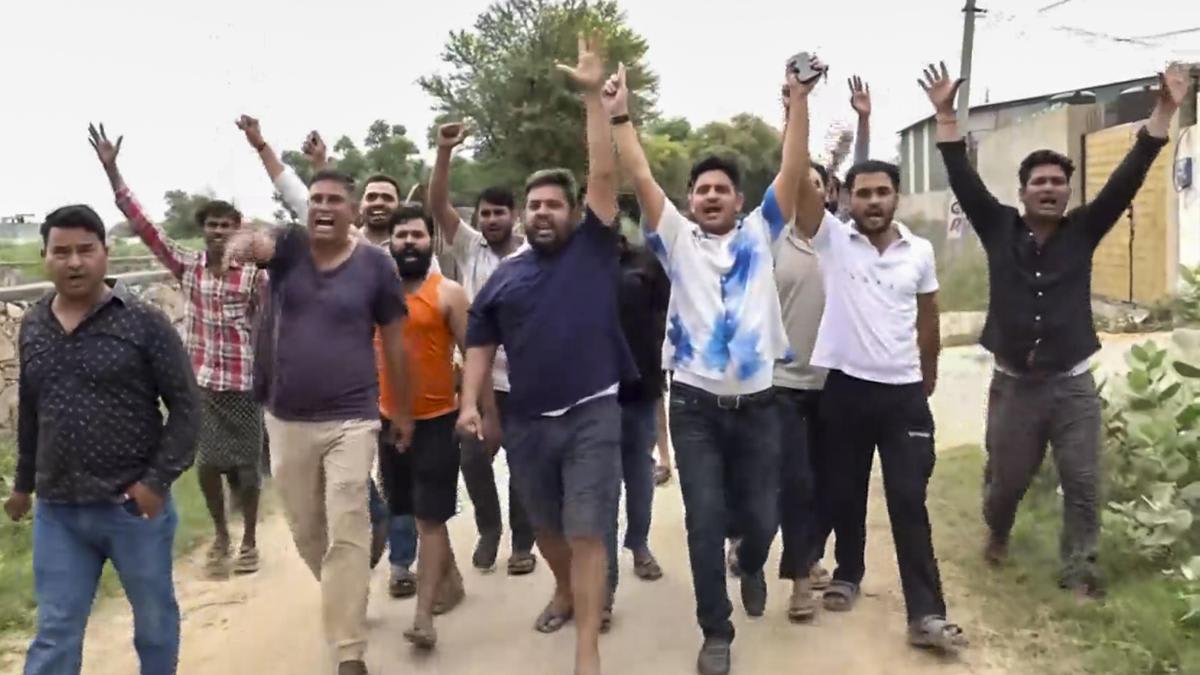
Members of the Cockroach Janta Party (CJP) were confronted and allegedly assaulted by locals while attempting to inspect a government school in Jaipur. The CJP claims the opposition was orchestrated by BJP-aligned individuals, while local authorities remain officially unaware of the incident.
Confrontation in Bagru: Tensions Escalate Over School Inspection
On Friday, August 21, 2026, a visit by the Cockroach Janta Party (CJP) to a government primary school in Rampura Kanwarpura village, located in Jaipur's Bagru assembly constituency, devolved into a significant confrontation. The team, led by CJP co-convenor Ashutosh Ranka, was executing their ‘School Thik Karo’ campaign—an initiative aimed at auditing infrastructure and educational facilities in government-run institutions. However, the mission was halted before they could reach their destination as residents established roadblocks and physically prevented the team from entering the village.
Allegations of Assault and Political Sabotage
The situation escalated from a protest into an alleged physical altercation. Ashutosh Ranka reported that he and his volunteers were assaulted by the gathered crowd, resulting in a reported fractured arm for one of his team members. Ranka has publicly characterized the aggressors not as concerned villagers, but as "goons" acting on behalf of the Bharatiya Janata Party (BJP). He specifically accused a local leader named Kamal Pradhan of orchestrating the resistance to protect vested interests related to land encroachment.
The Infrastructure Crisis as a Catalyst
At the heart of this conflict lies the state of the local primary school. Ranka has highlighted a dire situation, alleging that students are being forced to learn in a cowshed alongside livestock. This claim underscores a broader, often contentious issue in rural education policy: the disparity between official reports of school conditions and the ground reality. For political parties like the CJP, exposing these failures serves as a primary tool for mobilization, while for local political stakeholders, such inspections are often viewed as disruptive political theater.
The Role of Local Authority and Narrative Conflict
The response from local law enforcement remains a point of divergence. Bagru DSP Dharmendra Sharma stated he was unaware of the developments, suggesting a potential gap in communication or a delayed reporting mechanism. This administrative silence contrasts sharply with the vivid accounts and video evidence cited by the CJP, which show a crowd actively blocking access and confronting the activists. The discrepancy between official police records and the claims of the political activists highlights the volatility of local political reporting.
Broader Implications for Political Activism
This incident serves as a microcosm of the risks inherent in grassroots political campaigning. When parties attempt to bypass local power structures to inspect public infrastructure, they frequently encounter resistance from those who perceive such oversight as a threat to their community influence. As the ‘School Thik Karo’ campaign continues, the CJP will likely face increasing scrutiny regarding their methods, while the accusations of land encroachment and the neglect of school facilities will continue to provide fuel for local political debates.
Future Outlook
The events in Rampura Kanwarpura suggest that upcoming political discourse in the Bagru constituency will be heavily influenced by these clashes. If the CJP continues to focus on infrastructure failures, we can expect further friction between activist groups and local political factions. The incident highlights the urgent need for transparent audits of rural school facilities to prevent such confrontations and ensure that the primary focus remains on the educational environment for children, rather than political posturing.
Verification Required?