Punjab and Haryana High Court seeks Punjab’s affidavit on welfare schemes, free power, monthly dole
Source Entity
Jagpreet Singh Sandhu
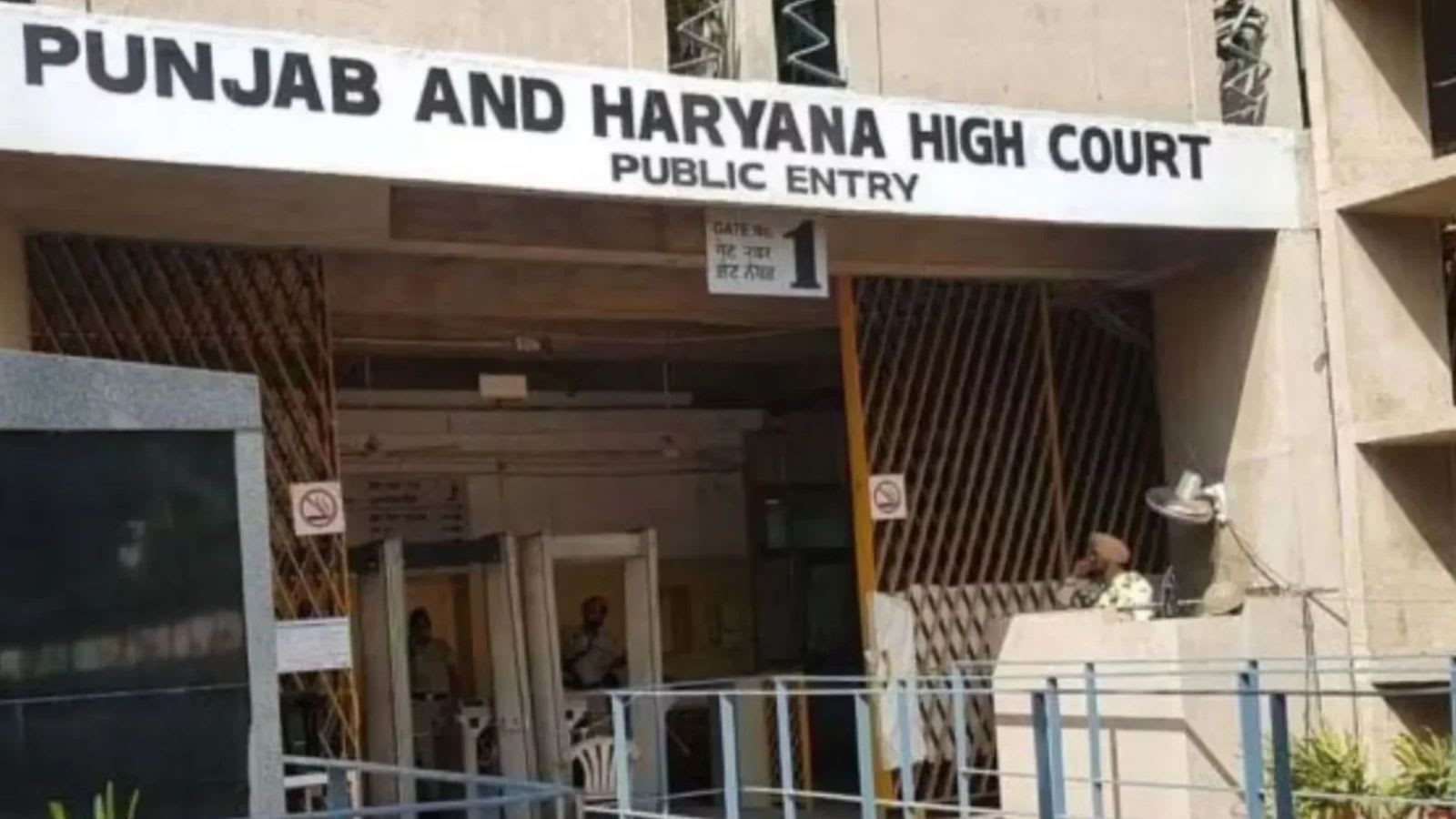
The Punjab and Haryana High Court has ordered the Punjab government to disclose details of its various welfare schemes and financial assistance programs. This directive arose during a petition concerning pension and employment benefits for a deceased employee's family.
Judicial Scrutiny of State Welfare Policies in Punjab
The Court's Directive
The Punjab and Haryana High Court has taken a significant step by ordering the Punjab government to submit a comprehensive affidavit detailing the various welfare schemes, financial aid policies, and populist announcements currently in effect. This judicial inquiry, spearheaded by Justice Sandeep Moudgil, demands transparency regarding the distribution of free electricity, water, public transportation, and direct monthly financial assistance provided to the state's residents.
Origins of the Petition
This directive emerged from a specific legal challenge brought forward by Baljinder Kaur, the widow of late Chowkidar Tara Singh, along with their son, Gursewak Singh. The petitioners are seeking the posthumous regularization of Tara Singh’s service, which would secure them essential benefits such as the Old Pension Scheme and family pension. Furthermore, the family is requesting that Gursewak Singh be considered for a compassionate appointment, highlighting a struggle between individual entitlement to state service benefits and the broader fiscal management of state resources.
Balancing Welfare and Fiscal Responsibility
The court’s request for a detailed accounting of welfare schemes suggests a growing judicial interest in the fiscal sustainability of state-sponsored populist measures. By juxtaposing individual claims for pension and employment—which represent contractual obligations—against the backdrop of broad, state-funded freebies, the judiciary is signaling a need for greater clarity on how public funds are prioritized. This move could potentially influence how future welfare policies are structured, ensuring that essential administrative obligations to employees are not sidelined by broad-spectrum subsidies.
Legal and Administrative Implications
The requirement for an affidavit forces the state government to catalogue its extensive list of incentives and subsidies formally. This transparency is vital for the judicial system to understand the state’s financial commitments. If the court finds that welfare disbursements are impacting the state’s ability to fulfill statutory obligations toward its own employees, it may set a precedent for how state budgets are audited and reported in the public interest.
Future Outlook
As the Punjab government prepares to respond, the case serves as a litmus test for the balance between social welfare mandates and administrative accountability. The outcome of this petition will likely reverberate beyond the individual petitioners, potentially shaping the discourse on the economic viability of populist policies in Indian states. Observers will be watching closely to see how the state justifies its fiscal allocation and whether this leads to a more structured approach to welfare distribution moving forward.