Most Americans aren't anti-vaccine. They're uncertain — and that's a growing public health challenge
Source Entity
US Top News and Analysis
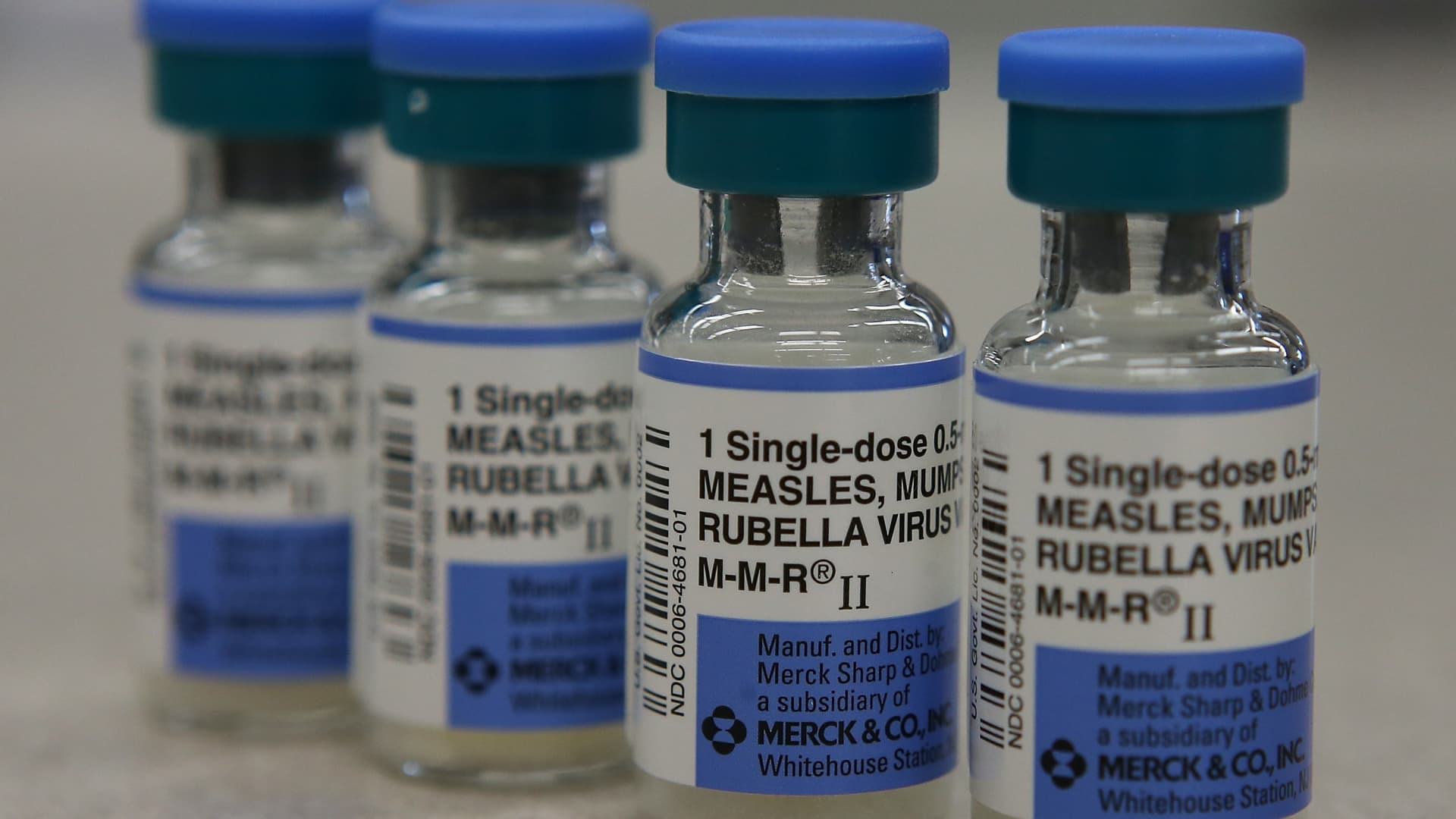
While public concern over vaccine hesitancy is rising, data suggests the primary challenge is an uncertain 'middle ground' rather than hardened anti-vaccine sentiment. Addressing this ambiguity is essential for public health officials to improve immunization rates and contain preventable diseases.
The Complexity of Vaccine Hesitancy in America
Recent trends in public health, marked by a resurgence in preventable illnesses like measles, have sparked intense debate regarding the state of immunization in the United States. While media narratives often focus on the vocal minority of anti-vaccine activists and the political figures who amplify their concerns, recent data from the KFF health policy research organization suggests that the reality is far more nuanced. The core issue is not a monolithic rejection of medical science, but rather a pervasive sense of uncertainty among a significant portion of the population.
The 'Uncertain Middle' Phenomenon
Public health experts have identified a critical demographic: the 'uncertain middle.' These individuals are neither staunchly opposed to vaccines nor firmly convinced of their necessity. This group represents a shifting landscape where trust in medical institutions is fluid. Unlike those who actively propagate myths about vaccine safety, this uncertain cohort is often characterized by questions, hesitation, and a lack of clear information. By failing to differentiate between hardened skepticism and genuine curiosity, public health officials risk alienating the very people they are trying to reach.
Moving Beyond the Polarization Narrative
For years, the discourse surrounding vaccination has been framed as a binary conflict between science and conspiracy. However, the KFF research indicates that only a small share of the American public holds firm beliefs in common anti-vaccine myths. This implies that the current strategy—often focused on debunking extreme misinformation—may be insufficient. If the majority of the 'hesitant' are not ideologically committed to anti-vaccine sentiment, the solution lies in addressing the specific, localized concerns that drive their ambiguity rather than merely dismissing them as anti-science.
The Impact on Public Health Infrastructure
The implications of this uncertainty are profound. As childhood vaccine exemptions rise, the collective immunity of communities is tested, leading to outbreaks of diseases that were once considered effectively managed. When a significant portion of the population occupies this middle ground, public health interventions must shift from confrontational rhetoric to empathetic, transparent communication. The challenge is to provide accessible, trustworthy information that directly addresses the concerns of the undecided without resorting to the polarizing tactics that characterize modern digital discourse.
Future Trends and Strategic Communication
Looking ahead, the success of immunization programs will likely depend on the ability of health departments and primary care providers to engage the 'uncertain middle' effectively. Future outreach efforts will need to be highly localized and focused on building rapport. If public health officials can successfully transition toward a more nuanced model of communication—one that validates the questions of the uncertain while clearly presenting the benefits of vaccination—they may be able to stabilize immunization rates and prevent the further erosion of public trust in essential medical interventions.