Dear Editor, I Disagree: America’s politics has shifted after midterms. Has its society?
Source Entity
Rajni Bakshi
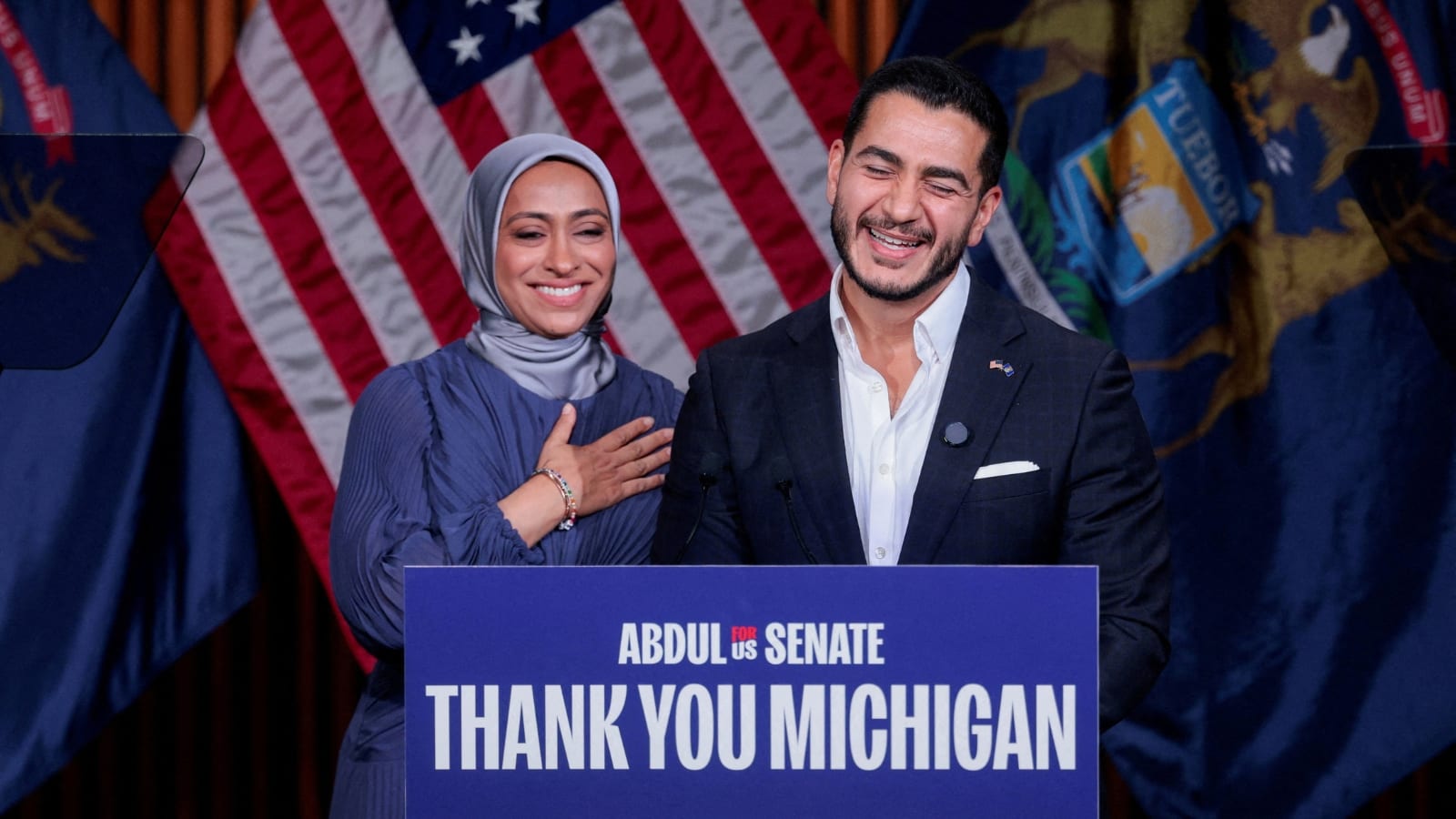
The recent US midterm elections offer a glimmer of hope for diversity, yet deep-seated intolerance persists across the ideological spectrum. True political reconciliation requires a fundamental shift in how Americans engage with opposing views.
The Mirage of Political Reconciliation
The recent discourse surrounding the aftermath of the United States midterm elections has sparked a critical debate regarding the health of American society. While initial reflections, such as those found in the editorial 'Retrieving common ground in America,' suggest a potential return to normalcy, a deeper examination reveals that this optimism may be premature. The core issue remains a persistent and multifaceted struggle with intolerance and fundamentalism that transcends simple partisan boundaries.
Beyond Partisan Rhetoric
It is essential to recognize that the challenges facing the American body politic are not confined to a single side of the aisle. The tendency to view intolerance as a phenomenon exclusive to one political camp ignores the systemic nature of the divide. By framing the problem as a localized issue, observers fail to address the broader cultural shift that has allowed extremism to permeate public discourse. A genuine assessment must acknowledge that both sides of the social spectrum have contributed to an environment where ideological rigidity often supersedes civil dialogue.
Redefining 'Common Ground'
Common ground is frequently misunderstood as a mere compromise on specific policy positions or legislative goals. However, as the context suggests, the crisis in American society is not merely about differing opinions on taxation, healthcare, or foreign policy. It is fundamentally about the methodology of engagement. True common ground requires a radical shift in how individuals perceive and interact with the 'other.' When the political arena transforms from a space for debate into a battlefield for existential dominance, the possibility for consensus evaporates.
The Dangers of Superficial Solutions
While the midterms provided key victories that bolster hopes for diversity and inclusion, these triumphs risk becoming a mirage if they are not accompanied by a deeper societal audit. If the electorate treats these results as the 'end' of a conflict rather than a temporary reprieve, they ignore the underlying rot of intolerance. Without addressing the root causes of this polarization, the nation remains vulnerable to future cycles of hostility, regardless of which party holds the majority in Congress.
Historical Context and Future Trends
Historically, American politics has always contended with factions, but the contemporary era is defined by a unique acceleration of digital silos and echo chambers. These tools have amplified fundamentalist tendencies, making it increasingly difficult to find a shared reality. Moving forward, the trend suggests that unless there is a conscious effort to rebuild the infrastructure of civil engagement, the institutional mechanisms of democracy will continue to be strained by the weight of mutual distrust. The path forward is not found in policy shifts alone, but in a behavioral revolution regarding how citizens treat those with whom they fundamentally disagree.