America’s renters are emerging as a political movement
Source Entity
Venessa Wong
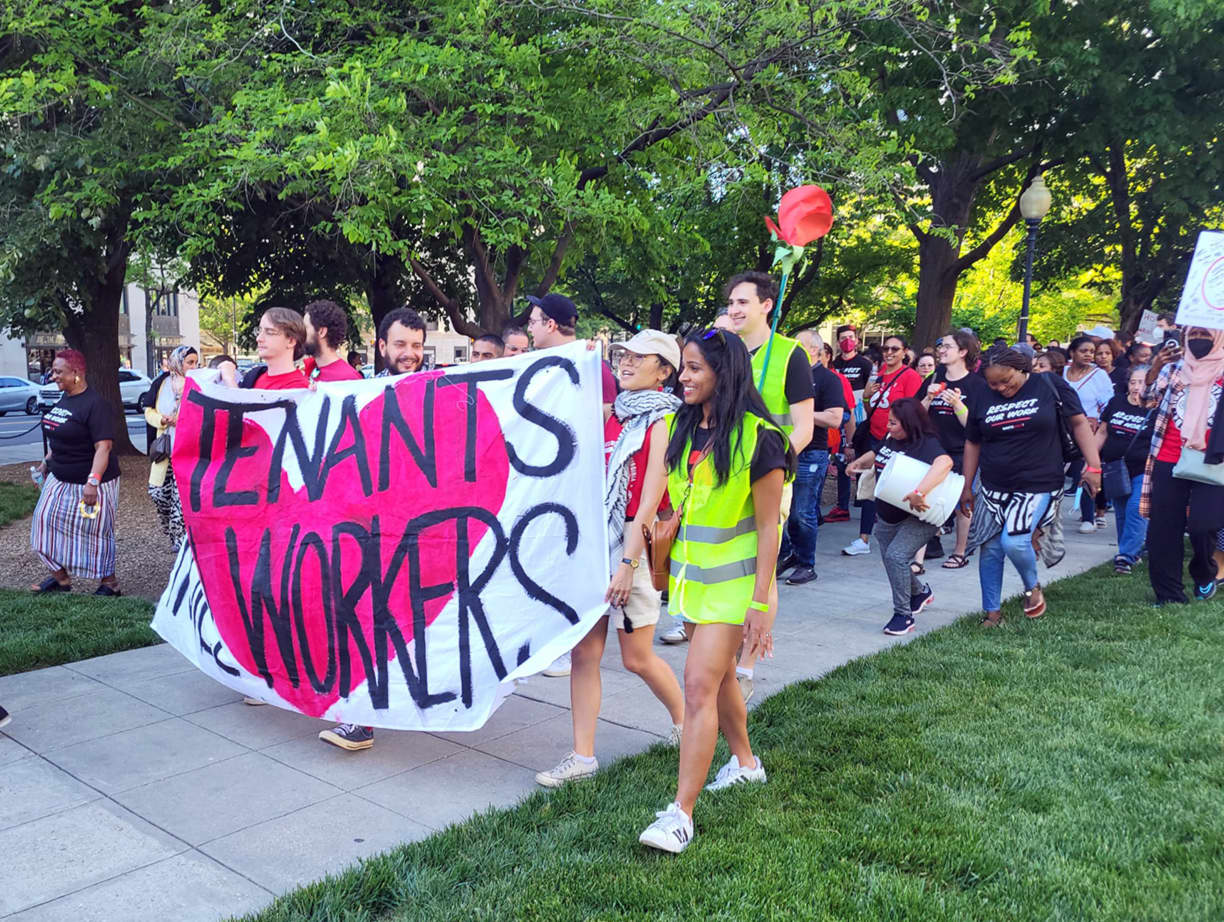
As housing affordability declines, young American renters are increasingly organizing into a political force. This shift is particularly impactful in swing states like Pennsylvania, where housing costs could influence the balance of power in Congress.
The Rise of the Renter Class in American Politics
For decades, the bedrock of the American Dream has been synonymous with homeownership. U.S. housing policy has historically been crafted to incentivize the purchase of property, often through tax breaks, subsidized mortgages, and zoning regulations that favor single-family homes. However, a structural shift is currently underway as a growing segment of the population, particularly young Americans, finds the path to ownership increasingly obstructed by climbing mortgage rates and rising home prices. This transition toward indefinite renting is no longer just an economic reality; it is evolving into a significant political movement.
Economic Pressures and the Affordability Gap
The economic data paints a stark picture of the challenges facing prospective homeowners and current renters alike. In Pennsylvania, a critical swing state for federal elections, the cost of living has outpaced income growth. According to data from Cotality, the percentage of median income required to rent a home has risen from 20% in 2019 to 22% today, while the burden for homeowners has jumped more significantly, from 18% to 24%. These figures illustrate that the 'housing ladder' is becoming increasingly difficult to climb, leaving many young voters feeling stranded in a cycle of rising costs without corresponding wage increases.
Political Implications in Swing Districts
The intersection of housing instability and electoral politics is perhaps most visible in Pennsylvania’s competitive U.S. House districts. As these regions play a pivotal role in determining which party controls the next Congress, the frustrations of the electorate are becoming a central theme. Candidates are being forced to reckon with a demographic that feels largely ignored by traditional housing policies. While these voters are deeply affected by inflation and the broader economy, there is a notable skepticism among young voters regarding whether political candidates have the solutions necessary to reverse these trends.
The Shift Toward Political Clout
As the prospect of homeownership diminishes for the younger generation, a new political identity—the 'renter'—is emerging. This cohort is moving away from the assumption that housing will eventually become affordable and is instead seeking to leverage political clout to demand systemic change. By organizing around the issue of rent control, housing supply, and tenant protections, these voters are challenging the long-standing political focus on homeowner-centric policies. This movement seeks to rewrite the social contract, ensuring that renters are no longer viewed as temporary occupants but as a permanent, influential voting bloc.
Future Trends and Legislative Challenges
Looking ahead, the tension between housing affordability and political representation is likely to intensify. If the current trajectory of rising costs continues, we can expect housing to become a defining issue in national campaigns. Future legislative efforts may need to pivot away from purely ownership-based incentives toward broader housing stabilization measures. Whether the next Congress can address the alienation felt by young voters will depend on their ability to move beyond rhetoric and implement policies that recognize the reality of a nation where renting is the new norm for millions of citizens.
Verification Required?