Gujarat Ex-Chief Minister's "Hang Them Publicly" Shocker Amid Poll Body Row
Source Entity
NDTV News Search Records Found 1000
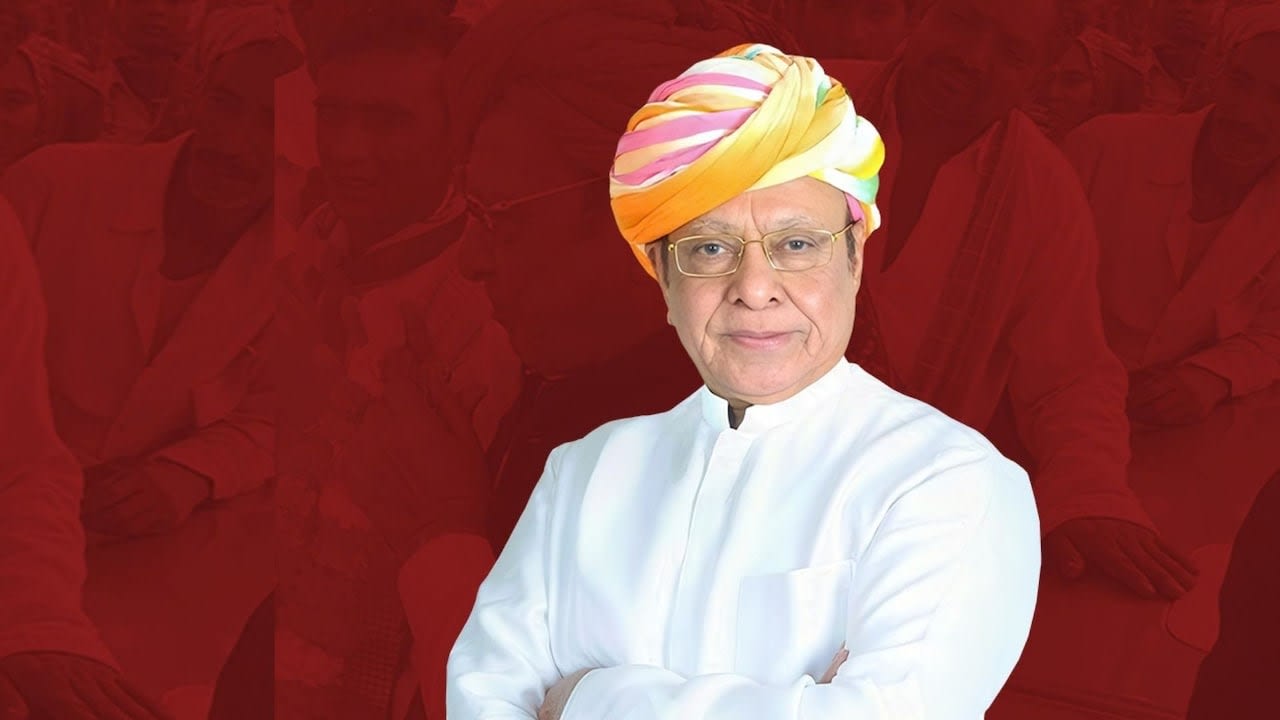
Former Gujarat Chief Minister Shankarsinh Vaghela has sparked controversy by suggesting public hangings amid a dispute involving the Election Commission. This provocative statement highlights ongoing tensions regarding electoral integrity and political rhetoric in India.
The Controversy Surrounding Shankarsinh Vaghela
Former Gujarat Chief Minister Shankarsinh Vaghela has recently ignited a firestorm of controversy with his aggressive rhetoric regarding the Election Commission. By suggesting that officials should be "hanged publicly" amid a row involving the poll body, Vaghela has bypassed standard political discourse, opting instead for inflammatory language that has drawn sharp criticism from across the political spectrum. This statement marks a significant escalation in the rhetoric directed toward constitutional authorities, reflecting a growing frustration among certain political factions regarding the perceived neutrality and efficacy of India's electoral oversight.
Contextualizing the Election Commission Row
The tension involving the Election Commission is not an isolated event but rather part of a broader, recurring discourse in Indian politics concerning the independence of autonomous institutions. Vaghela’s comments appear to be a direct reaction to specific grievances or rulings by the Election Commission that he perceives as biased or detrimental to political fairness. In the volatile landscape of Gujarat politics, such statements are often utilized to mobilize support bases by framing the electoral process as a struggle between political actors and institutional gatekeepers.
Historical Precedents and Political Rhetoric
Historically, Shankarsinh Vaghela has been a transformative figure in Gujarat, known for his unconventional political shifts and populist appeal. His career, which spans decades and multiple party alignments, is characterized by a tendency to challenge the status quo. By invoking extreme measures like public execution in his rhetoric, Vaghela is tapping into a tradition of hyper-aggressive political speech that aims to convey absolute urgency. However, such language risks undermining democratic decorum and sets a dangerous precedent for how public figures engage with constitutional bodies.
Broader Implications for Electoral Integrity
The implications of this rhetoric are profound, as they directly challenge the sanctity of the Election Commission, an institution that serves as the bedrock of Indian democracy. When high-profile leaders suggest violence against constitutional officials, it erodes public trust in the mechanisms that ensure free and fair elections. This type of discourse can embolden fringe elements and create an environment of hostility that complicates the peaceful transition of power and the impartial administration of electoral law.
Predicting Future Trends
Moving forward, it is likely that political parties will continue to grapple with the tension between aggressive campaigning and the necessity of upholding institutional respect. If rhetoric like that employed by Vaghela becomes normalized, we may see a tightening of the Model Code of Conduct or stricter legal interventions by the Election Commission to curb hate speech and incitement. The political climate in Gujarat, specifically, remains highly sensitive, and this incident will likely serve as a focal point for future debates on the limits of free speech for elected officials and former state leaders.
Conclusion
In summary, Shankarsinh Vaghela’s recent remarks represent a volatile intersection of personal political frustration and the larger, ongoing debate over institutional autonomy in India. While his comments are reflective of the high-stakes nature of Gujarat’s electoral environment, they also highlight the fragility of democratic discourse. As the political landscape evolves, the balance between holding institutions accountable and maintaining the decorum required for a stable democracy will remain a critical challenge for all stakeholders involved.
Verification Required?