Not part of INDIA bloc, BJD issues long clarification
Source Entity
India Latest News: Top National Headlines Today & Breaking News | The Hindu
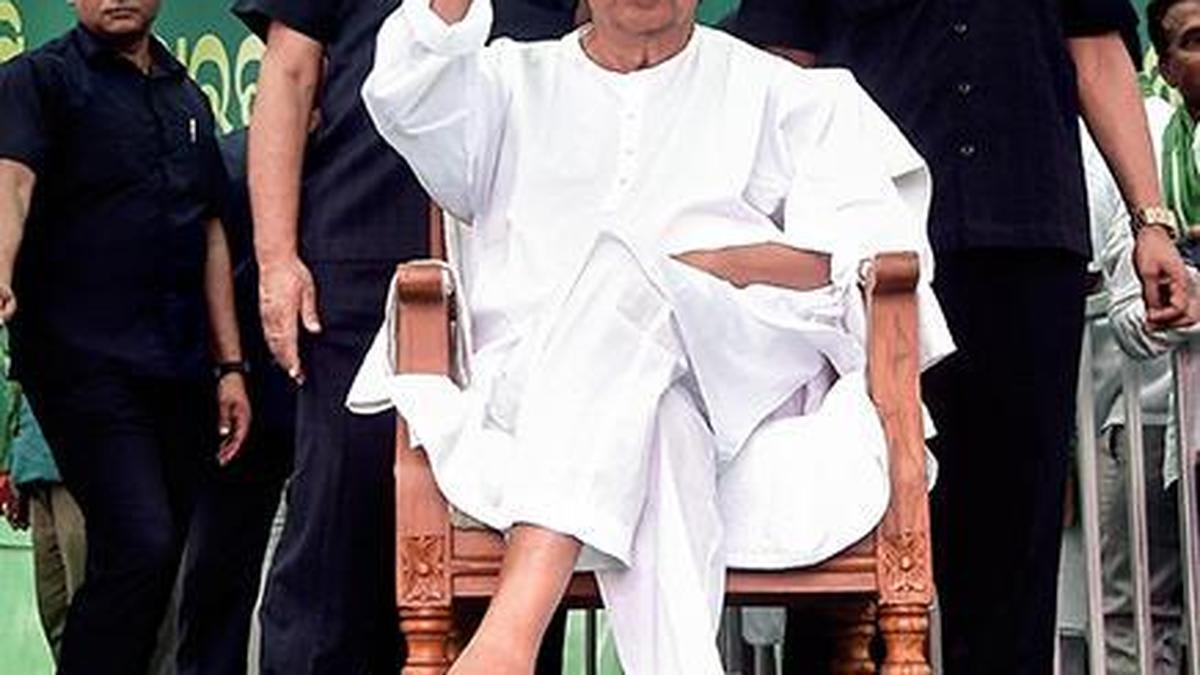
The Biju Janata Dal (BJD), led by Naveen Patnaik, recently joined an opposition protest in Delhi against the Chief Election Commissioner regarding electoral roll irregularities. Despite this alignment, the BJD clarified it is not part of the INDIA bloc, marking a strategic shift in its policy of equidistance.
A Strategic Shift in Odisha Politics
The political landscape in India witnessed a notable development as the Biju Janata Dal (BJD), led by former Odisha Chief Minister Naveen Patnaik, participated in an opposition protest march in New Delhi. This move marks a significant departure from the party's long-standing policy of maintaining equidistance from both the Bharatiya Janata Party (BJP) and the Congress-led opposition. By joining forces with the INDIA bloc to protest against the alleged arbitrary actions of Chief Election Commissioner Gyanesh Kumar, the BJD has signaled a recalibration of its national political strategy.
The Catalyst: Electoral Roll Controversies
The core of the protest centers on the Special Intensive Revision (SIR) of electoral rolls. The BJD has raised serious concerns regarding the deletion of names, citing the exclusion of over 20 lakh voters in Odisha and an estimated 13 crore voters nationwide. This protest represents a direct challenge to the Election Commission's procedural handling of voter data, with Naveen Patnaik himself demanding the resignation of the CEC and a comprehensive review of the SIR exercise to ensure democratic integrity.
Breaking the Equidistance Policy
Historically, the BJD has meticulously maintained a neutral stance, avoiding formal alliances with either the ruling party or the primary opposition. However, the BJD's recent decision to share a public political platform with Congress leaders signifies a shift in this approach. Tensions with their former ally, the BJP, which have been strained since last year, appear to have pushed the BJD toward a more assertive role as an opposition party on the national stage, even while attempting to maintain its distinct identity.
Clarifying the Alliance Status
Despite the optics of the protest, the BJD has been quick to clarify that it remains independent of the INDIA bloc. This move reflects a delicate balancing act; the party aims to register its protest against specific electoral grievances without formally committing to a broader coalition. For the BJD, the participation is framed as a matter of being a "responsible Opposition party" rather than a sign of ideological merger with the Congress or other alliance members.
Broader Implications for Indian Democracy
The involvement of a powerful regional entity like the BJD in national-level protests regarding the Election Commission highlights growing concerns over the transparency of electoral processes. As the party seeks to protect its electoral base in Odisha, this alignment suggests that the BJD is willing to leverage national platforms to address issues that directly impact its state's political landscape. Whether this signifies a temporary tactical alliance or a permanent shift in the BJD’s national trajectory remains a subject of intense political speculation.
Future Trends and Conclusion
Looking ahead, the BJD's move to challenge the Election Commission indicates that the party will likely continue to prioritize its regional interests while navigating a polarized national political environment. The shift away from strict equidistance suggests that the BJD is preparing to be more vocal in its opposition to central policy decisions that it deems detrimental to its interests. As the protest against the SIR exercise gains momentum, the BJD's role will be closely watched by observers to see if this newfound cooperation with the opposition evolves into a more sustainable political partnership.
Multiple Citing Sources
Verification Required?