Exclusive | OMG 2: Amit Rai questions Paresh Rawal's claims of not getting credit for film's idea: Kis aadhaar pe…?
Source Entity
Latest News: Today's Latest News Headlines from India & World | Hindustan Times | Hindustan Times
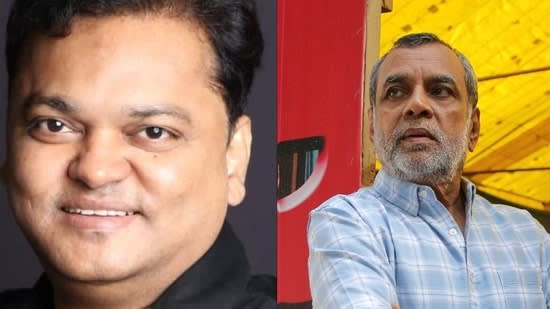
Director Amit Rai has publicly refuted actor Paresh Rawal's claims that he originated the idea for the film 'OMG 2'. The disagreement highlights a dispute over creative authorship and professional credit regarding the successful sequel.
Creative Conflict: The Dispute Behind 'OMG 2'
The recent public disagreement between director Amit Rai and veteran actor Paresh Rawal regarding the conceptual origins of the film OMG 2 has sparked a debate about creative ownership in the Indian film industry. Amit Rai, the director of the sequel, has explicitly challenged Paresh Rawal’s assertion that the film was his original idea and that he failed to receive adequate acknowledgment for it. This clash underscores the often opaque nature of script development and credit attribution in high-profile Bollywood productions.
The Director's Stance
Amit Rai’s response has been one of firm denial, questioning the factual basis of Rawal’s public statements. By asking, "Wo kis tathya ke adhaar pe ye keh rahe hai?" (On what factual basis is he saying this?), Rai is demanding transparency. He emphasizes that as the director, he considers the film his own intellectual creation, comparing the entire process of development—from conception to the final product—to the nurturing of a child. Rai’s frustration stems from a desire to protect his professional integrity and his role as the primary architect of the film's narrative journey.
The Weight of Stature and Public Claims
In the entertainment industry, the power dynamic between a director and a veteran actor of Paresh Rawal’s stature often complicates public disputes. Rai acknowledged this disparity, noting that while Rawal is a senior figure, the director feels compelled to defend his creative contribution against what he perceives as unfounded claims. This situation highlights how professional relationships can fray when the narrative of a film's success is contested by those involved, particularly when the discourse shifts from collaborative effort to individual ownership.
Broader Implications for Creative Credits
This dispute touches upon a wider issue in the film industry regarding how credit is assigned to writers, creators, and actors. In many cases, the lines between a collaborative suggestion and a formal "story idea" become blurred over time. When public figures make conflicting claims about who "birthed" a project, it can lead to public confusion and damage the reputation of the collaborative team. The OMG 2 controversy serves as a case study for the necessity of clear, documented agreements regarding creative contributions at the start of a production cycle.
Historical Context and Future Trends
Historically, Bollywood has seen numerous disputes over screenplay and story credits, often leading to legal interventions or public fallout. As the industry moves toward more structured professional standards, incidents like this suggest a growing need for transparent documentation of contributions. The future of film production will likely rely on more rigid contract terms that define the roles of creative leads to prevent such public disputes, which can detract from the commercial and critical success of a project.
Conclusion
Ultimately, the disagreement between Amit Rai and Paresh Rawal remains an unresolved conflict of perspective. While Rawal feels his initial input was undervalued, Rai maintains that he was the sole force behind the film's development. Without external evidence or a neutral mediation of the creative process, the truth remains trapped in the personal recollections of the two parties, serving as a cautionary tale for the industry on the importance of acknowledging collaborative contributions early and clearly.
Verification Required?