Amit Shah chairs meet over Odisha-Chhattisgarh Mahanadi water dispute: Key takeaways
Source Entity
Latest News: Todays Latest News Headlines from India & World | Hindustan Times | Hindustan Times
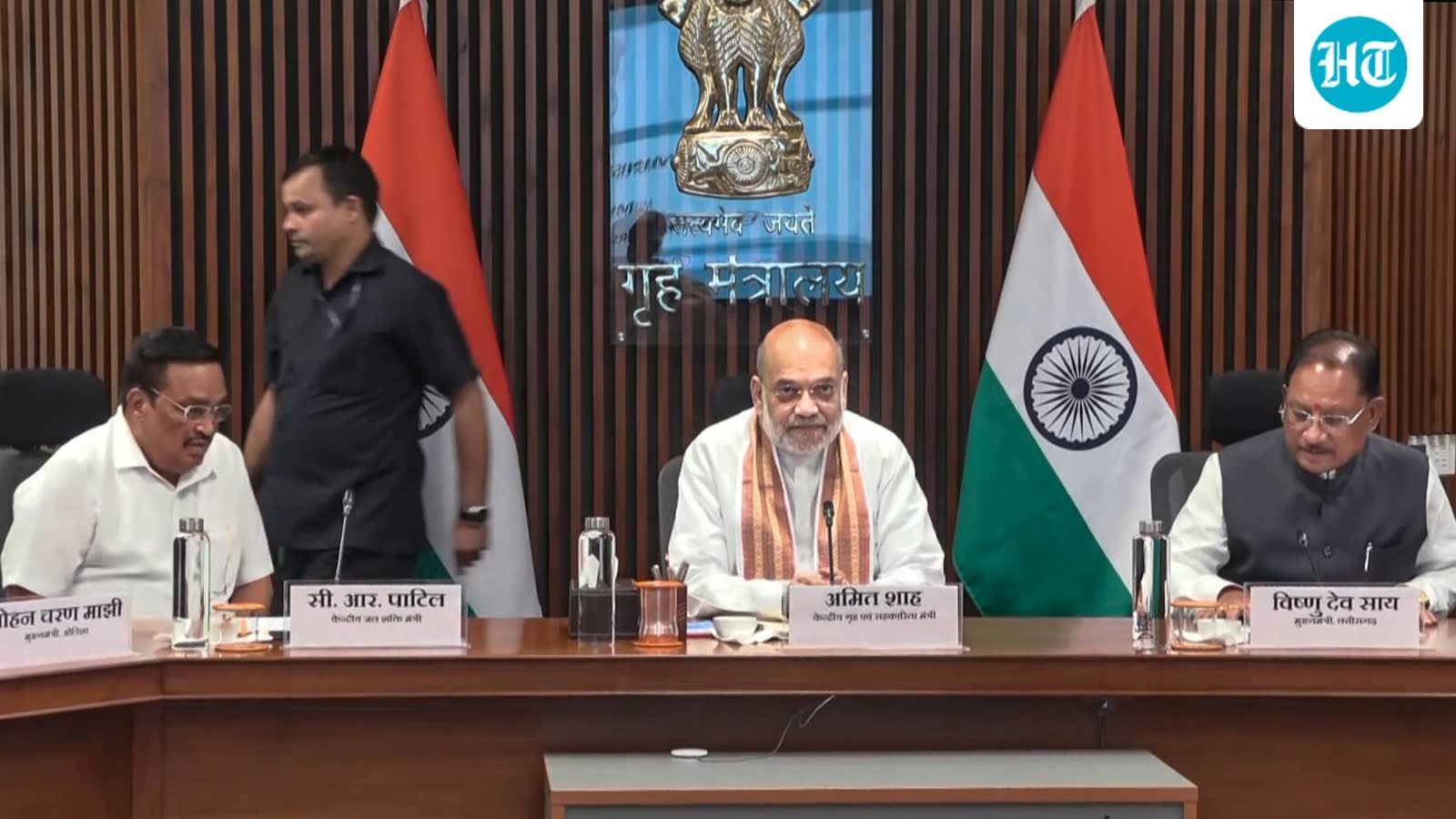
Union Home Minister Amit Shah has convened a high-level meeting with the Chief Ministers of Odisha and Chhattisgarh to resolve the decade-long Mahanadi water-sharing dispute. Both states have expressed commitment to an amicable solution guided by the Central Water Commission's technical expertise.
The Mahanadi Water Dispute: Seeking a Path to Resolution
For over a decade, the Mahanadi River has been the focal point of a complex inter-state water-sharing dispute between the neighboring states of Odisha and Chhattisgarh. The river, a lifeline for millions, has seen its management become a point of contention regarding usage rights and upstream versus downstream interests. The recent intervention by Union Home Minister Amit Shah marks a significant shift toward high-level federal mediation aimed at settling these long-standing grievances.
The Role of Federal Mediation
The meeting in New Delhi, chaired by Amit Shah and attended by Union Jal Shakti Minister C.R. Patil, underscores the central government's active role in facilitating dialogue. By bringing Odisha Chief Minister Mohan Charan Majhi and Chhattisgarh Chief Minister Vishnu Deo Sai to the same table, the federal government is attempting to move beyond political posturing. This collaborative approach focuses on leveraging the technical authority of the Central Water Commission (CWC) to provide an objective framework for water distribution.
Building on Technical Consultations
This latest discussion builds upon the progress made during a previous meeting held on July 30, 2026, where both states initially agreed to continue technical-level deliberations. The continuity of these talks suggests a genuine shift toward a data-driven resolution. Both CMs have emphasized their willingness to comply with recommendations provided by the CWC, signaling that technical assessment, rather than political rhetoric, will be the primary driver of the final settlement.
The Timeline for Progress
Odisha Chief Minister Mohan Charan Majhi has expressed optimism, noting that the resolution process is "moving closer to a solution." With the original timeline set for a three-month window following the July meeting, officials are currently at the two-month mark. The cordial atmosphere reported during the recent sessions suggests that the involved parties are prioritizing regional stability and resource management over prolonged conflict.
Broader Implications and Future Trends
Resolving the Mahanadi dispute is critical not only for the two states but for the broader governance of India’s interstate river systems. The successful application of CWC-led technical consultations could serve as a template for other similar disputes across the country. As water scarcity becomes a more pressing concern globally, the ability of Indian states to reach amicable, science-based agreements is essential for sustainable development and the maintenance of cooperative federalism.
A Commitment to Sustainability
Ultimately, the goal remains a fair and sustainable distribution of water that respects the needs of both Chhattisgarh and Odisha. By adhering to the expertise of the CWC and maintaining open lines of communication, the two states are demonstrating a mature approach to crisis management. The coming weeks will be pivotal as the parties work to finalize the details of a settlement that balances the economic and agricultural requirements of both regions.
Verification Required?