Demography panel’s questionnaire an extension of Sangh Parivar’s divisive agenda: Pinarayi
Source Entity
India Latest News: Top National Headlines Today & Breaking News | The Hindu
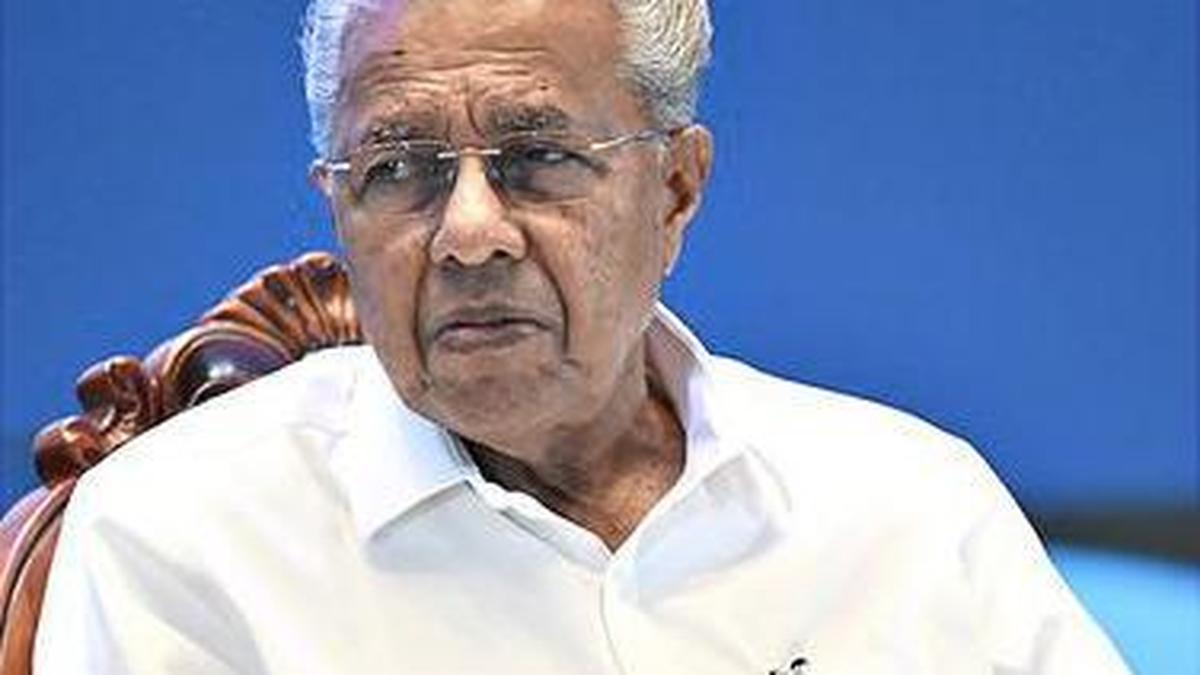
The Ministry of Home Affairs has tasked a high-level committee with analyzing demographic changes, prompting a 35-point data request to states. The move faces intense political backlash, with critics labeling the religion-specific data collection as a divisive agenda.
The HLCDC Mandate and Demographic Inquiry
The Ministry of Home Affairs (MHA) has initiated a significant administrative undertaking by constituting the High-Level Committee on Demographic Changes (HLCDC), chaired by retired Supreme Court judge Prakash Prabhakar Naolekar. Formed on May 26, the committee’s primary objective is to investigate demographic shifts attributed to illegal immigration and other factors deemed 'abnormal.' Beyond mere observation, the committee is tasked with recommending institutional mechanisms for 'population stabilization,' a mandate that carries profound implications for national policy and social governance.
The 35-Point Questionnaire
Central to the committee’s operation is a 35-point questionnaire distributed to State governments, as reported on September 28, 2026. This instrument seeks granular data covering the past 15 years, specifically disaggregated by district and religion, including Hindus, Muslims, Christians, Sikhs, Buddhists, and Parsis. The inquiry spans various facets of public life, including birth registrations, school enrollment, ration cards, vehicle registrations, and property transactions, alongside requests to identify irregular spikes in Aadhaar and voter ID registrations.
Political Polarization and Opposition
The methodology of the HLCDC has ignited a sharp political debate. Pinarayi Vijayan, Leader of the Opposition, has publicly condemned the questionnaire, characterizing it as a 'dangerous extension' of the Sangh Parivar’s agenda. By framing the request for religion-wise data as a tool for communal polarization, critics argue that the exercise risks marginalizing specific communities rather than serving as a neutral demographic study. The political fallout is further complicated by allegations of inaction, with some leaders questioning the silence of certain state administrations regarding these federal directives.
Institutional and Social Implications
The request for data on 'forged identity documents' and 'unusual increases' in official registrations suggests a focus on the intersection of migration and national security. By linking demographic monitoring to the identification of illegal activities, the MHA is positioning this committee as a key player in domestic border and identity management. However, the reliance on religion-wise categorization invites scrutiny regarding the constitutional right to privacy and the potential for these findings to influence future legislative debates on population control.
Historical Context and Future Trends
This initiative reflects a broader trend of state-led efforts to quantify and categorize the populace through the lens of religious identity. Historically, such exercises have served as precursors to major policy shifts regarding citizenship, welfare distribution, and immigration enforcement. As the HLCDC proceeds with its work, the tension between federal data collection mandates and the cooperative federalism required by state governments will likely remain a focal point of national political discourse, potentially setting a precedent for how demographic data is utilized in future governance.
Verification Required?