‘Anti-India Summit’: BJP accuses Rahul of providing platform to anti-India forces in Hyderabad
Source Entity
India Latest News: Top National Headlines Today & Breaking News | The Hindu
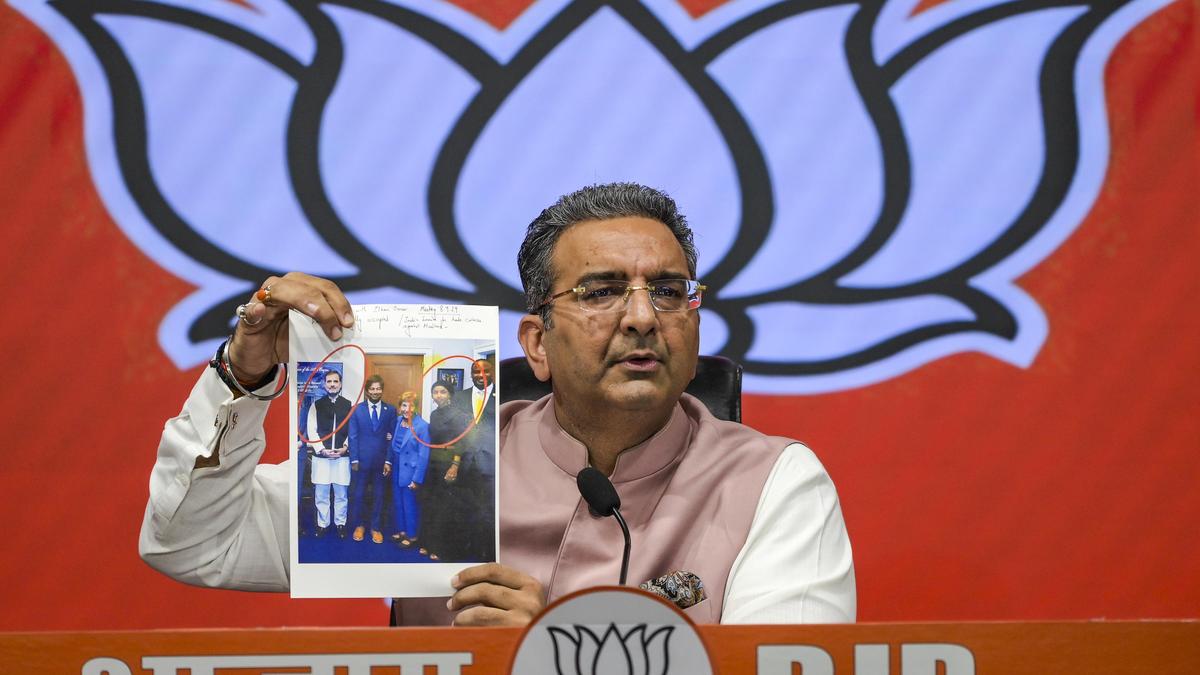
Union Home Minister Amit Shah and the BJP have accused Rahul Gandhi of orchestrating an 'Anti-India' agenda through the Bharat Summit 2026. The criticism centers on the participation of international figures and claims that Gandhi is attempting to tarnish India's global reputation.
The Bharat Summit Controversy: A Political Clash
The political discourse in India has intensified following the 'Bharat Summit 2026' held in Hyderabad on November 14, 2026. The event, hosted by the Congress party, has drawn sharp condemnation from the Bharatiya Janata Party (BJP), with top leadership, including Union Home Minister Amit Shah, accusing Leader of the Opposition Rahul Gandhi of fostering an 'Anti-India' agenda. This confrontation highlights the deep-seated ideological divide between the ruling party and the opposition regarding how India’s domestic challenges should be addressed on international platforms.
Accusations of Defamation and Instability
BJP spokesperson Gaurav Bhatia labeled the event an 'Anti-India Summit,' alleging that Rahul Gandhi is actively conspiring to bring instability to the nation. The core of the BJP's grievance lies in the perception that Gandhi uses foreign platforms and international guests—specifically citing the participation of Giacomo Filibeck, secretary general of the Party of European Socialists—to mock the Indian democratic mandate. The BJP asserts that these actions are not merely political dissent but a calculated effort to tarnish the country's image globally.
Amit Shah’s Critique of Political Frustration
Union Home Minister Amit Shah addressed the controversy during a ceremony in Pune, characterizing the Congress's actions as a manifestation of frustration over successive electoral losses. According to Shah, the Congress has been struggling for the last three years to regain political ground, and these summits are perceived as a diversionary tactic. He explicitly advised Gandhi to shift his focus from foreign visits to engaging with rural India if he hopes to regain voter trust and return to power.
The Battle for National Narrative
The BJP’s strategic response reflects a broader trend of framing political opposition as a threat to national interest. By positioning the Bharat Summit as a conduit for 'anti-India forces,' the BJP aims to consolidate its nationalist base while discrediting the Congress party’s outreach efforts. This tactic serves to define the boundaries of acceptable political discourse, particularly when international actors are involved in domestic policy debates.
Broader Implications and Future Trends
This incident underscores the increasingly polarized nature of Indian politics, where international optics have become a primary battlefield. As the political cycle continues, it is likely that the BJP will continue to leverage these incidents to portray the Congress as out of touch with the grassroots reality of the country. Conversely, the Congress party’s reliance on international forums to voice concerns suggests a belief that external pressure and global dialogue are essential components of their opposition strategy. Future trends suggest that these clashes will likely intensify, with both sides utilizing media and public platforms to control the narrative of India's democratic health both at home and abroad.
Multiple Citing Sources
Verification Required?