Punjab will be ‘chitta-mukt (drug-free)’ by December 31, 2029: Amit Shah
Source Entity
Anju Agnihotri Chaba
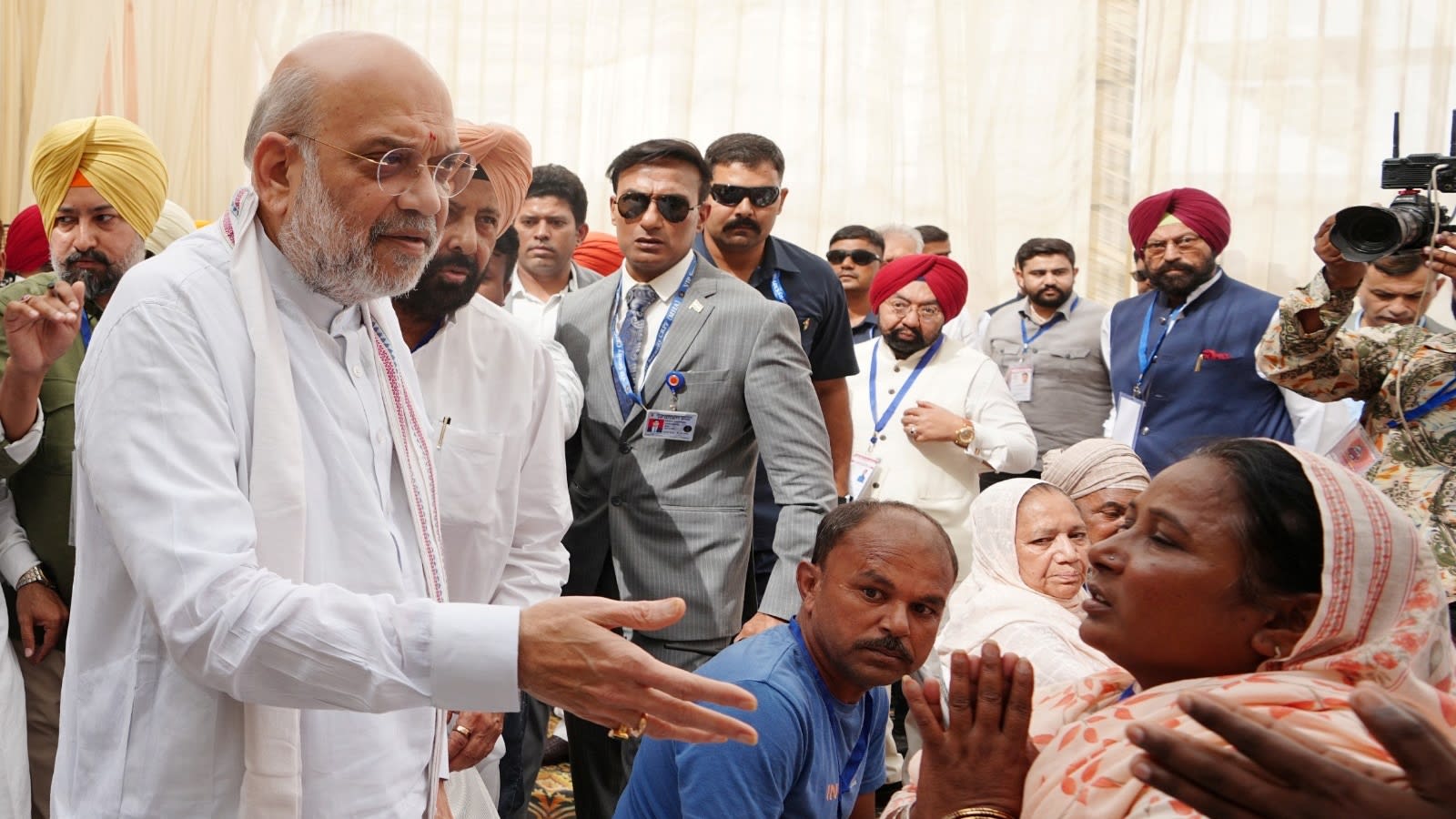
Union Home Minister Amit Shah has pledged to make Punjab drug-free by December 31, 2029, centering the BJP's 2027 election campaign on this issue. The ruling AAP party has challenged this promise by highlighting recent large-scale drug seizures.
Amit Shah Sets 2029 Deadline for a Drug-Free Punjab
Union Home Minister Amit Shah has officially set a definitive timeline for addressing the persistent drug crisis in Punjab, pledging to make the state 'chitta-mukt' (drug-free) by December 31, 2029. This announcement, made during the conclusion of the 13-day 'Nasha Mukt Punjab Yatra' in Jalandhar, marks a significant escalation in the Bharatiya Janata Party's (BJP) strategic approach to the upcoming 2027 Punjab Assembly elections. By anchoring such a high-stakes promise to a specific calendar date, the BJP is attempting to transform a long-standing social grievance into a defining electoral platform.
Emotional Appeals and Political Strategy
Beyond the logistical framework of the pledge, Amit Shah utilized an emotional appeal, specifically addressing the families and mothers who have suffered the devastating consequences of addiction. This rhetoric is designed to resonate with a constituency that has grown disillusioned by the cycle of substance abuse. By prioritizing this issue over others such as farming, industry, and unemployment, the BJP is signaling a shift in its Punjab strategy, aiming to position itself as the sole party capable of restoring order and security to the region.
The Challenge of Enforcement
Shah’s commitment includes a stringent promise that after the 2029 deadline, the substance known as 'chitta' will neither be sold within Punjab nor be allowed to transit through the state. This implies a massive overhaul of border security and internal law enforcement protocols. Given Punjab’s geographical position as a border state, controlling the flow of narcotics requires not only state-level policy but also seamless coordination with federal agencies to stem the supply chain at its source.
Opposition Pushback and Accountability
Predictably, the ruling Aam Aadmi Party (AAP) has met these promises with skepticism, shifting the focus to recent law enforcement data. The AAP has challenged the Home Minister by pointing to the recent seizure of 526 kg of heroin and methamphetamine, valued at over Rs 3,000 crore. This counter-narrative suggests that the opposition intends to hold the BJP accountable for current federal border controls rather than allowing the discourse to center solely on future campaign promises.
Broader Implications and Future Trends
This political sparring sets the stage for a highly polarized 2027 election cycle. As the BJP attempts to leverage the 'Nasha Mukt' initiative to gain ground in a state where it has traditionally struggled, the success or failure of this campaign will likely hinge on the tangibility of results. If the public perceives the drug crisis as a failure of both state and federal oversight, the discourse will likely evolve into a debate over administrative competence versus populist rhetoric. The coming years will be critical in determining whether the 2029 deadline acts as a catalyst for genuine policy reform or merely as a tactical political maneuver.
Multiple Citing Sources