When Amitabh Bachchan broke his silence about ‘damaging’ Rekha rumours: ‘A big joke’
Source Entity
The Indian Express
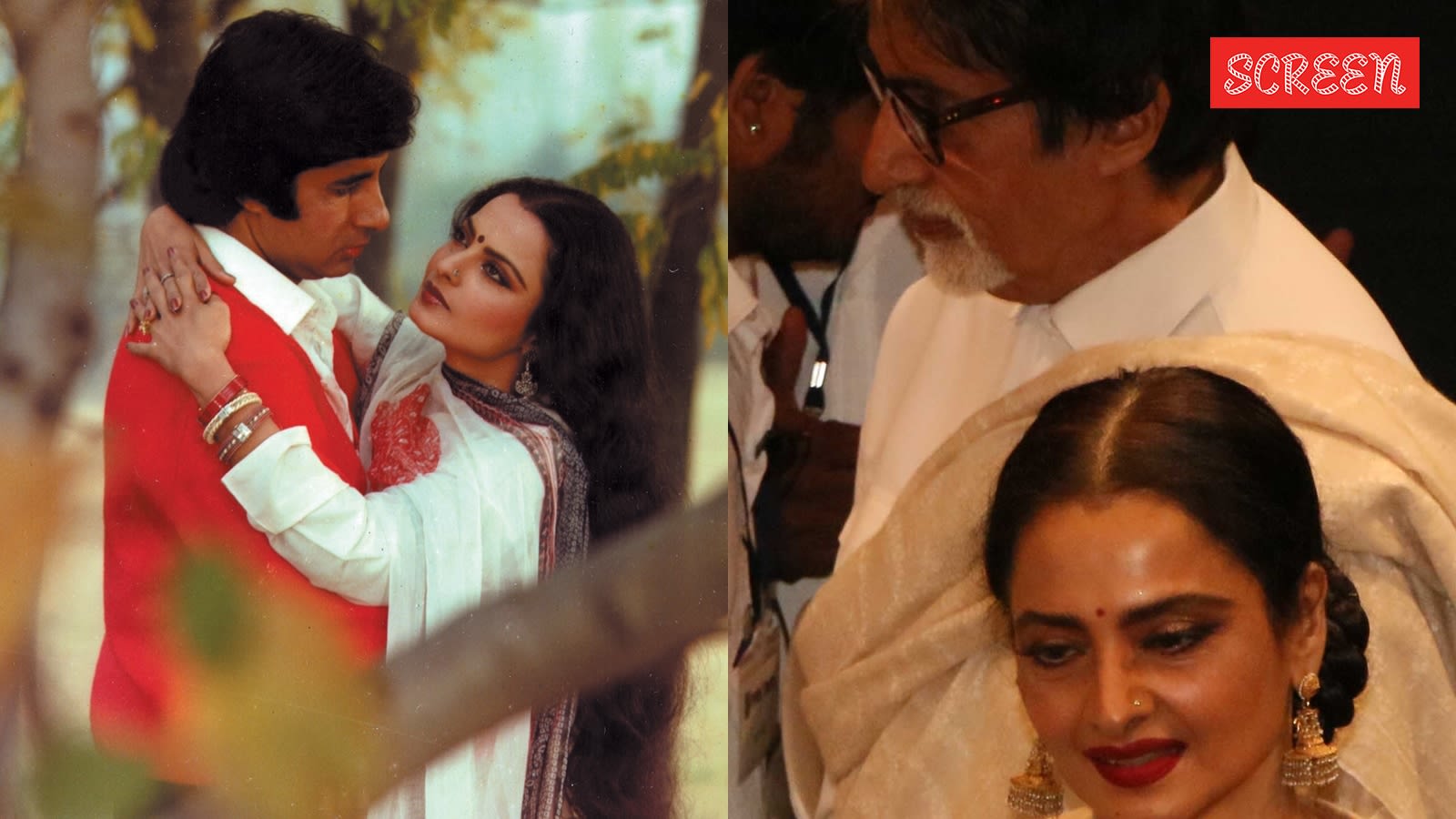
Amitabh Bachchan’s mid-1970s superstardom was marked by media boycotts and intense personal scrutiny regarding his relationship with Rekha. Modern retrospectives, particularly by Gen Z viewers, continue to analyze the complex real-life dynamics reflected in films like Silsila.
The Intersection of Stardom and Public Scrutiny
The mid-1970s marked a transformative period for Amitabh Bachchan, as his rapid ascent to superstardom coincided with a volatile relationship with the Indian media. This era was defined by intense political and social pressures, most notably his family's association with the then-Prime Minister Indira Gandhi during the Emergency. Because his father, the poet Harivansh Rai Bachchan, publicly supported the government, Bachchan found himself at the center of a media firestorm that eventually led to a collective boycott by prominent film magazines. This defensive posture adopted by both the actor and the press set the stage for a decade of highly speculative reporting.
The Rekha-Bachchan Narrative
In this climate of hostility and restricted access, gossip columns flourished, often focusing on the alleged relationship between Amitabh Bachchan and his frequent co-star, Rekha. Having collaborated on iconic films such as Do Anjaane, Muqaddar Ka Sikandar, and Silsila, their on-screen chemistry became a focal point for public obsession. Despite Bachchan’s attempts to dismiss these rumors as a "big joke," the narrative persisted, fueled by the stark contrast between his established marriage to Jaya Bachchan and the palpable intensity of his professional pairings with Rekha.
Retrospective Analysis: The Gen Z Lens
Decades later, the fascination with this "love triangle" persists, as evidenced by modern cultural critiques. Recent viewings of Yash Chopra’s 1981 film Silsila by younger generations highlight how the real-life intrigue surrounding the trio continues to color the perception of the work. For contemporary audiences, Silsila serves as a lens through which to examine themes of social duty, sacrifice, and the complexities of extramarital dynamics, proving that the film remains a significant cultural touchstone precisely because of the personal history embedded within its production.
The Foundation of the Bachchan Marriage
Understanding the weight of these rumors requires looking back at the early foundation of the relationship between Amitabh and Jaya Bachchan. Meeting during their time at the Film and Television Institute of India (FTII) and later on the sets of Guddi, the couple shared an early awareness of their connection. Jaya Bachchan once characterized Amitabh as an "introverted" and "hypersensitive" individual, noting that even in their early days, she sensed a "danger" in his ability to command authority. This dynamic, where Jaya acknowledged his power to dictate terms in their relationship, provides crucial context for how they navigated the intense pressures of fame and external scrutiny throughout the decades.
Legacy and Cultural Impact
Ultimately, the enduring nature of these stories speaks to the monumental status of Amitabh Bachchan in Indian cinema. The intersection of his political controversies, his professional choices, and his personal life created a public persona that was as debated as it was revered. While the rumors of the 1970s and 80s were often dismissed by the actor, they became an inseparable part of the cinematic folklore that continues to inform how audiences consume and interpret his filmography today. The evolution from a media-boycotted star to a national icon demonstrates the resilience of his career against the backdrop of constant personal interrogation.