Amitabh Bachchan wasn’t an ‘easy boyfriend’, Jaya saw ‘danger’: ‘Introverted, hypersensitive’
Source Entity
The Indian Express
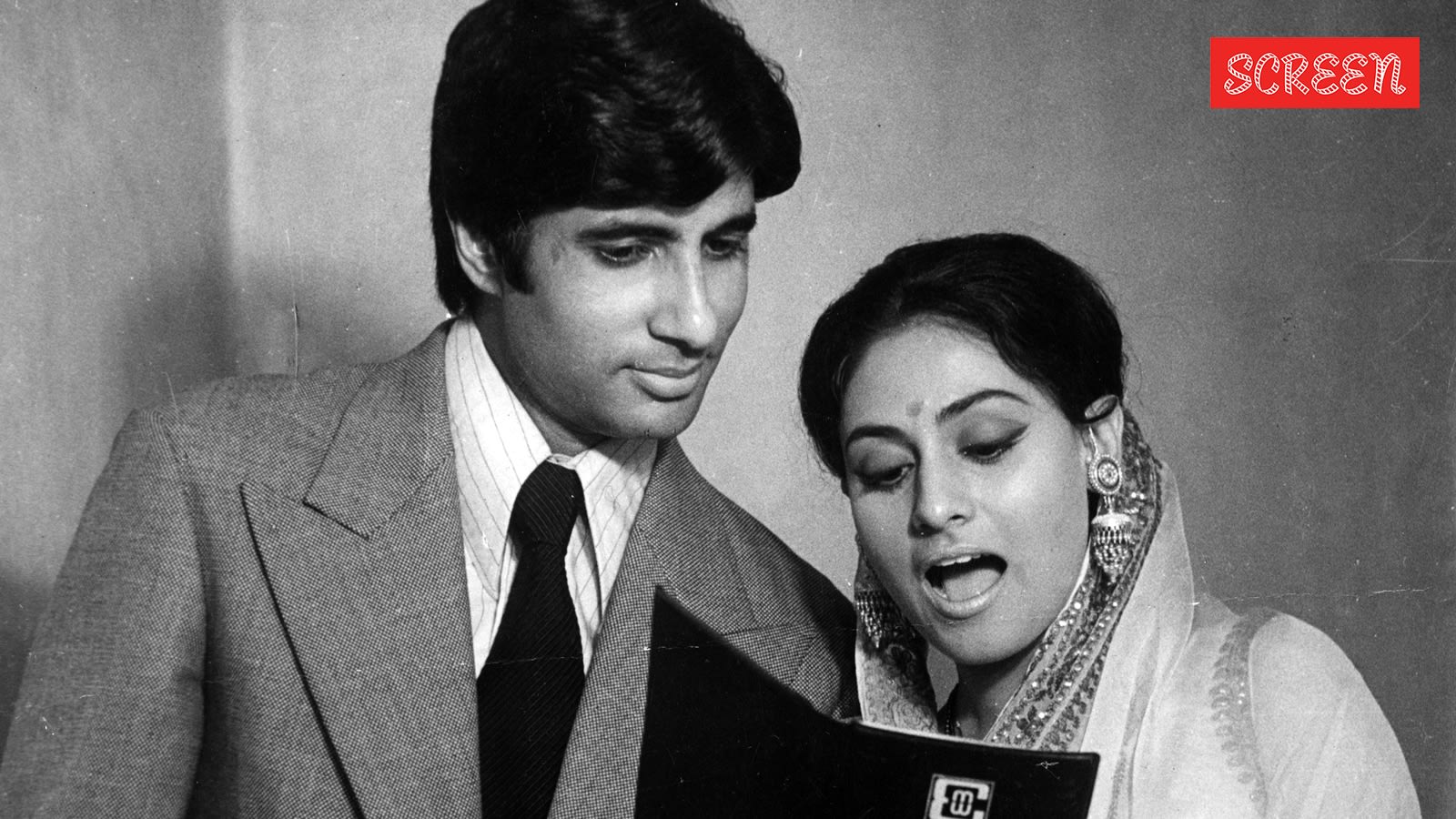
Amitabh Bachchan's legendary career in the 1970s was marked by intense media scrutiny, including rumors regarding his co-star Rekha. These historical tensions and complex personal dynamics continue to fascinate modern audiences, as evidenced by contemporary re-evaluations of films like Silsila.
The Intersection of Stardom, Scandal, and Media Friction
The ascent of Amitabh Bachchan to superstardom in the mid-1970s did not occur in a vacuum; it was a period defined by intense political upheaval and shifting cultural norms. As Bachchan rose to prominence, his public image became inextricably linked to the political climate of the era. His father, the renowned poet Harivansh Rai Bachchan, openly supported Prime Minister Indira Gandhi during the Emergency, a stance that drew significant scrutiny toward the actor. This political association strained his relationship with the press, leading to a period where film magazines actively boycotted him, and the actor retaliated by withdrawing from media interactions entirely.
The Nexus of Gossip and Cinema
Within this atmosphere of hostility and isolation, the media turned its lens toward Bachchan’s personal life, fueling persistent rumors about his relationship with co-star Rekha. Having collaborated on iconic films such as Do Anjaane, Muqaddar Ka Sikandar, and Silsila, the pair became the subject of intense public fascination. For Bachchan, who was already married to Jaya Bachchan, these rumors were framed as a 'big joke'—a deflection used to navigate the invasive nature of 1970s and 80s tabloid journalism that sought to blur the lines between on-screen chemistry and off-screen reality.
The 'Silsila' Phenomenon: A Gen Z Perspective
Decades later, the intrigue surrounding the Bachchan-Jaya-Rekha dynamic remains a point of cultural study. The 1981 Yash Chopra-directed classic, Silsila, serves as a focal point for this enduring curiosity. Modern audiences, including Gen Z viewers, continue to revisit the film to decipher the themes of love, social duty, and extramarital affairs that mirror the real-life speculation surrounding the cast. The film represents a unique intersection where artistic performance and personal history collide, offering a window into the societal expectations of duty and sacrifice that defined the era.
Understanding the Dynamics of the Bachchan Marriage
Deepening the narrative of this period is the perspective of Jaya Bachchan, who recognized the complexities of Amitabh's persona early on. First meeting at the Film and Television Institute of India (FTII), Jaya identified him as an 'introverted' and 'hypersensitive' man. Even as a student, she perceived a certain 'danger' in his personality—the ability to 'dictate' or hold authority over her. Their partnership, cemented on the set of Hrishikesh Mukherjee’s Guddi, was built on a mutual understanding of these character traits. Jaya’s admission that she allowed him to have that authority suggests a profound, if complex, psychological bond that predated their massive fame.
Concluding Reflections on Legacy
Ultimately, the legacy of this era is defined by the tension between the public persona and the private individual. Amitabh Bachchan’s ability to withstand both political boycotts and relentless tabloid rumors speaks to the resilience required to maintain a career at such an elite level. As contemporary audiences continue to analyze these historical records, the narrative remains one of complex human relationships unfolding under the harsh glare of constant public and media observation. The enduring nature of these stories confirms that the intersection of celebrity, politics, and personal life remains a potent force in Indian cinema history.
Multiple Citing Sources