Amul Milk Prices To Go Up By Rs 2-4 Per Litre From Tomorrow
Source Entity
NDTV News Search Records Found 1000
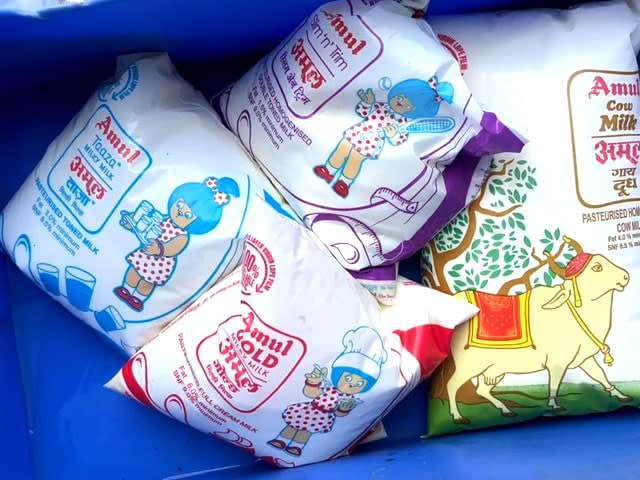
Major dairy cooperatives Amul and Mother Dairy have increased milk prices by ₹2-4 per litre starting November 12, 2026. The hike is attributed to rising procurement costs paid to farmers and overall increases in operational input costs.
Impact of Rising Dairy Costs on Consumers
Starting November 12, 2026, consumers in the Delhi-NCR region and beyond are facing a notable increase in the cost of daily essentials as both Amul and Mother Dairy have announced price hikes of ₹2-4 per litre for their liquid milk variants. This adjustment follows a period of relative price stability for Mother Dairy, which had not adjusted its rates since May 14, 2026, following a previous revision in April 2025. These collective movements reflect a broader trend of inflationary pressure within the agricultural and food processing sectors.
The Drivers of Price Escalation
The primary catalyst for this price hike is the rising cost of milk procurement. Dairy cooperatives like Mother Dairy rely on a model that emphasizes farmer welfare, with the company reportedly passing on approximately 75-80% of its total sales realization directly to dairy farmers. As the cost of maintaining livestock, cattle feed, and logistics continues to climb, these cooperatives are forced to adjust retail prices to maintain the sustainability of the supply chain. By increasing procurement prices, these organizations aim to ensure that farmers remain incentivized to continue production, thereby securing the long-term stability of the milk supply.
Market Dynamics in Delhi-NCR
Mother Dairy serves as the largest milk supplier in the Delhi-NCR market, distributing approximately 35 lakh litres of milk daily. Given the sheer volume of this distribution, any price revision by the company has a significant macroeconomic impact on household budgets across the capital region. The decision to increase prices by ₹2-4 per litre is a strategic move to mitigate the tightening margins created by elevated input costs. While the company has remained largely quiet regarding official statements, the necessity of the price hike is clear given the current economic climate.
Regional Trends and Broader Implications
This trend is not isolated to the Delhi-NCR region; similar inflationary pressures have been observed across the country, with regional players like Nandini in Karnataka also having implemented price increases earlier in the year. This suggests that the current dairy inflation is a systemic issue rather than a localized one. The decision to specifically target a ₹2-4 increase indicates a moderate approach aimed at balancing the financial burden on consumers while ensuring that the producers—the farmers—are adequately compensated for their rising operational costs.
Future Outlook and Economic Stability
Looking ahead, the dairy sector may continue to face volatility if input costs remain elevated. Consumers should prepare for potential adjustments in other dairy-derived products, such as curd, butter, and ghee, as the cost of raw milk is a fundamental component of these value-added goods. While companies strive to absorb a portion of the costs, the necessity to pass on 75-80% of revenue to farmers limits the room for maneuvering. Ultimately, the stability of milk prices will depend heavily on seasonal factors, fodder availability, and the success of government interventions in the agricultural sector to stabilize the cost of production for dairy farmers.
Verification Required?