Heating oil prices are up 59% from last winter. The spike is 'crushing folks,' Maine nonprofit says
Source Entity
US Top News and Analysis
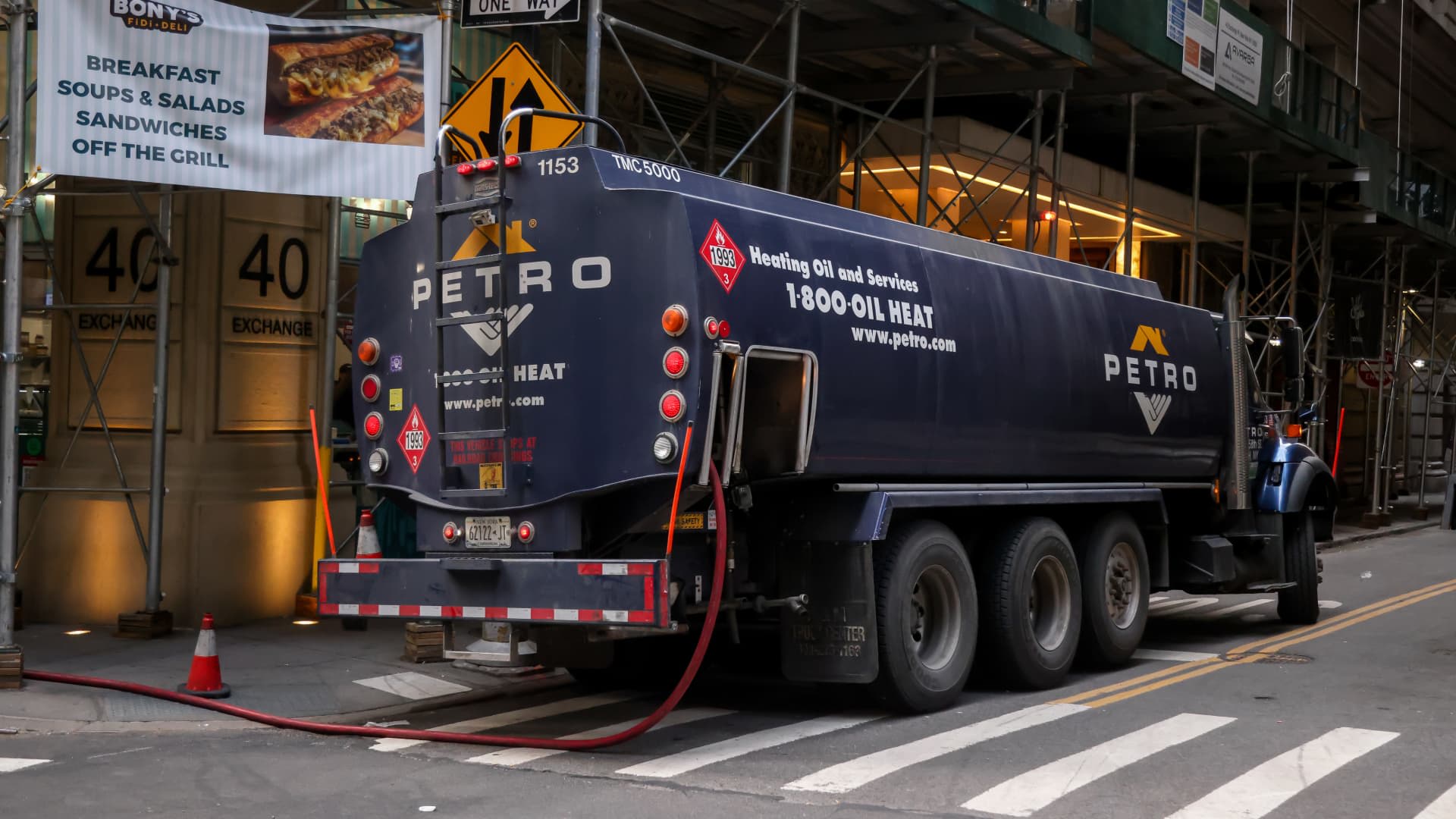
Heating oil prices have surged 59% nationally and 75% in Maine compared to last year, placing severe financial strain on low-income households. Residents are increasingly seeking emergency assistance to manage these record-high fuel costs before the peak of winter.
The Winter Energy Crisis: A Deep Dive into Surging Heating Oil Costs
As the winter season approaches, the U.S. faces a significant energy affordability crisis characterized by a dramatic surge in heating oil prices. According to recent data from the U.S. Energy Information Administration, the national average price for heating oil has climbed to approximately $5.91 per gallon as of November 9. This represents a staggering 59% increase compared to the same period last year, a development that is fundamentally altering the financial landscape for millions of households that rely on this fuel source to survive the freezing temperatures.
The Regional Disparity in Maine
While the national trend is alarming, the impact is felt most acutely in states like Maine, where heating oil is the primary source of warmth for roughly 50% of residences. In Maine, the price per gallon has spiked to approximately $5.83, marking a 75% increase over the previous year. This regional disparity highlights a critical vulnerability in the state's infrastructure, where a lack of alternative heating options leaves residents with little choice but to absorb these exorbitant costs or seek emergency financial aid.
Economic Implications for Households
Persistent inflation has already eroded the purchasing power of many American families, and the sudden volatility in energy markets is exacerbating this stress. For residents in states like Maine, the term "crushing"—as described by industry stakeholders—reflects the reality of households being forced to choose between essential services and home heating. The financial "wiggle room" for many families has effectively disappeared, leading to a surge in demand for emergency assistance programs even before the peak of the winter cold sets in.
Structural Vulnerabilities and Market Dynamics
This price spike is not merely a seasonal fluctuation but a symptom of broader supply chain and market instability. The reliance on heating oil in specific geographic pockets creates a captive market, where price increases are passed directly to the consumer without immediate mitigation strategies. As households look toward the winter months, the inability to manage these costs threatens to increase the prevalence of energy poverty, wherein families must sacrifice other basic needs to keep their homes livable.
Future Outlook and Policy Challenges
Looking ahead, the situation necessitates a robust policy response to address both immediate needs and long-term energy security. While emergency assistance provides a temporary lifeline, the underlying issue of volatile fuel pricing remains unresolved. Experts suggest that without significant structural changes or increased support for energy-efficient retrofitting, the cycle of seasonal "crushing" costs will continue to plague vulnerable households in the coming years, necessitating a reevaluation of energy independence and affordability at the state and federal levels.