Bangladesh garment owners threaten to quit wage talks, shut factories indefinitely
Source Entity
PRISHA PATNAIK
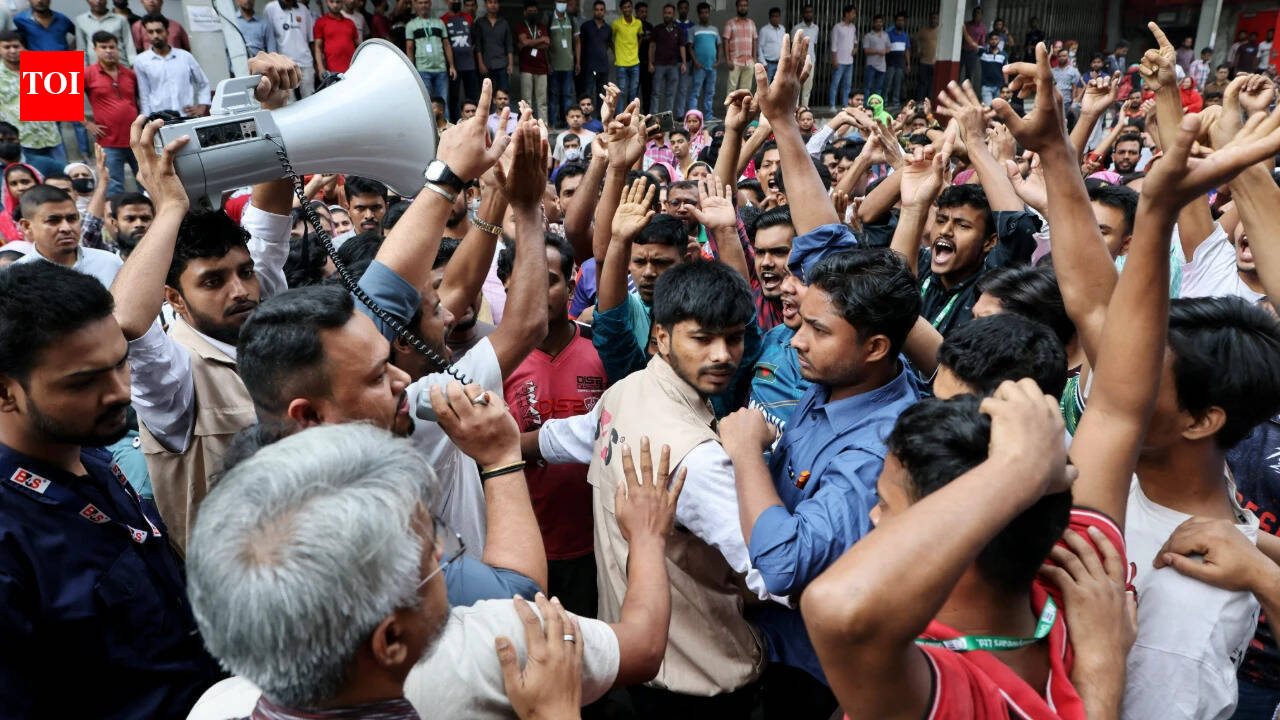
Bangladesh garment industry leaders are threatening to suspend wage negotiations and shutter factories indefinitely due to ongoing worker unrest. The BGMEA and BKMEA cite concerns over security and vandalism as the primary drivers for this potential industrial shutdown.
Industrial Unrest in Bangladesh: Wage Negotiations at a Crossroads
The garment sector in Bangladesh, a cornerstone of the nation’s economy, is currently facing a volatile period of instability. Recent reports indicate that garment manufacturers, represented by the Bangladesh Garment Manufacturers and Exporters Association (BGMEA) and the Bangladesh Knitwear Manufacturers and Exporters Association (BKMEA), have issued a stern warning. They are threatening to withdraw from ongoing minimum wage negotiations and initiate indefinite factory closures if the current trend of industrial vandalism persists.
The Impact of Security Concerns on Wage Talks
At the heart of this conflict is a breakdown in trust between labor forces and factory management. While workers have taken to the streets in areas like Mirpur, Dhaka, to demand higher wages amidst rising costs of living, the situation has escalated into physical confrontations and property damage. The manufacturers argue that the current environment is untenable for business operations. Without clear, actionable assurances regarding the safety of their facilities and the security of their staff, the industry associations claim they cannot continue to participate in formal wage discussions.
Economic Implications for the Ready-Made Garment (RMG) Sector
Bangladesh’s RMG sector is the backbone of the country's export revenue, serving as a critical global supplier for major international fashion brands. Any threat of an indefinite shutdown carries massive economic implications. A stoppage would not only result in significant losses for factory owners but would also disrupt global supply chains, potentially causing international buyers to look elsewhere for manufacturing stability. The fragility of this sector is highlighted by the fact that even temporary closures can lead to long-term reputational damage for the industry.
The Balancing Act: Wages vs. Industrial Peace
The core challenge remains the reconciliation of worker welfare with industrial sustainability. Workers are advocating for higher pay to survive in an increasingly expensive economic climate, while manufacturers are struggling with rising operational costs and the need to remain price-competitive globally. The threat to shut down factories is seen by many as a tactical move to pressure the government and labor unions to restore order, yet it risks alienating the workforce further and deepening the current crisis.
Future Outlook and Necessary Interventions
Looking ahead, the resolution of this conflict requires a tripartite approach involving the government, labor leaders, and industry associations. For the negotiations to resume effectively, a cessation of violence is paramount. If the current impasse continues, the industry risks a prolonged period of stagnation that could hamper Bangladesh's competitive edge in the global market. Stakeholders must prioritize a secure environment to allow for constructive dialogue, ensuring that wage adjustments are sustainable for both the workers' livelihoods and the viability of the factories themselves.