‘Reinstate Jensen’: Elon Musk signs petition in support of Nvidia chief
Source Entity
The Indian Express
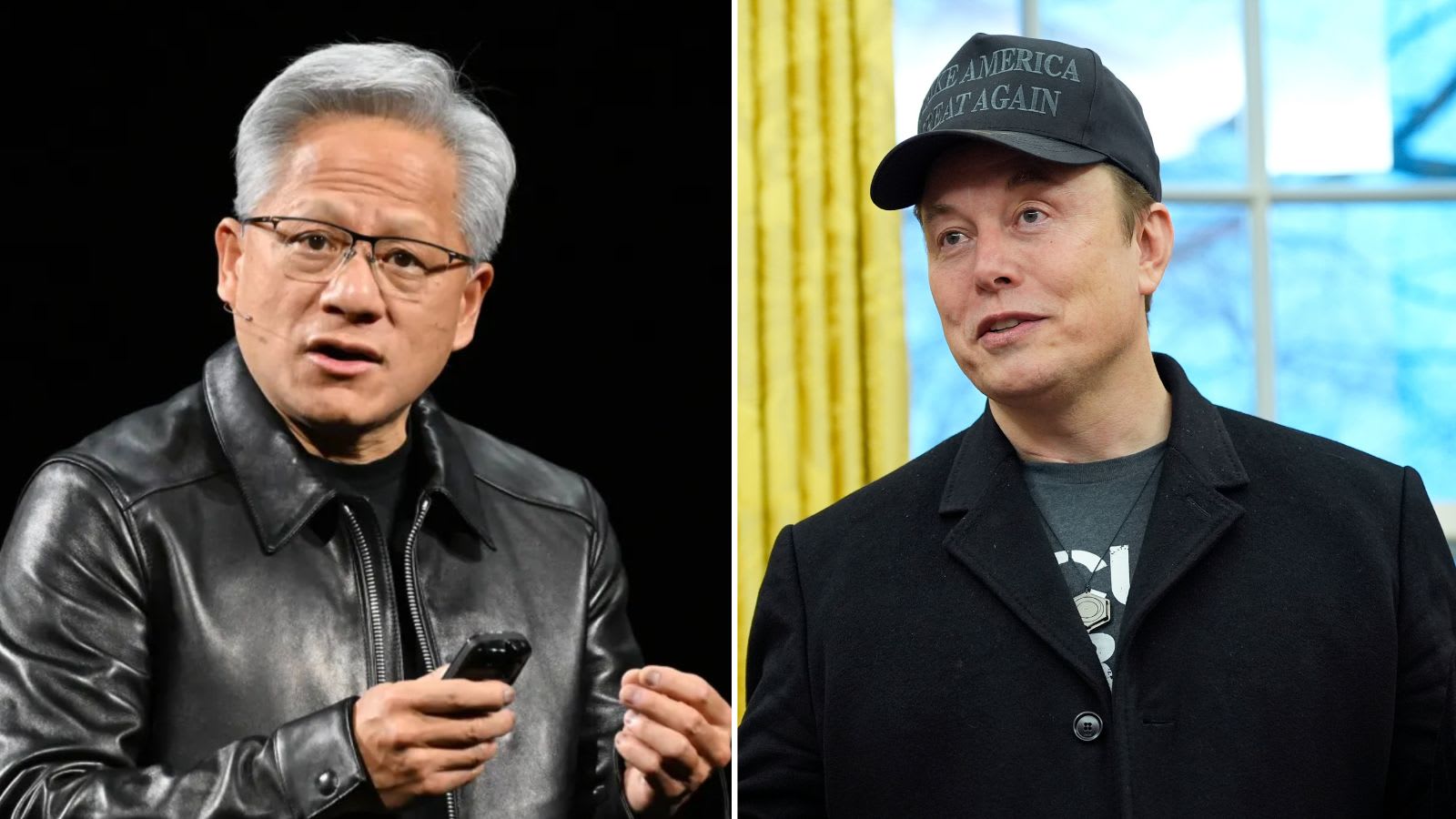
Nvidia CEO Jensen Huang has stepped down following a scandal involving an alleged Chinese spy. Elon Musk has publicly supported a petition for his reinstatement, warning that Nvidia's reliance on Huang's personal relationships threatens critical supply chain deals.
The Unprecedented Exit of a Silicon Valley Icon
The sudden resignation of Jensen Huang, who co-founded Nvidia in 1993, has sent shockwaves through the global semiconductor industry. For over three decades, Huang has been synonymous with the company, steering it from a graphics-focused startup to the backbone of the global artificial intelligence infrastructure. His departure, triggered by a controversy involving an alleged Chinese spy, marks a volatile turning point for one of the most valuable corporations in the world.
The Fragility of Personal Diplomacy
Elon Musk’s recent intervention, where he publicly signed a petition to reinstate Huang, highlights a structural vulnerability in high-end manufacturing: the reliance on personal rapport. Musk argues that many of Nvidia’s most critical supply chain agreements were built on 'handshakes' rather than rigid, written contracts. This suggests that the company’s operational stability was deeply tethered to Huang’s individual credibility and long-standing relationships with Asian semiconductor manufacturers.
Supply Chain Risks and Market Consequences
Nvidia’s current predicament serves as a case study for the risks inherent in 'key-man' leadership models. By operating on a foundation of personal trust, Huang successfully navigated complex global supply chains for years. However, with his exit, the company faces a potential vacuum where suppliers may feel less bound by past verbal commitments. As Musk noted, the loss of these 'critical' deals could severely hamper Nvidia’s production capacity and market dominance in the near term.
The Geopolitical and Corporate Intersection
The involvement of an alleged Chinese spy in the circumstances surrounding Huang’s resignation adds a layer of geopolitical complexity. In an era where semiconductor technology is viewed as a national security asset, the intersection of corporate leadership, personal scandal, and international espionage creates a highly combustible scenario. This situation forces stakeholders to reconsider the security protocols of firms that control the world's most advanced computing hardware.
Future Outlook for the Chipmaker
As Nvidia moves forward, the primary challenge will be institutionalizing the relationships that were previously maintained solely by Huang. Whether the company can transition from a personality-driven entity to a process-driven organization will determine its future trajectory. Investors and industry analysts are now closely watching to see if the board can stabilize the supply chain or if the loss of Huang’s 'brilliant' management style will lead to a sustained loss of competitive advantage in the global market.