NDA-ruled Andhra Pradesh refuses to defend changes to trans rights law in SC; Uttarakhand says law beneficial
Source Entity
India Latest News: Top National Headlines Today & Breaking News | The Hindu
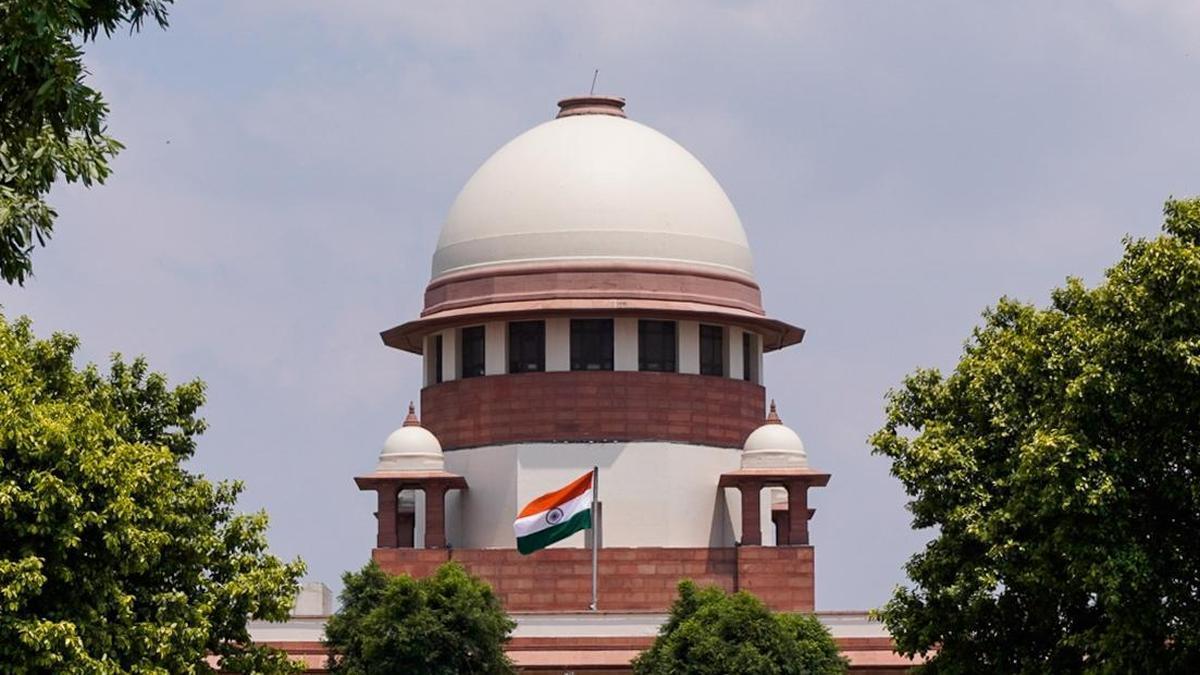
The Andhra Pradesh government has distanced itself from the Centre's 2026 amendments to the Transgender Persons Act in a Supreme Court filing. While Uttarakhand supports the law, Andhra Pradesh argues it had no role in the legislation, leaving the burden of defense to the Union government.
The Legal Tug-of-War Over Transgender Rights
The recent affidavit filed by the NDA-ruled Andhra Pradesh government before the Supreme Court marks a significant shift in the legal discourse surrounding the 2026 amendments to the Transgender Persons (Protection of Rights) Act. By explicitly refusing to defend the Union government’s legislative changes, the state has effectively signaled a departure from the Centre’s stance, placing the onus of justifying these controversial provisions squarely on the Union of India.
The Core of the Contention
At the heart of the dispute are the 2026 amendments that have fundamentally altered the landscape of identity recognition in India. The removal of the “self-perceived gender identity” provision—a cornerstone of previous legal frameworks—has sparked intense national debate. By limiting the definition of a "transgender person" to strictly physiological characteristics, the new law has prompted over a dozen petitions in the Supreme Court, with advocates arguing that these changes strip individuals of their fundamental right to autonomy.
Divergent State Perspectives
The legal landscape is further complicated by the varying responses from state governments. While Andhra Pradesh has chosen to adopt a neutral stance by claiming no role in the enactment of the law, other states like Uttarakhand have taken the opposite path, actively characterizing the law as beneficial. This dichotomy highlights a growing federal tension, where the implementation of central laws is increasingly subject to the varying political and social priorities of individual states.
Constitutional and Ethical Implications
The Supreme Court now faces the complex task of determining whether the 2026 amendments infringe upon the constitutional rights of transgender individuals. The Andhra Pradesh government’s assertion that the law’s constitutional validity is “primarily a matter for the Union of India” suggests a desire to avoid the political fallout of the protests that have erupted across the country. This stance reflects a broader trend of states attempting to navigate between central mandates and the rights-based demands of their local populations.
Future Trends and Judicial Oversight
As the Supreme Court continues to hear these petitions, the outcome will likely set a precedent for how gender identity is defined and protected under Indian law. The refusal of a major state government to defend the Centre’s policy suggests that the legal battle will be protracted and deeply contentious. Future trends indicate that the judiciary will need to carefully balance the legislative prerogative of the Union with the fundamental rights of marginalized communities, potentially forcing a revisit of the current definitions of physiological versus self-perceived identity.
Conclusion
The situation remains fluid as the judiciary weighs the implications of the 2026 amendments. By distancing itself from the defense of the law, Andhra Pradesh has highlighted the fragility of the current legal framework. The upcoming Supreme Court deliberations will serve as a critical turning point in the ongoing struggle for transgender rights in India, determining whether the current legislative trajectory remains sustainable in the face of widespread legal and social opposition.
Verification Required?