Burnham finalising cabinet ahead of becoming PM on Monday
Source Entity
BBC News
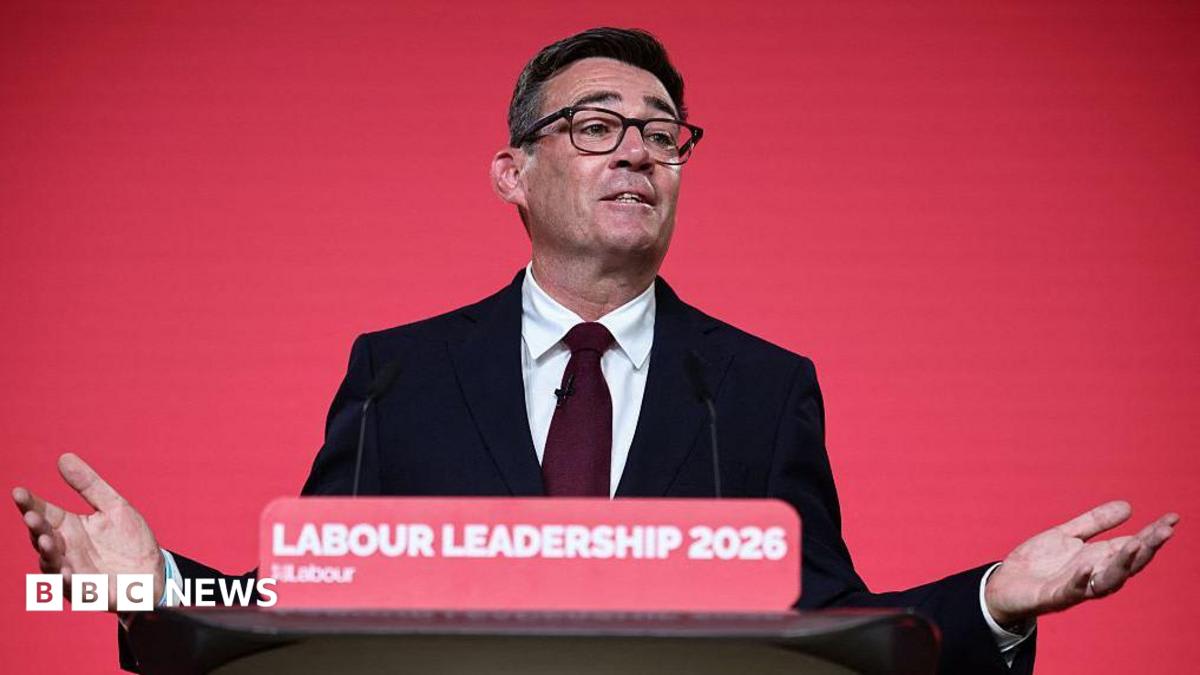
Andy Burnham is set to become the next Prime Minister on Monday, promising the most significant political shift in 40 years. While he enjoys broad support from Labour MPs and trade unions, he faces immediate scrutiny regarding his mandate and policy execution.
A New Era: Andy Burnham’s Rise to Power
Andy Burnham is poised to ascend to the office of Prime Minister this coming Monday, marking a pivotal transition for the Labour Party. His emergence as the sole leadership candidate—confirmed by the backing of 379 Labour MPs and all 11 affiliated trade unions—reflects a rapid consolidation of power within the party ranks. Following the resignation of Sir Keir Starmer, the transition process was remarkably swift, effectively bypassing a prolonged leadership contest and allowing Burnham to immediately pivot toward the machinery of government.
The Mandate Controversy and Political Opposition
Despite his strong internal support, Burnham’s path to Downing Street is not without friction. Reform UK leader Nigel Farage has publicly challenged the legitimacy of the transition, arguing that Burnham lacks a formal electoral mandate and calling for an immediate general election. This critique highlights a potential vulnerability for the incoming administration, as the transition relies on internal party consensus rather than a direct public vote, setting the stage for a tense relationship with opposition parties from day one.
Collaborative Governance and Policy Priorities
In contrast to the hostility from Reform UK, Liberal Democrat leader Sir Ed Davey has expressed a willingness to engage, signaling an openness to Burnham’s call for a more collaborative approach to governance. The Liberal Democrats have already outlined key areas for potential cooperation, specifically citing the need for systemic reform in the water industry, increased support for the NHS, and expanded assistance for family caregivers within the social care sector. These early overtures suggest that Burnham’s administration may seek to build cross-party coalitions to address urgent domestic issues.
The 'Blitz' Strategy: Hitting the Ground Running
Burnham’s team is reportedly operating under a sense of urgency, having held extensive access talks with the civil service to finalize plans for government. Reports indicate a 'policy blitz' is imminent, with a series of high-profile appearances and announcements scheduled for his first days and weeks. This strategy is clearly designed to project stability and decisiveness, aiming to demonstrate that the party is no longer in a state of flux but is prepared to govern with a clear, aggressive agenda.
Ambitions and the Question of Delivery
Burnham has set the bar exceptionally high, promising the most significant change in British politics in four decades. While he has expressed a desire to fundamentally alter the culture of the Labour Party, analysts remain cautious about the practical implementation of such a broad vision. Having returned to Parliament only a month ago via a by-election, Burnham faces the immense challenge of translating his long-held political aspirations into concrete legislative outcomes, leaving observers to question how he will reconcile his grand rhetoric with the day-to-day realities of governing.
Conclusion
As the transition concludes, the focus shifts to the incoming Prime Minister’s ability to maintain party unity while addressing the skepticism of his political rivals. By securing the backing of trade unions and the parliamentary party, Burnham has achieved the first step of his mission, but the true test begins on Monday. Whether he can sustain this momentum and deliver the transformative change he has promised remains the central question of this new political chapter.
Multiple Citing Sources