‘Still old school, believe in protocol’, says Manish Tewari on buzz around interaction with Modi
Source Entity
India Latest News: Top National Headlines Today & Breaking News | The Hindu
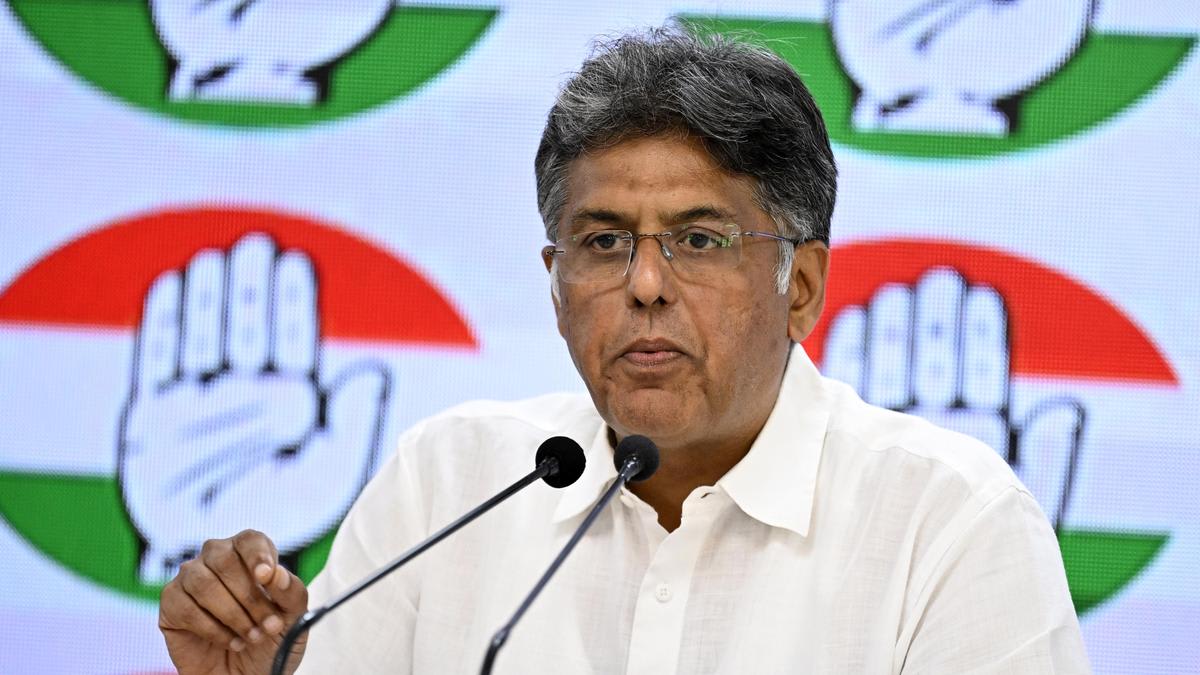
Congress MP Manish Tewari has defended his interaction with Prime Minister Narendra Modi in Chandigarh, citing adherence to protocol and development priorities. The brief encounter occurred during an event where the PM inaugurated development projects worth over ₹4,700 crore.
Bridging the Partisan Divide: An Analysis of the Chandigarh Interaction
The Context of the Encounter
On July 18, 2026, a brief but significant interaction between Congress MP Manish Tewari and Prime Minister Narendra Modi in Chandigarh sparked considerable social media discourse. The encounter took place following an official function at the Punjab Engineering College, where the Prime Minister presided over the inauguration and foundation-laying ceremonies for various infrastructure projects. The event served as a formal state visit, highlighting the intersection of federal governance and local parliamentary representation.
Prioritizing Development Over Partisanship
In response to the public curiosity surrounding the meeting, Manish Tewari emphasized his commitment to "old school" political values. He asserted that his engagement with the Prime Minister was rooted in the necessity of respecting official protocols and the broader imperative of placing development above partisan considerations. This stance reflects a traditional approach to Indian parliamentary democracy, where representatives are expected to engage with the executive branch to facilitate regional progress, regardless of ideological differences.
The Scope of Regional Development
At the heart of the event was a substantial investment in Chandigarh’s future, with projects valued at over ₹4,700 crore. These initiatives span critical sectors, including healthcare, education, and road infrastructure. By participating in the event, Tewari underscored the role of a local MP in ensuring that federal initiatives are successfully integrated into the constituency's growth roadmap, reinforcing the idea that infrastructure development is a collective national effort.
Protocol and Political Maturity
The focus on "protocol" in Tewari’s statement suggests a deliberate effort to depoliticize a routine administrative interaction. In an era where social media often amplifies political polarization, such gestures of institutional courtesy are frequently scrutinized. Tewari’s defense serves as a reminder that the continuity of state functions relies on the ability of opposition leaders to maintain professional rapport with the government, ensuring that the legislative and executive branches remain functional.
Future Implications for Cooperation
This incident highlights a growing trend where elected officials are increasingly required to balance party loyalty with the demands of constituency development. As India continues to focus on large-scale infrastructure projects, the necessity for seamless coordination between central leadership and local representatives becomes paramount. Tewari’s actions may set a precedent for how opposition members navigate the fine line between political dissent and the pragmatism required to secure regional benefits.
Conclusion
Ultimately, the interaction in Chandigarh underscores the enduring importance of decorum and professional alignment in governance. By prioritizing the ₹4,700 crore development portfolio over partisan noise, Manish Tewari has reaffirmed the value of institutional protocol. This narrative highlights the essential, albeit sometimes overlooked, synergy required between political rivals to achieve tangible results for the public good.
Verification Required?