Can Andy Burnham solve the UK's housing crisis?
Source Entity
BBC News
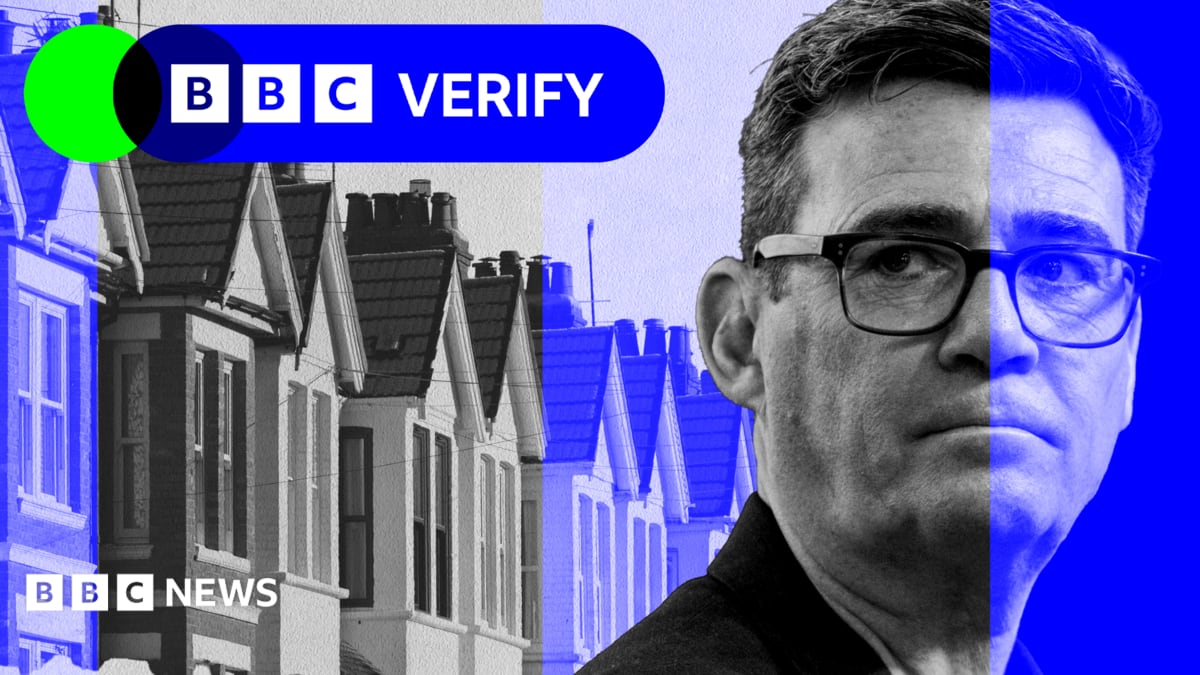
An analysis of the systemic challenges surrounding the UK housing crisis and the potential for Andy Burnham to address these issues should he ascend to the role of Prime Minister, as explored by BBC Verify.
The Housing Conundrum: Analyzing Andy Burnham's Potential Path to Reform
The United Kingdom is currently grappling with one of the most protracted and complex housing crises in its modern history. The discourse surrounding whether Andy Burnham, the current Mayor of Greater Manchester, could solve this crisis upon becoming Prime Minister highlights a critical intersection between local governance success and national policy implementation. The BBC Verify investigation into this matter underscores the sheer magnitude of the challenge, which involves not just a lack of physical structures, but a systemic failure in affordability, planning laws, and social equity.
The Scale of the National Housing Deficit
To understand the challenge facing any prospective Prime Minister, one must first acknowledge the depth of the UK's housing shortage. For decades, the rate of home construction has failed to keep pace with population growth and changing household demographics. This has led to a surge in property prices and rental costs that far outstrip wage growth, creating a 'generation rent' that is effectively locked out of homeownership. The BBC Verify analysis suggests that the scale of this deficit is not merely a numbers game but a structural failure that affects economic mobility and public health across the country.
From the 'Manchester Model' to National Strategy
Andy Burnham's tenure as Mayor of Greater Manchester provides a blueprint—and a cautionary tale—for national application. By utilizing devolved powers, Burnham has attempted to integrate housing with transport and employment strategies. However, translating a regional approach to a national scale involves navigating a far more complex web of stakeholders. A national strategy would require moving beyond the 'Manchester Model' to address the diverse needs of the South East, the Midlands, and the North, ensuring that the drive for quantity does not sacrifice the quality or sustainability of new builds.
Overcoming Systemic Barriers and NIMBYism
Any Prime Minister attempting to solve the housing crisis must confront the formidable barrier of the UK's planning system. The tension between the urgent need for new homes and the 'Not In My Backyard' (NIMBY) sentiment prevalent in many affluent communities creates a political minefield. Burnham would need to balance the aggressive pursuit of housing targets with the necessity of community consent and environmental protections. The challenge lies in whether a leader can implement a streamlined planning process that reduces bureaucratic delays without alienating the electorate or destroying the UK's green belt.
The Economic and Social Implications of Failure
Failure to resolve the housing crisis carries profound implications for the UK's broader economic stability. When a significant portion of household income is diverted toward rent or mortgages, consumer spending in other sectors drops, stifling local economies. Furthermore, the lack of affordable social housing exacerbates homelessness and puts undue pressure on the NHS and social services. For Burnham, the housing portfolio would not be a standalone issue but a central pillar of a wider social justice and economic recovery agenda.
Conclusion: A Steep Climb to Stability
In summary, while the prospect of Andy Burnham applying his executive experience to the national housing crisis is an intriguing political narrative, the hurdles are immense. The BBC Verify report correctly identifies that the 'scale of the challenge' is the defining factor. Solving the crisis would require more than just political will; it would necessitate a fundamental overhaul of land use, a massive increase in public investment, and a shift in the cultural approach to urban development. Whether any single leader can 'solve' this crisis remains an open question, but the analysis confirms that housing will be the primary litmus test for any future administration.